Partnerships for Energy Innovation: How Stavanger is Reusing Waste Heat
September 18 - 2025
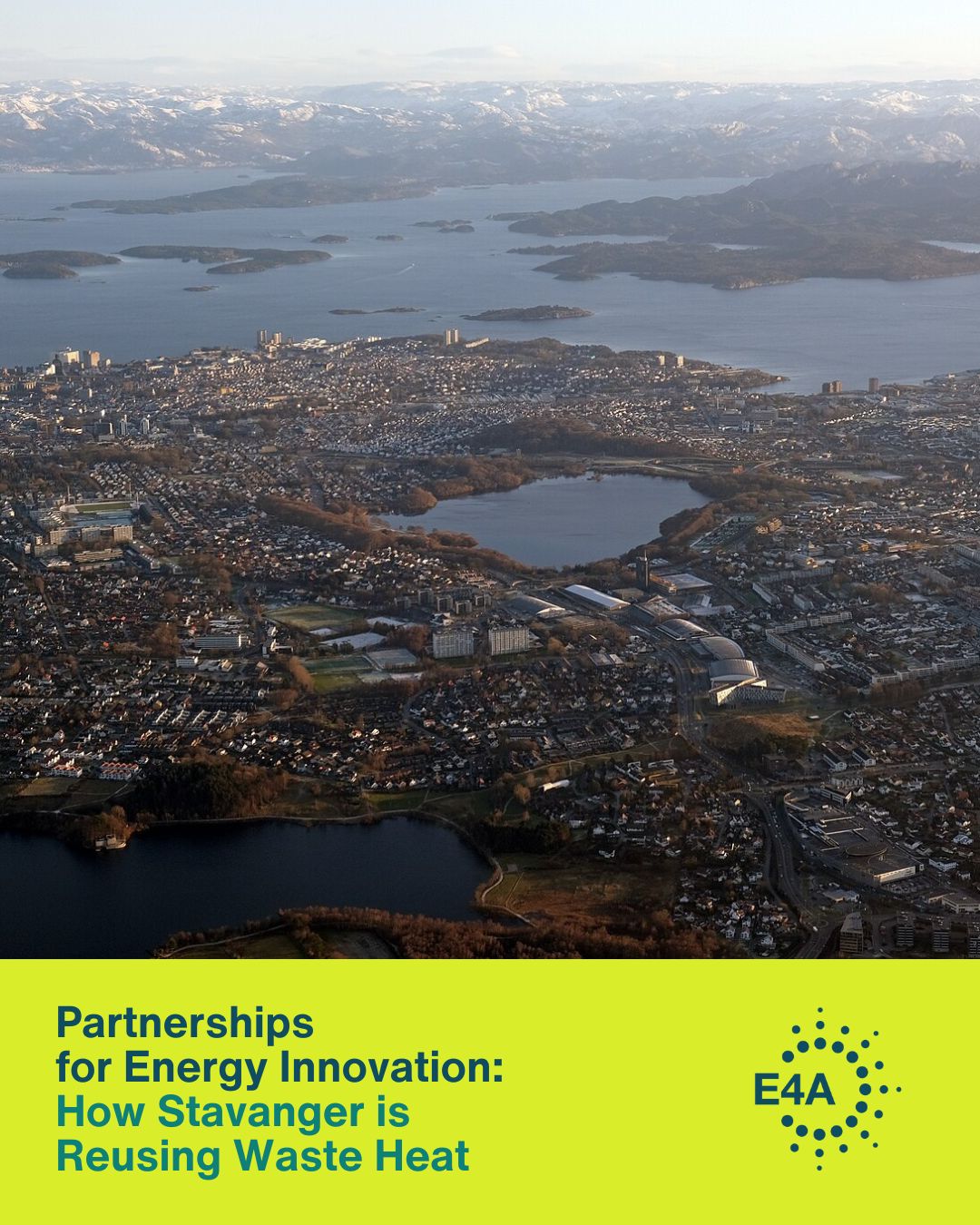
In Stavanger’s Hillevåg district, industries such as Felleskjøpet, a feed producer, and Skretting, a fish feed manufacturer, generate more heat than they can use. Today, much of this surplus is wasted, even though it could be redirected into the city’s district heating system. Capturing and distributing this heat would reduce emissions, improve efficiency, and create benefits for households, industry, and the environment. The concept is technically straightforward, but the path to implementation reveals deeper regulatory, financial, and institutional barriers that reflect broader challenges in the energy transition.
The first barrier is regulation. Current Norwegian rules prevent companies like Felleskjøpet from directly providing or selling excess heat. Only Lyse, the utility company with monopoly rights in Hillevåg, is authorized to operate the heating network. As a result, integrating industrial surplus into district heating depends on Lyse taking a more proactive role, not merely a willingness to act. Without regulatory reform, valuable resources remain underused. Clearer policies, such as guidelines for integrating circular energy sources, standardized frameworks for excess heat, and provisions for wastewater reuse, could enable smoother cooperation and reduce the institutional bottleneck.
The second barrier concerns financial and investment risks. Industries such as Skretting operate with low profit margins and face high upfront costs for heat recovery equipment. Even when long-term savings are recognized, the immediate financial burden can be prohibitive. Lyse also faces significant risks. Building infrastructure like hot water reservoirs requires heavy capital investment and long-term certainty, but industrial partners may change strategy or even shut down before projects can deliver a return. This raises the prospect of stranded assets, where costly infrastructure becomes unusable. Managing these risks is essential, but difficult when stakeholders have different investment horizons and priorities. Supportive financial mechanisms such as subsidies for early adopters, risk-sharing agreements, and financing models that spread costs over time could reduce exposure for both utilities and industries while enabling smaller companies to participate.
Risk also extends beyond finances to questions of reliability and trust. Felleskjøpet and Skretting are not energy providers and cannot guarantee stable heat supply over decades. For Lyse, which must plan infrastructure with long lifespans, this creates uncertainty. From the industries’ perspective, their priority is producing feed, not supplying energy, so long-term contractual commitments feel risky. This asymmetry makes cooperation fragile. Overcoming it requires transparent dialogue, clear allocation of responsibilities, and municipal involvement to balance power between industries and utilities. Trust-building is not an abstract goal but a practical necessity for reducing risk and enabling joint decision-making.
Despite these challenges, progress is visible. Felleskjøpet has invested in a biomass boiler that produces renewable energy and has signed an agreement to supply part of it to Lyse. This demonstrates that cooperation is possible when incentives align. Shared investment projects, platforms for knowledge exchange, and collaborative governance mechanisms could build on this progress and provide models for scaling up.
Municipal leadership will be decisive. Local governments can set clear guidelines, integrate industrial waste heat into district energy strategies, and provide financial support to reduce uncertainty. Strong political commitment is also essential for managing risk collectively rather than leaving it with individual companies. By embedding waste heat recovery into broader decarbonization and circular economy policies, municipalities can ensure that responsibilities and benefits are distributed more fairly.
The case of Hillevåg highlights a global reality. Technologies to capture and reuse industrial waste heat already exist, but regulatory loopholes, investment risks, and fragile trust often stand in the way of implementation. The lesson is that the energy transition is not only a technological project but also an institutional one. It requires partnerships, risk-sharing, and municipal commitment to bring diverse stakeholders together. Stavanger shows that what is now wasted can become a cornerstone of sustainable urban energy, provided that the right policies, financial mechanisms, and trust-building measures are in place.
This post is based on a manuscript in review.
See the other article
October 28 - 2026
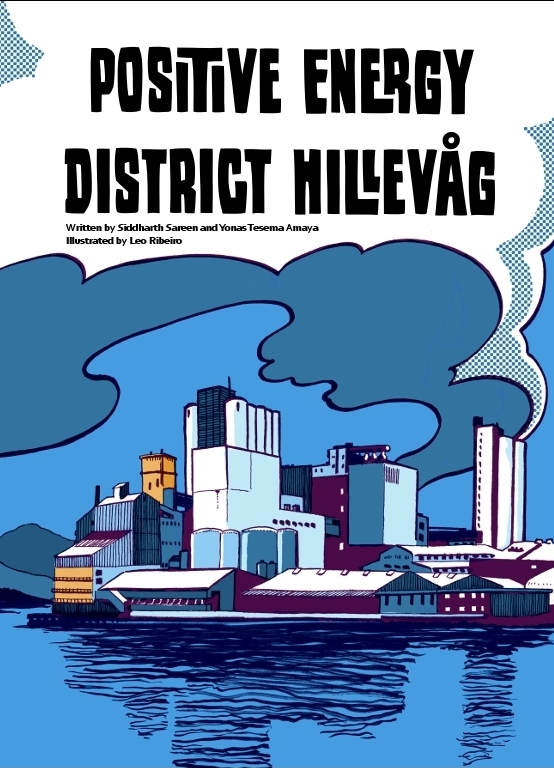
ENERGY4ALL? Public talks and panel discussion on Positive Energy Districts in Stavanger and Europe!
The ENERGY4ALL project hosts European partners for a consortium meeting to close three years of successful collaborative research and innovation on Positive Energy Districts, or PEDs. Across Norway, Austria, Italy and Hungary, we have piloted and researched PEDs as part of growing momentum for renewable energy communities in European cities and neighbourhoods.
October 28 - 2026
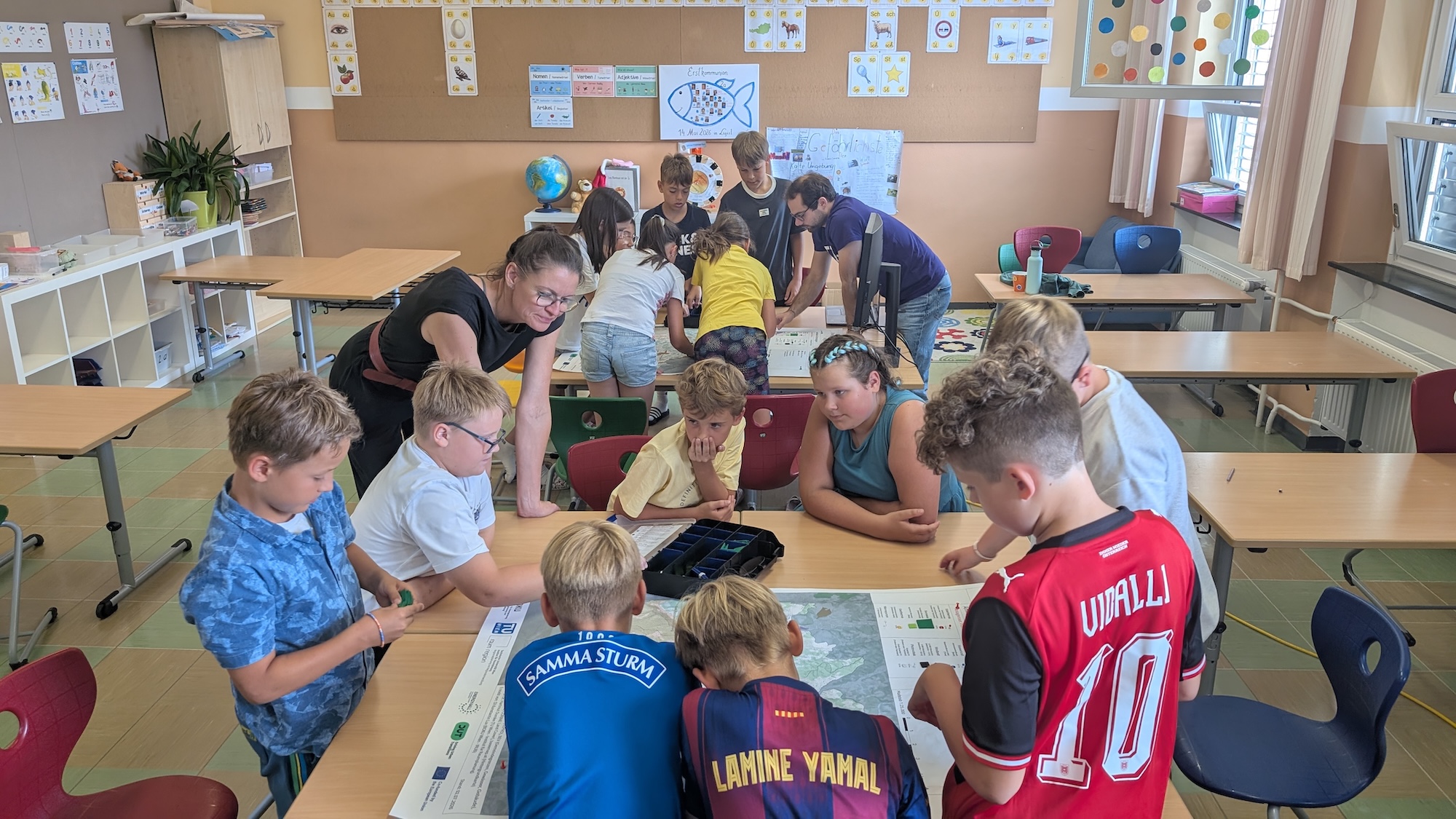
Understanding the Energy Transition: A Playful Approach to Expanding Renewable Energy
This article describes a playful approach to getting familiar with different renewable energy technologies, the selection of suitable or possible sites, and the energy demand of Austrian municipaliti
October 21 - 2026
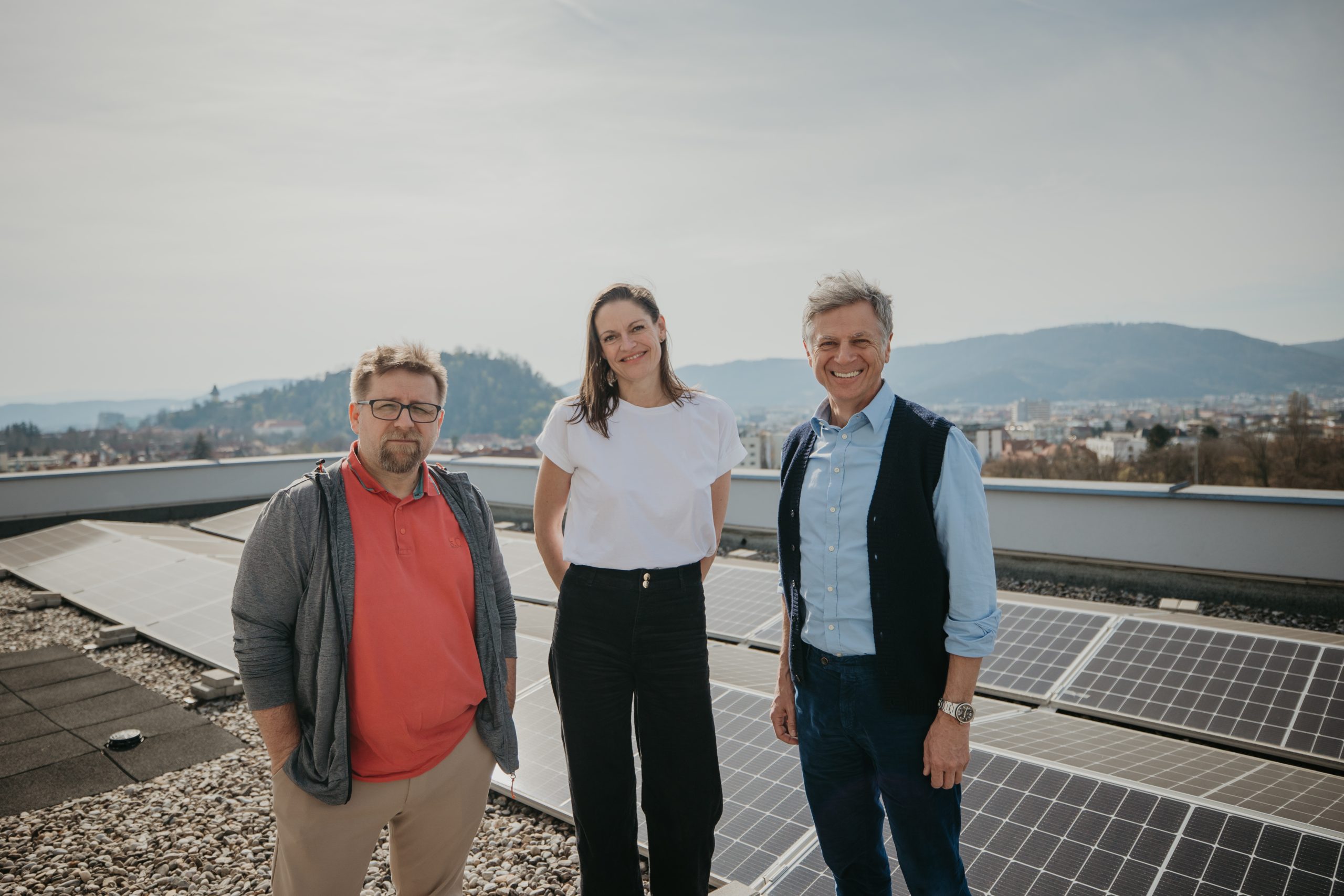
What It’s Like Working with Energy Communities in Austria: An Insider’s View with Cornelia Desimini
Cornelia Desimini, deputy chair of EEG Verbund Lipizzanerheimat, explains how Austrian energy communities keep money in the region, and why their biggest challenge is finding enough consumers and a more diverse membership.
October 9 - 2026
4th Energy Community Conference, Community Energy: New Opportunities?
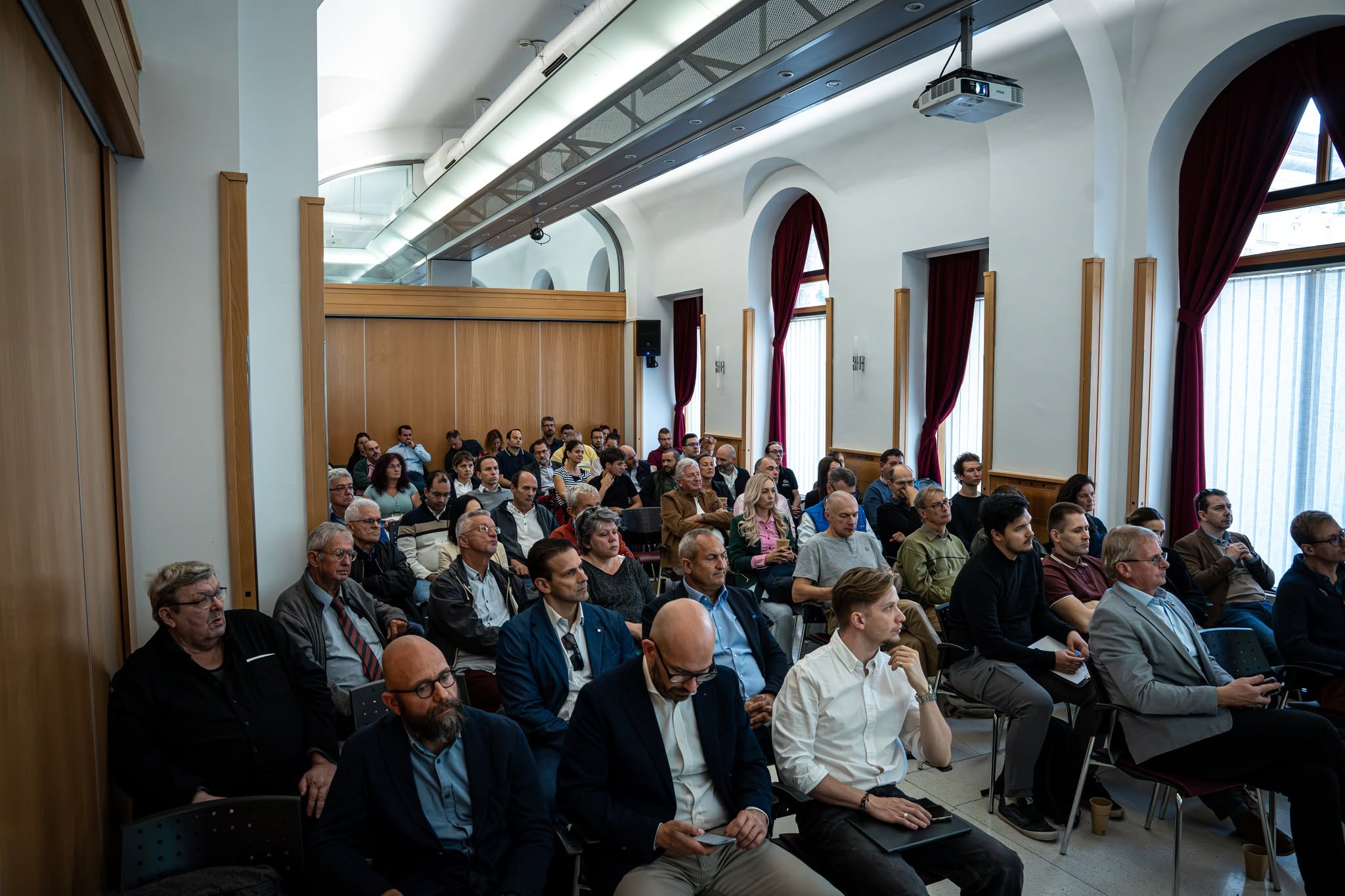
On 7 October, our Energy4All partner, the Centre for Solidarity Economy (SZGK), co-organised the 4th Energy Community Conference, Community Energy: New Opportunities?, together with Transzformátor and the Hungarian Federation of Energy Communities.
September 14 - 2026
New policy article
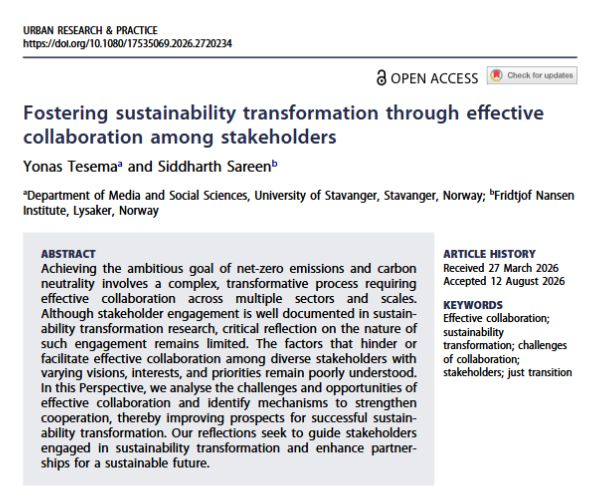
Fostering sustainability transformation through effective collaboration among stakeholders” explores how collaboration among stakeholders can support sustainability transformation, and what factors enable or hinder effective collaboration and collective action.
July 22 - 2026
The Energy Transition Game empowers kids for a sustainable future – Workshops by BOKU & Austrian ECs schools
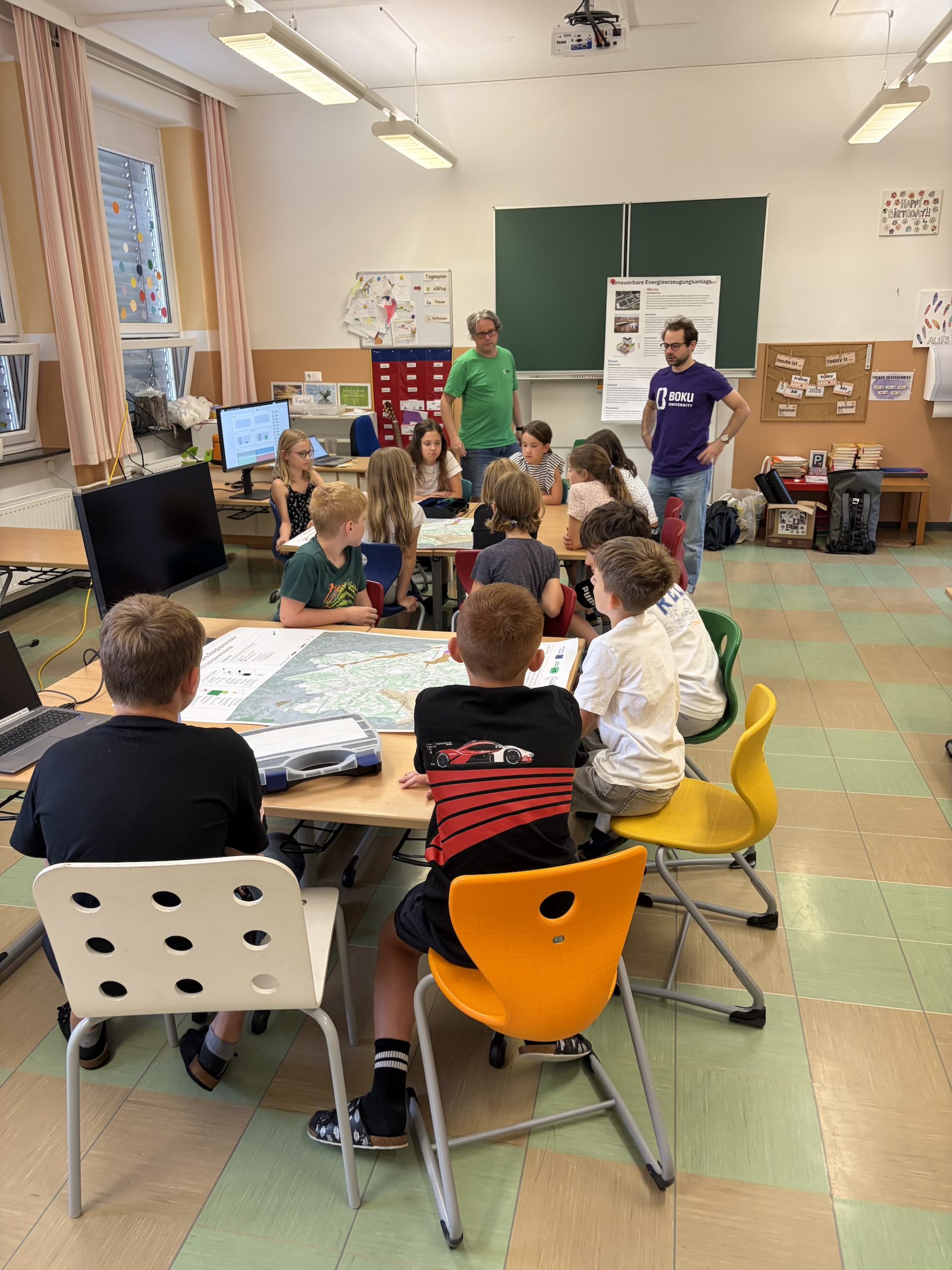
The "Energy Transition Game" transformed the elementary school in Ligist, Styria, into a renewable energy hotspot through workshops developed by BOKU University as part of Energy4all, focusing on knowledge transfer, raising awareness and community building among children, teachers and parents.



Share on