Two days in Stavanger: the Energy4All final consortium meeting
November 16 - 2026
Day 1: From research to the factory floor
Opening and the Energy Transition Game
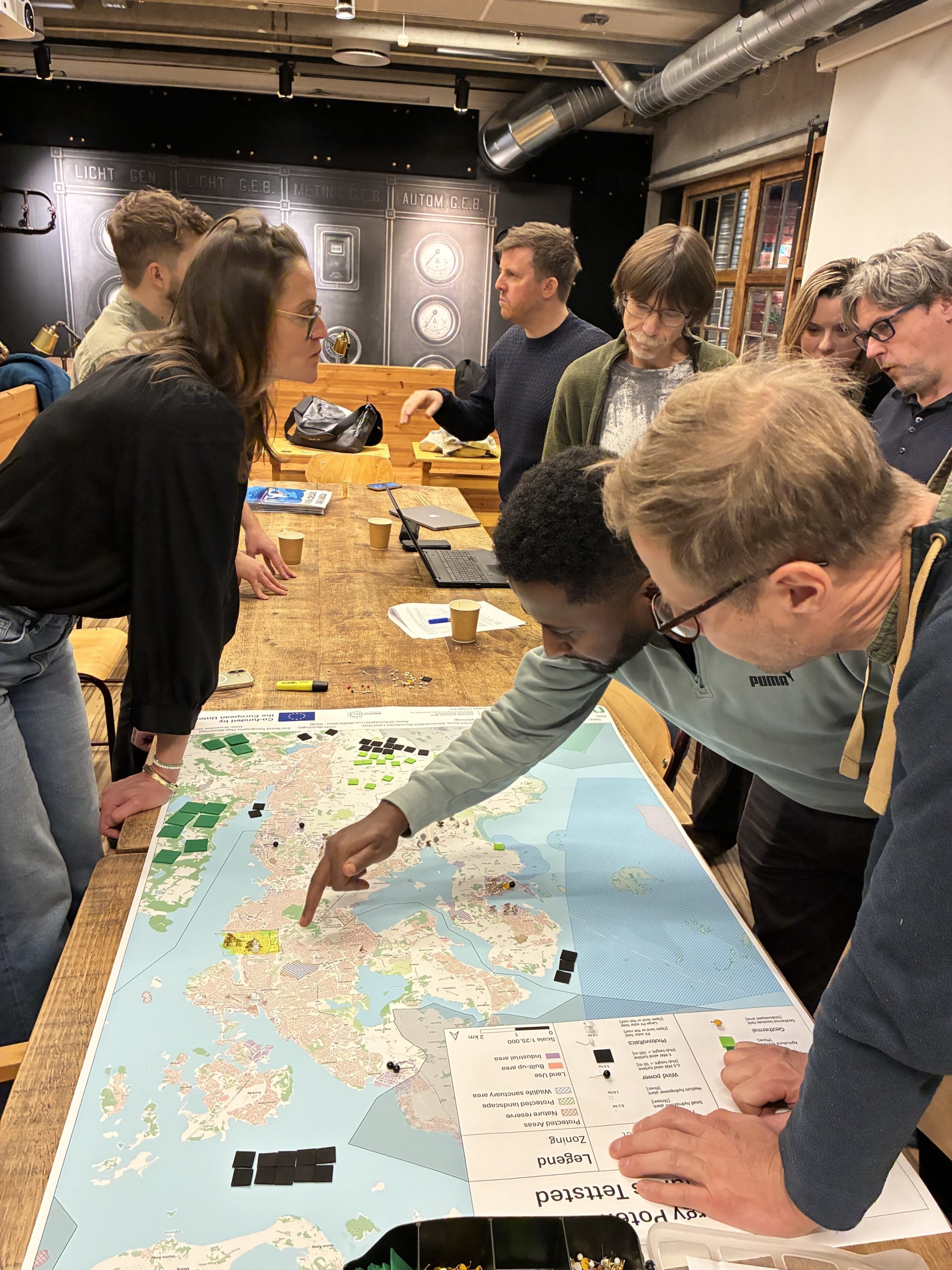
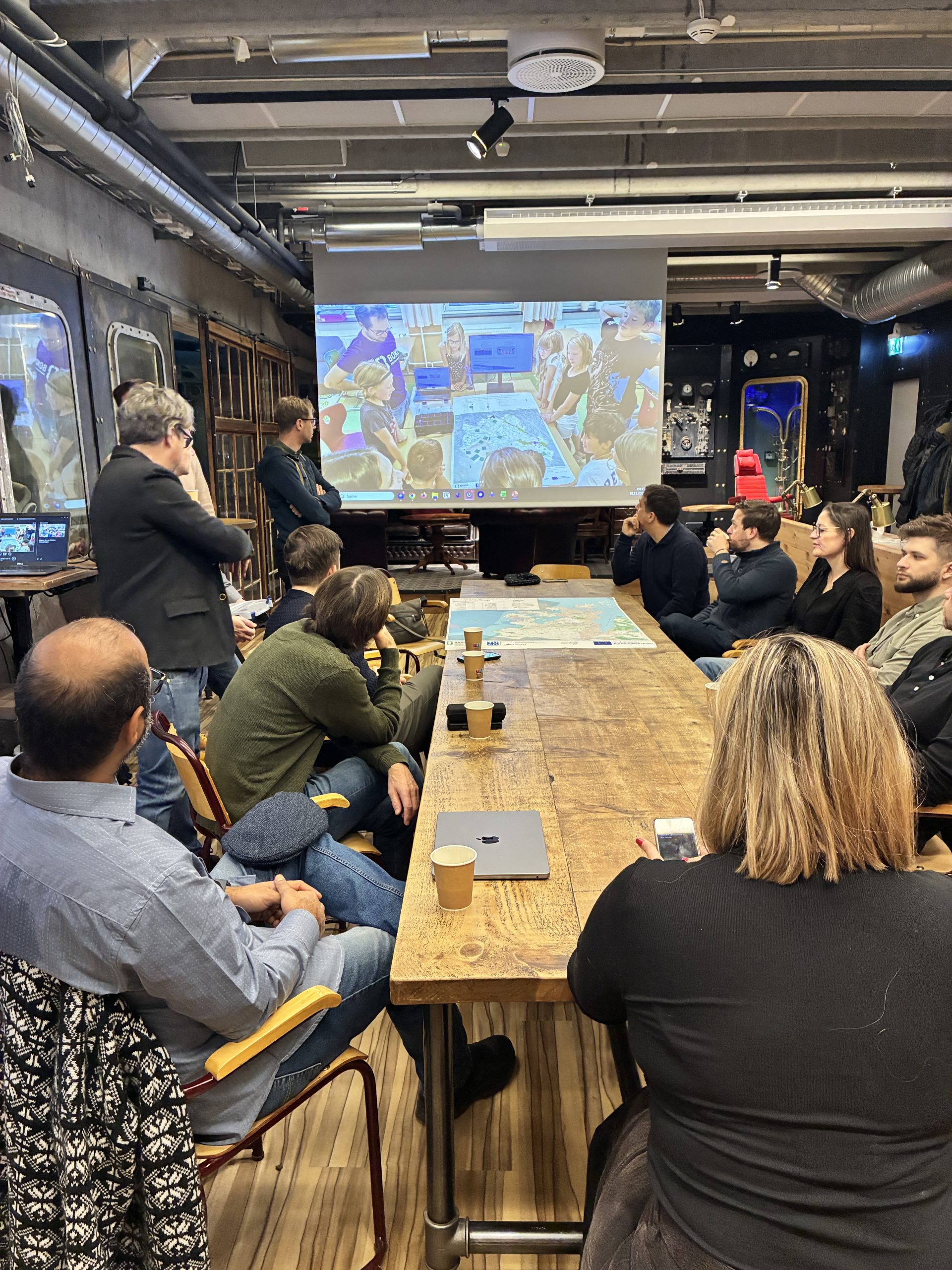
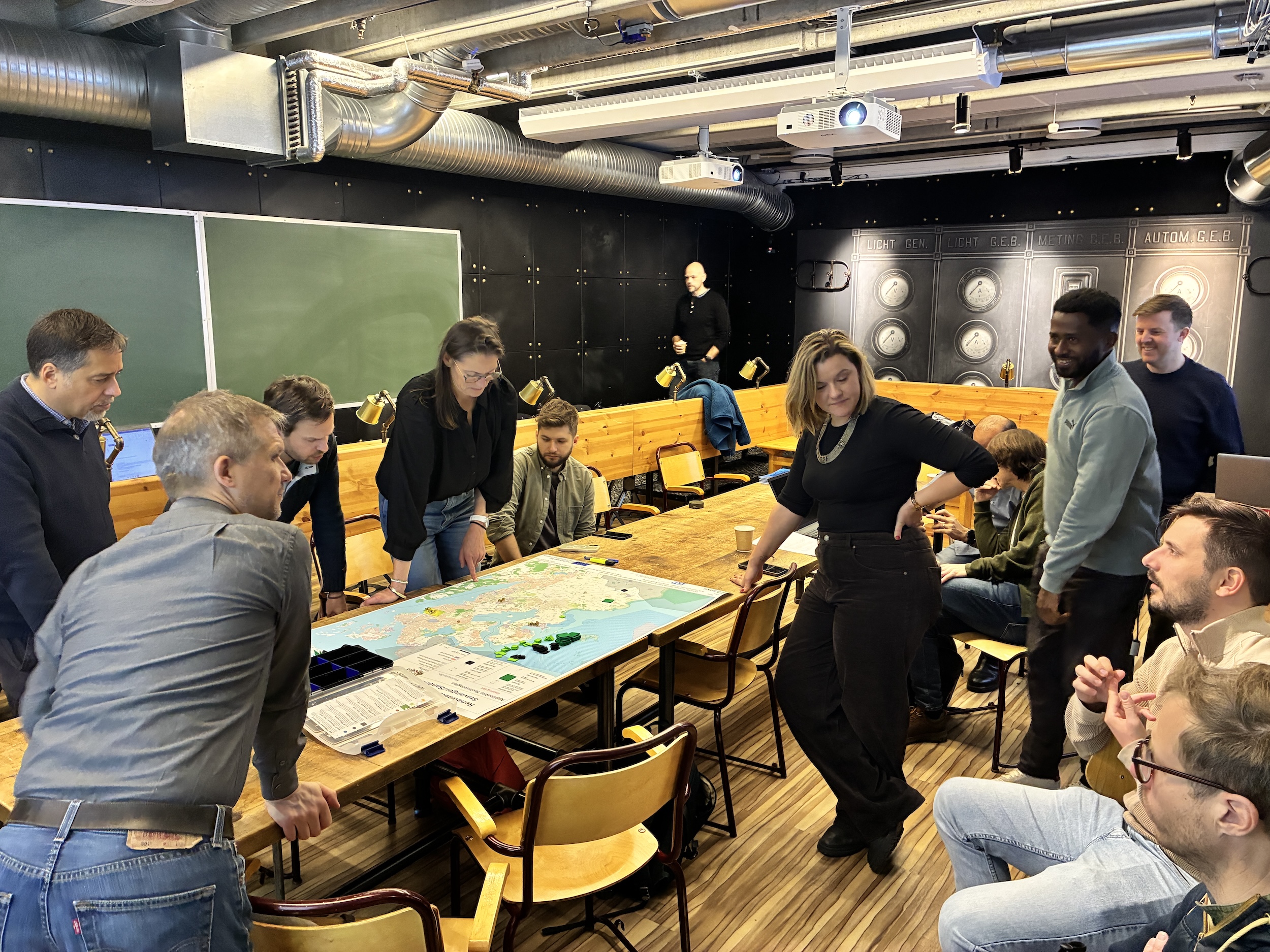
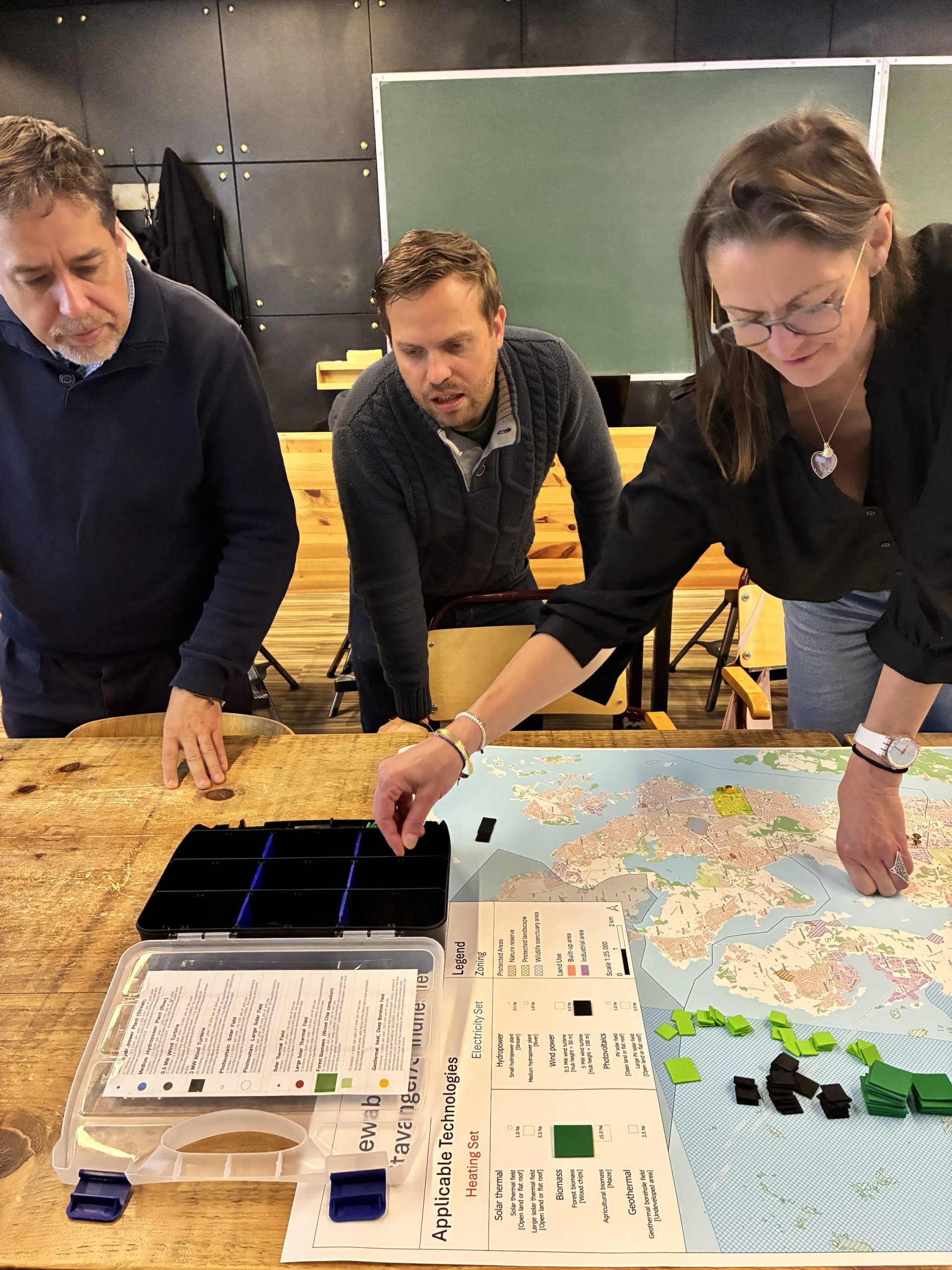
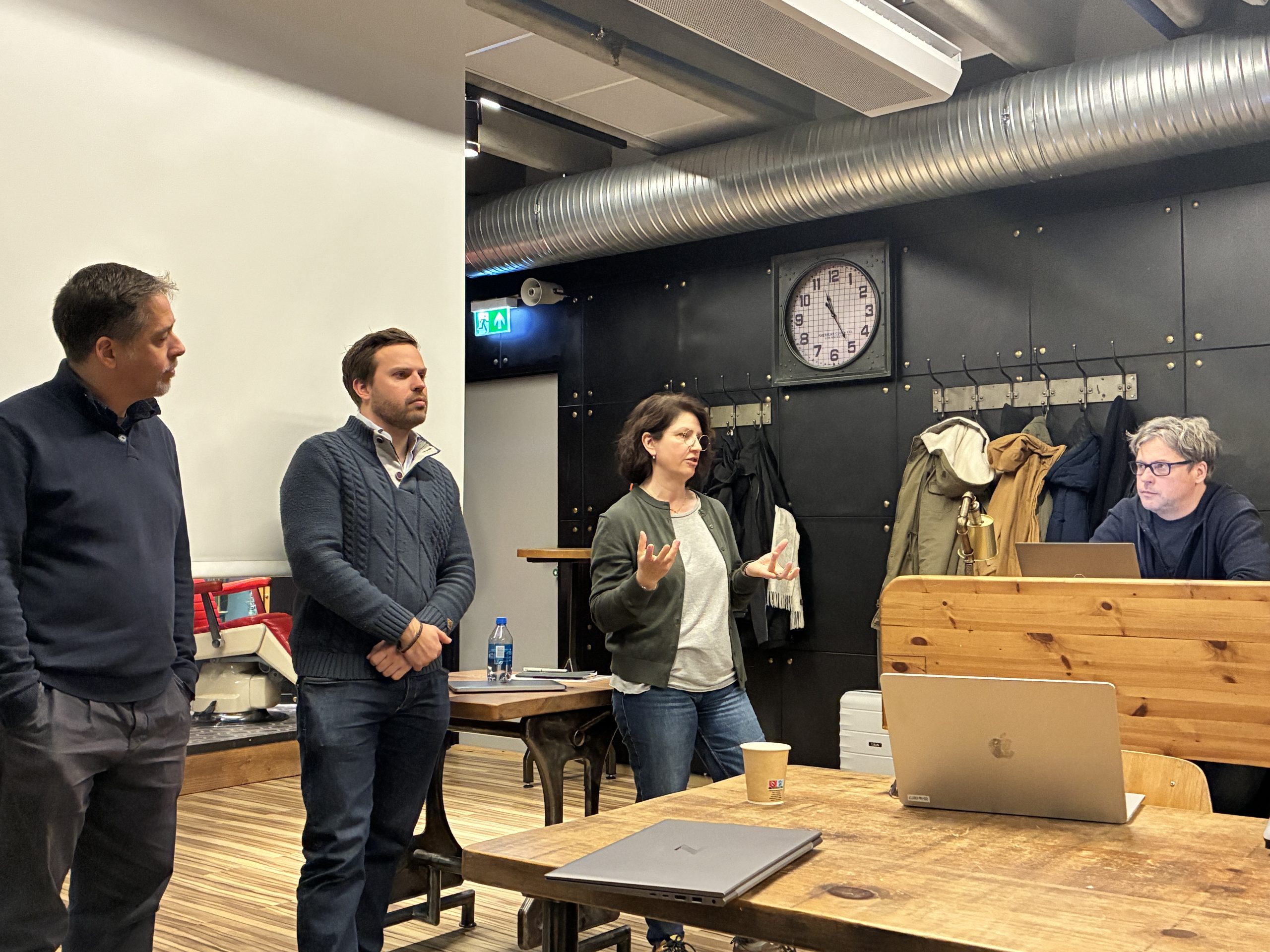
The consortium kicked off its internal meeting at the University of Stavanger‘s Datalab. BOKU University (Stefan Geier and Raffael Koscher) brought the Energy Transition Game, built on Hartmut Dumke’s concept (TU Wien). When partners marked the Hillevåg pilot area on the map, the session highlighted three planning realities: monthly variations that expose seasonal mismatches between generation and demand, the winter heat gap that makes heat networks the next frontier, and the land-use footprint that renewables require.
Project achievements and micro-analysis
Partners then took stock of what Energy4All has achieved. Eutropian previewed the upcoming E4A Toolbox, the University of Stavanger shared its scientific contributions from PED Hillevåg, and the Stavanger partners gave the consortium a first look at the new PED Hillevåg comic book. ABUD closed the morning with the outcomes of its micro-analysis of the pilot sites in Hungary.
Industrial site visits: Felleskjøpet and Skretting
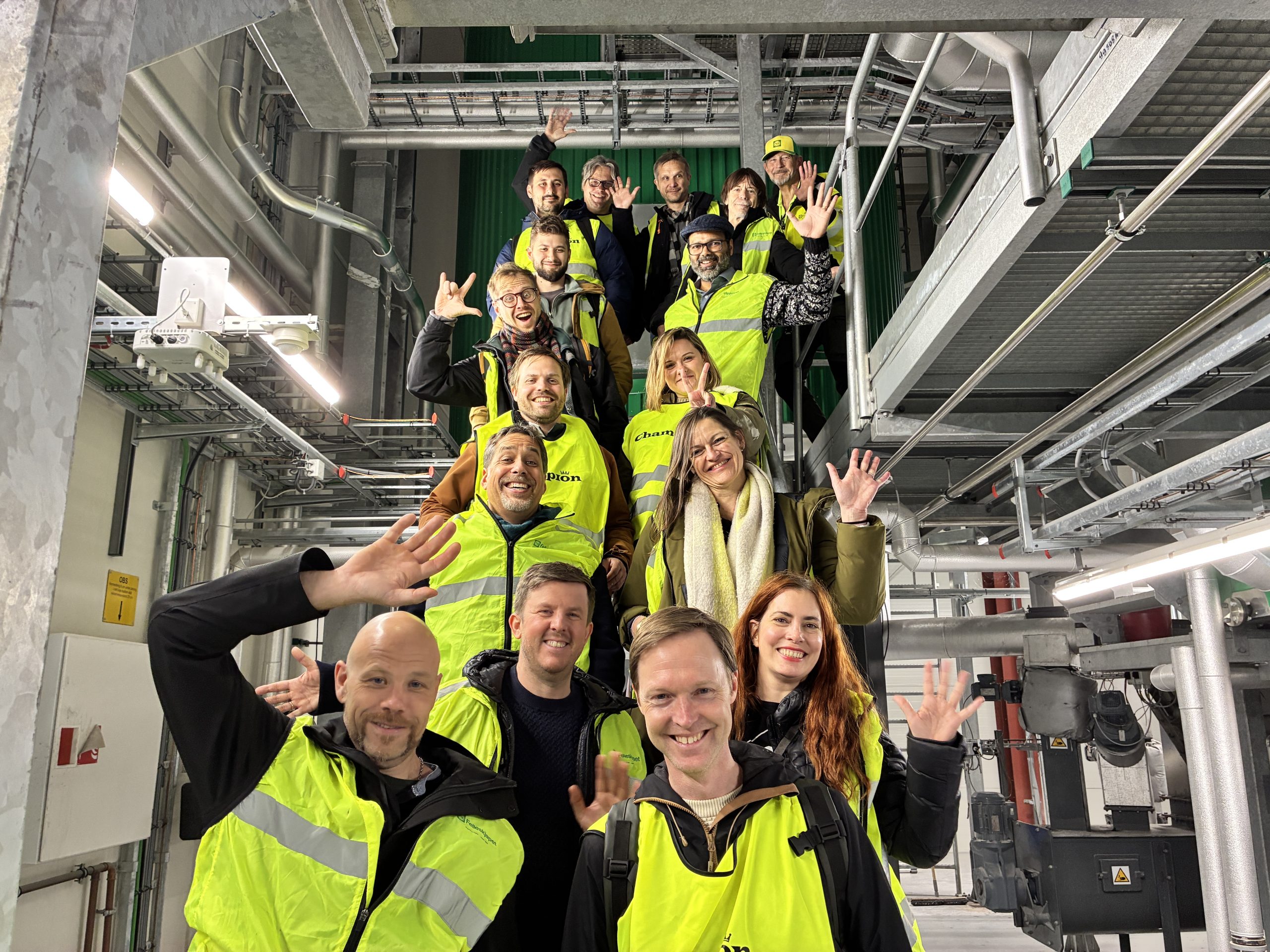
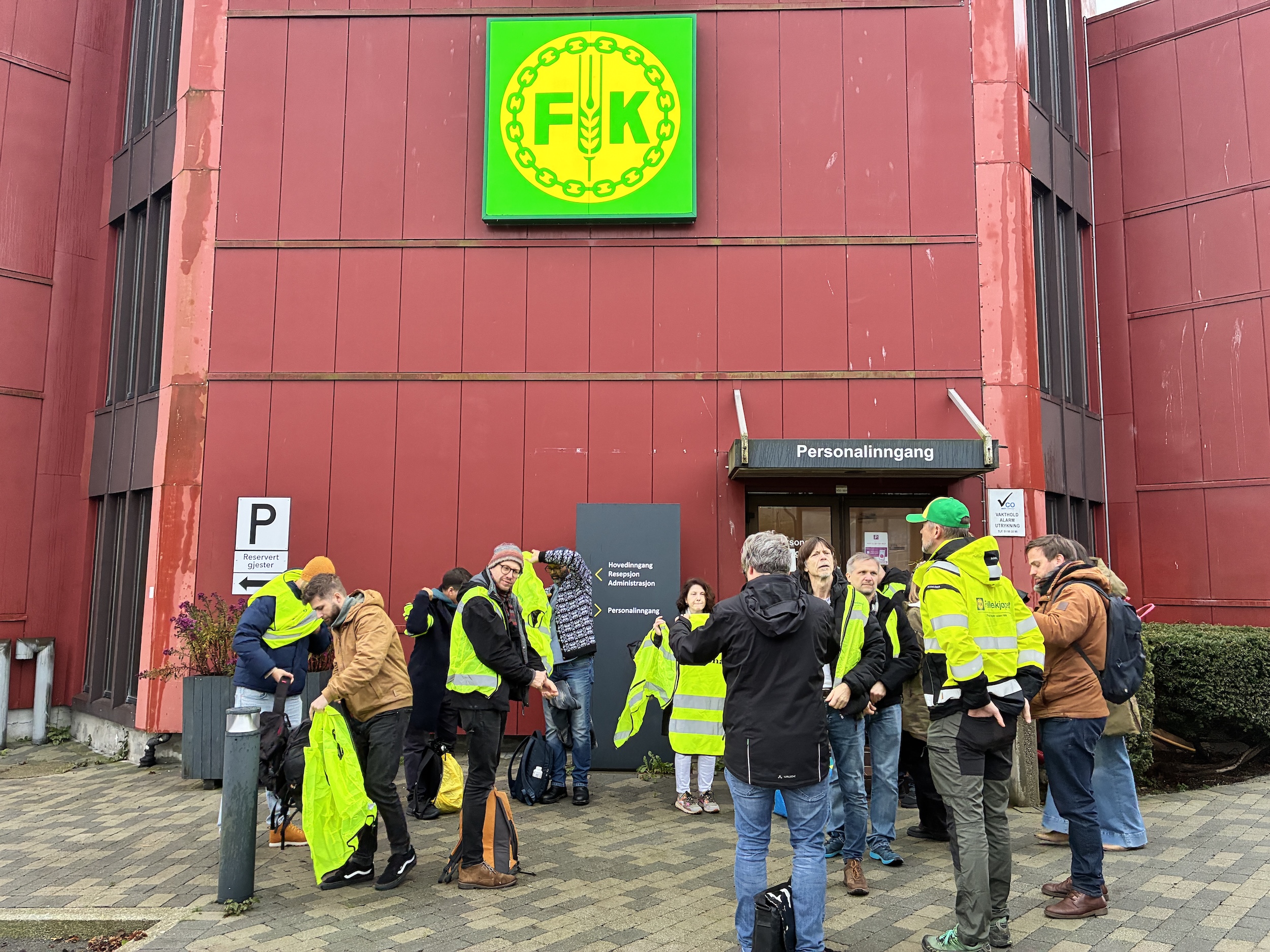
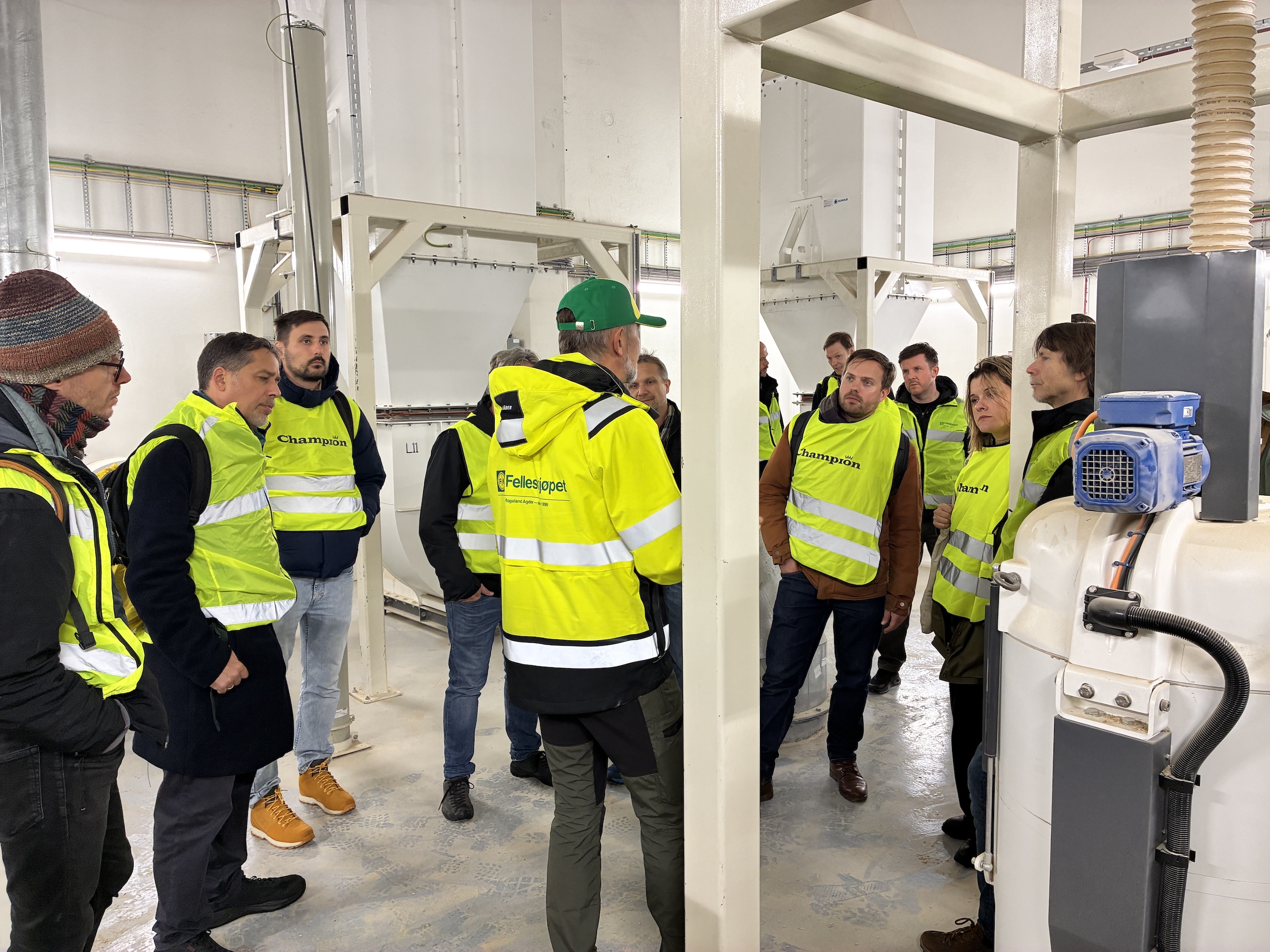
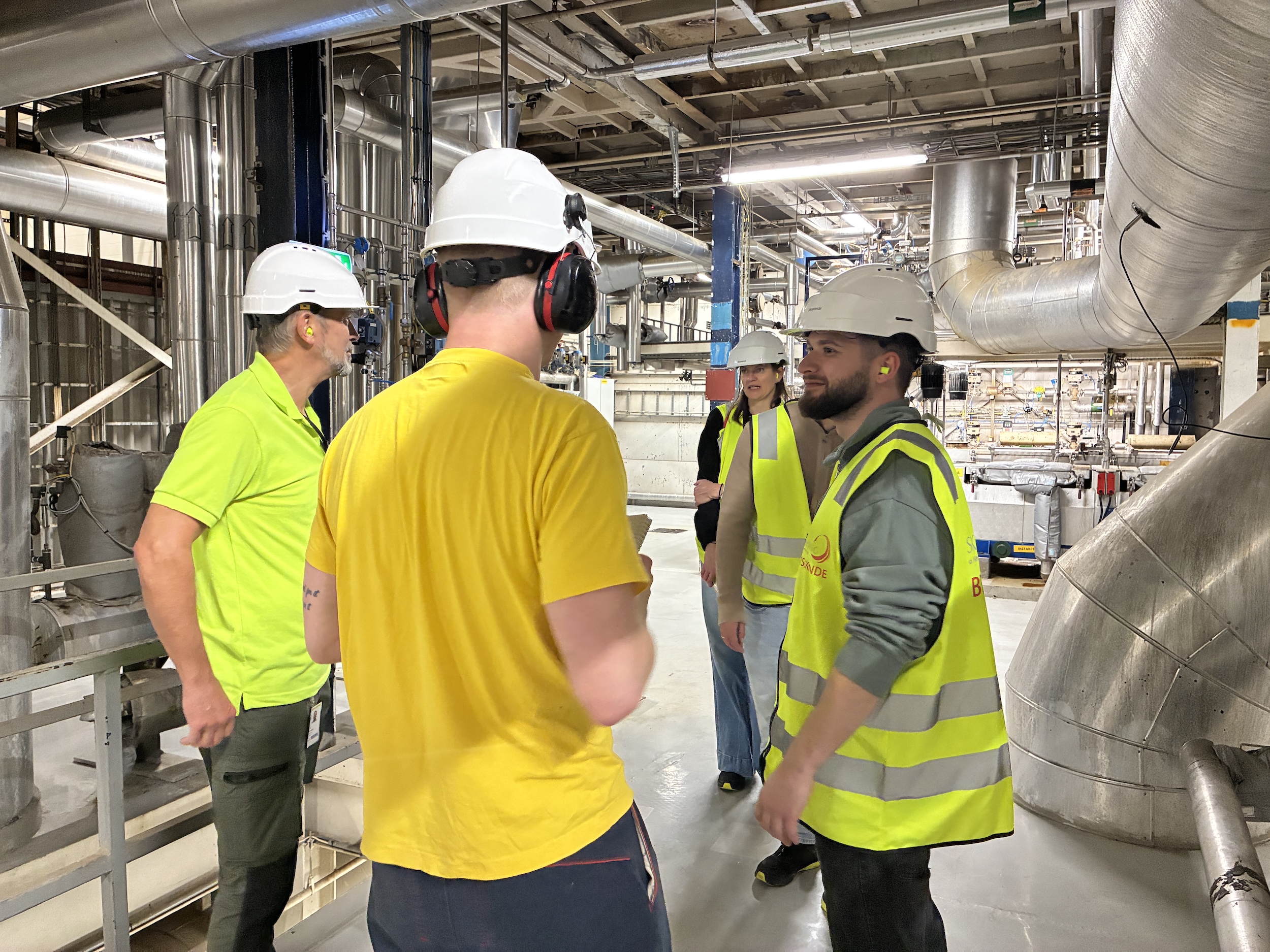
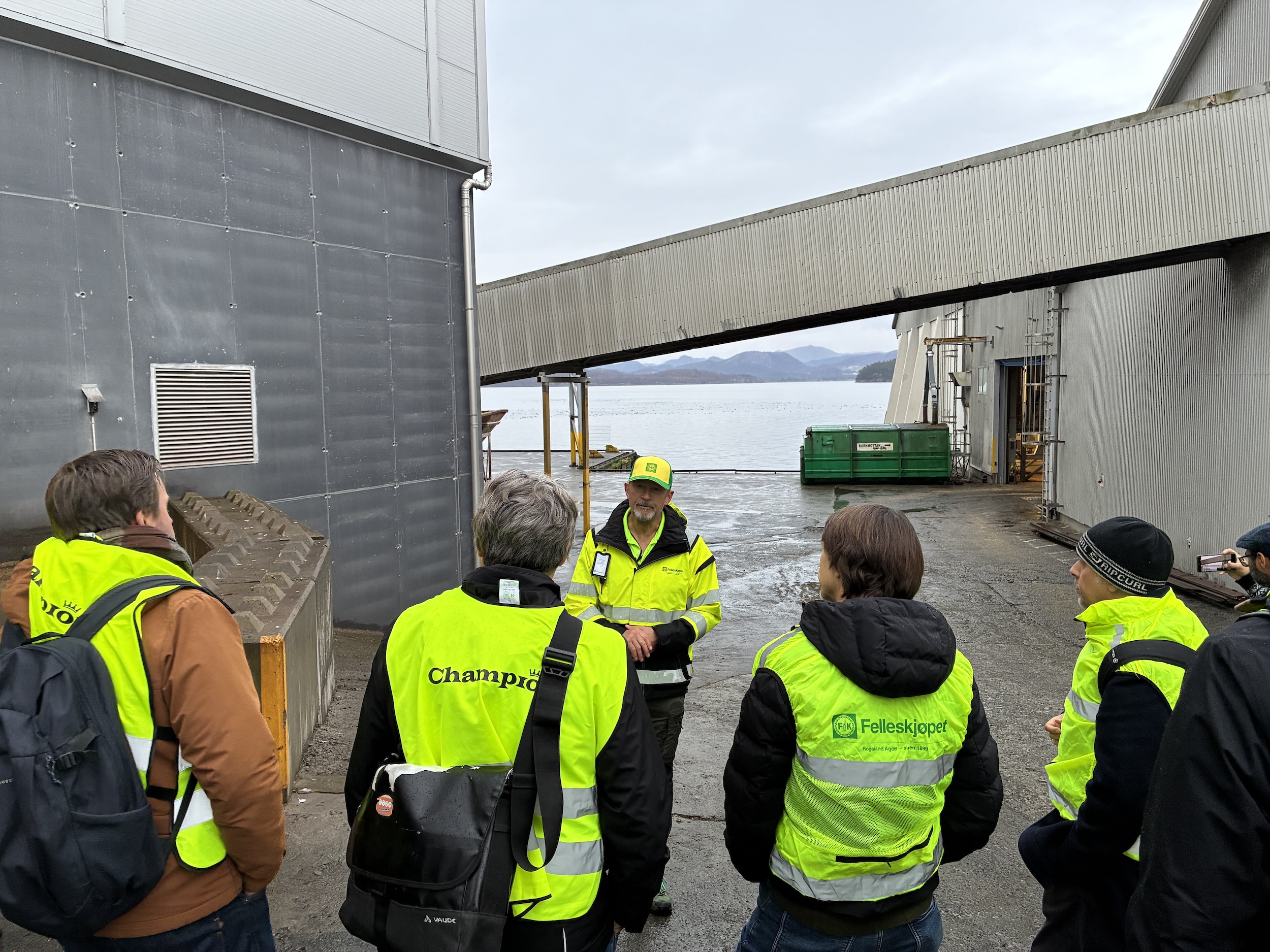
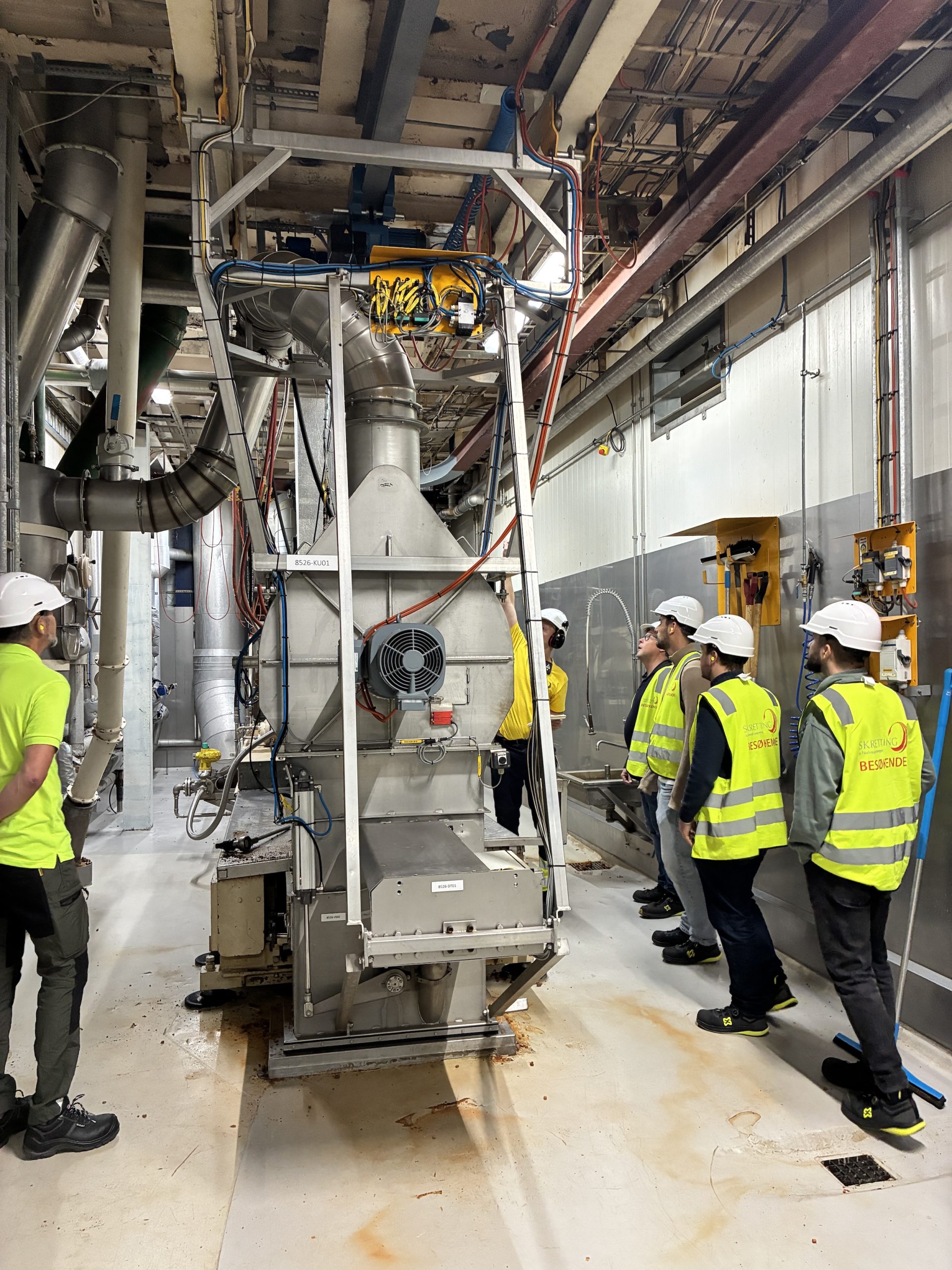
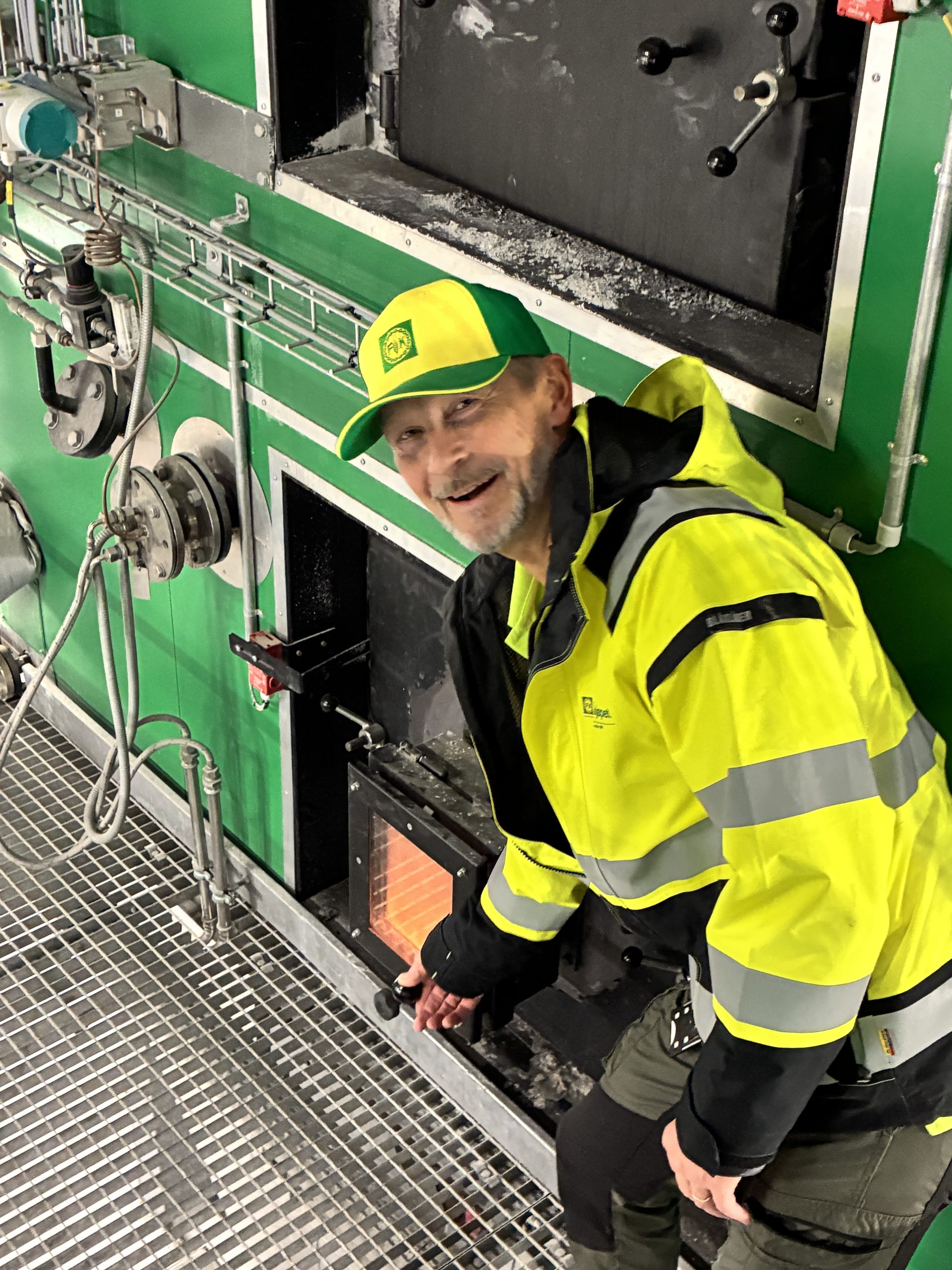
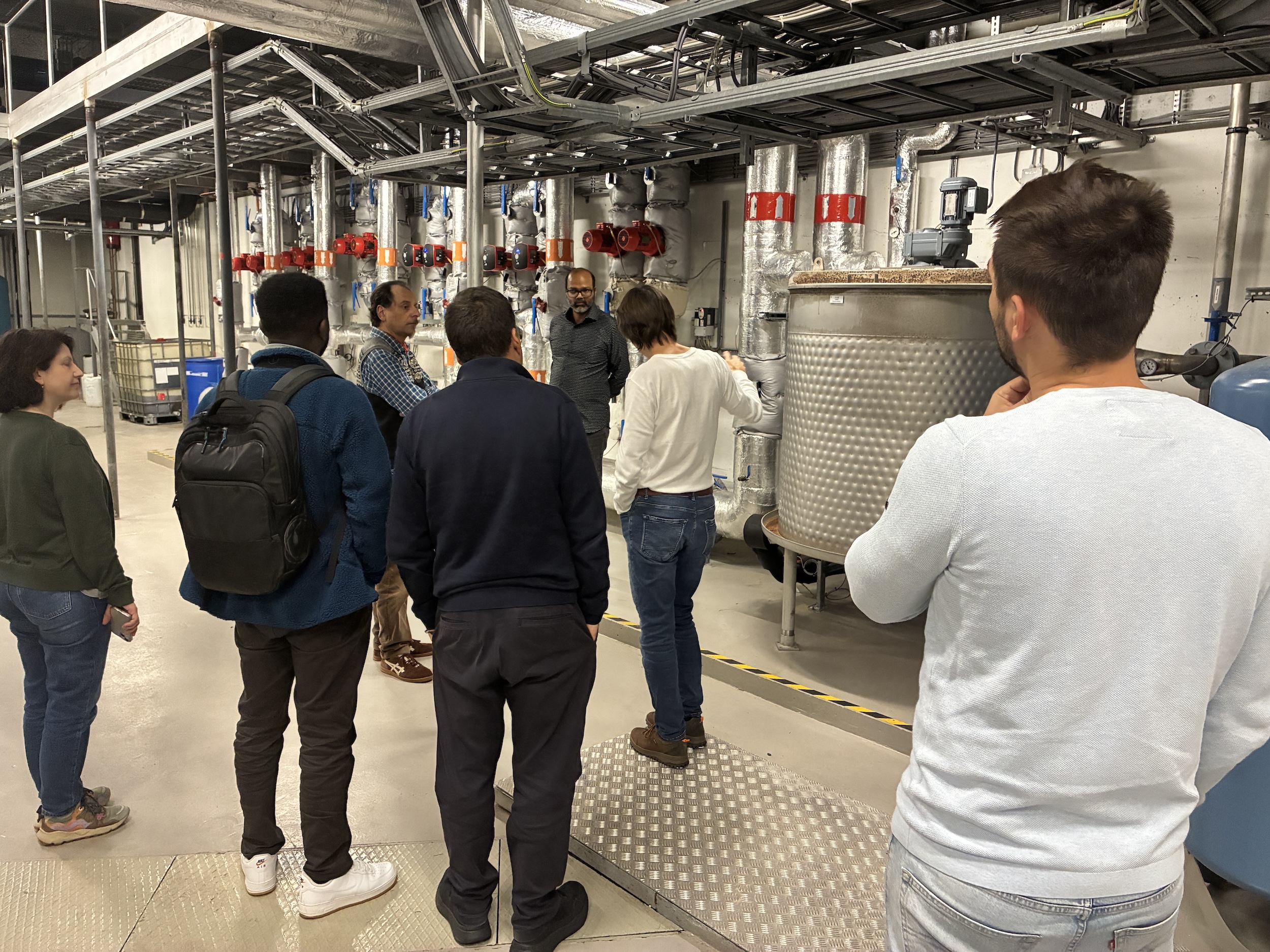
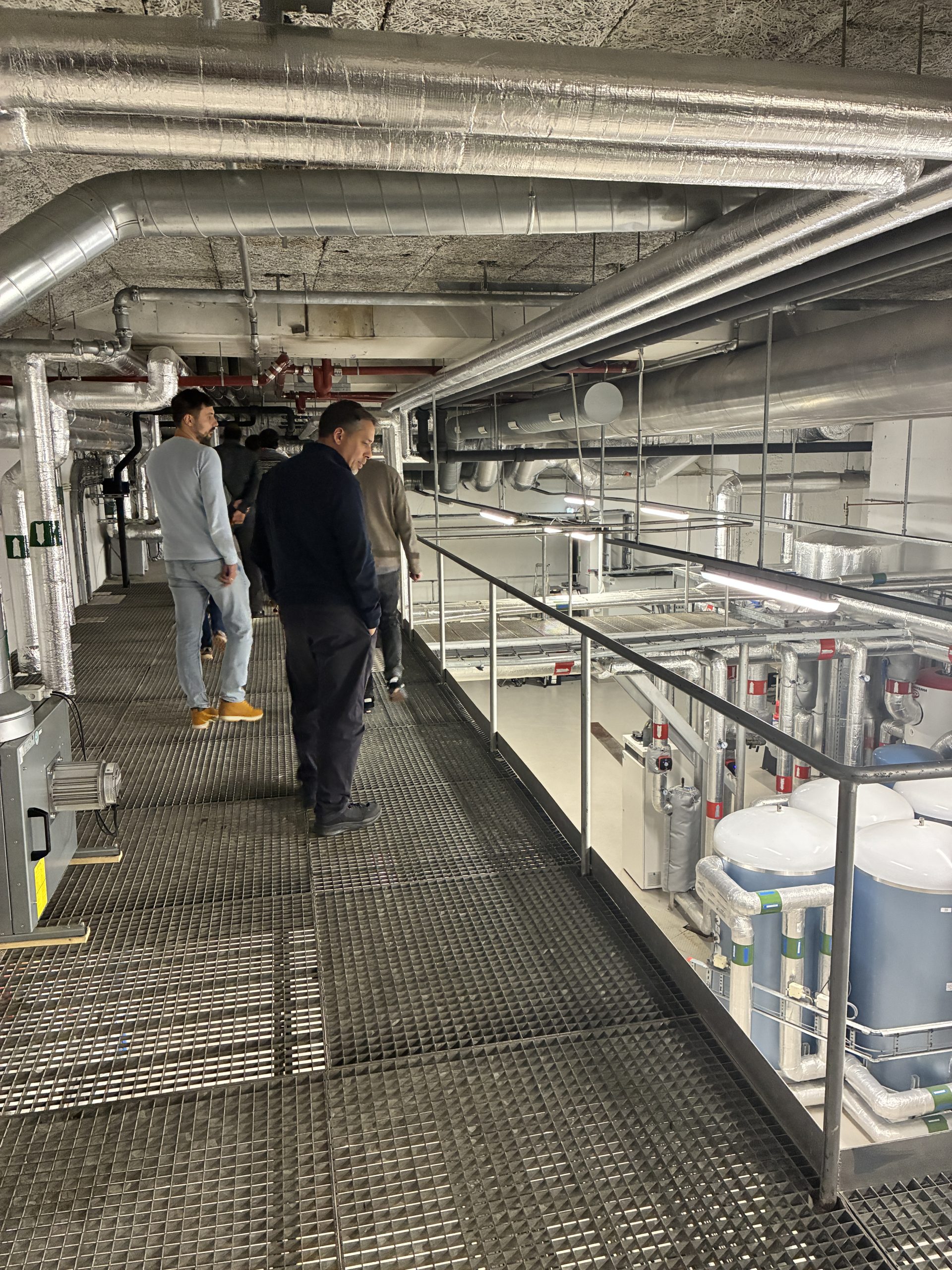
In the afternoon, partners visited Skretting and Felleskjøpet, the two industrial partners in PED Hillevåg, Industrial decarbonisation is among the biggest and most complex challenges in the energy transition, requiring strategic foresight, major investment and coordination across the public and private sectors, and both factories have achieved fuel substitution and energy efficiency in impressive ways. Felleskjøpet showcased its 6 MW biomass plant, an investment of more than €10 million with support from Enova. Fuelled by oat hulls supplied by its farmer members, the plant has replaced gas in production and cut the factory’s emissions by around 90% since May 2025. The next step, together with Lyse Neo, is to feed the now carbon-neutral surplus steam into energy supply beyond the factory, a cooperation that Energy4All helped bring about after many years of effort. Skretting, named a climate winner in PwC’s Climate Index three years running, shared the energy efficiency measures behind its impressive benchmarks and is exploring synergies with Felleskjøpet’s biomass plant.
Day 2: Opening the conversation to Stavanger and Europe
Public seminar: Three perspectives on Positive Energy Districts
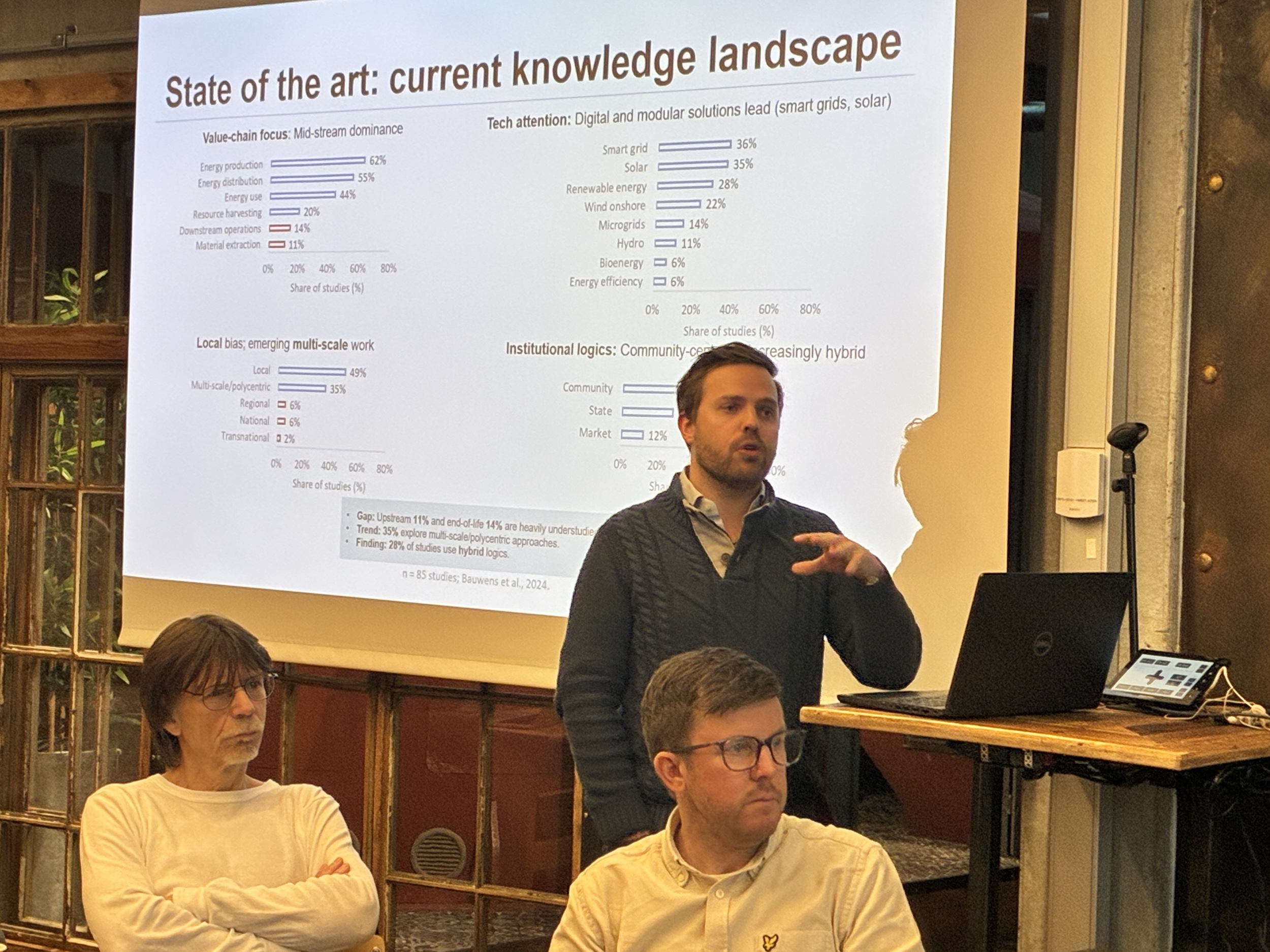
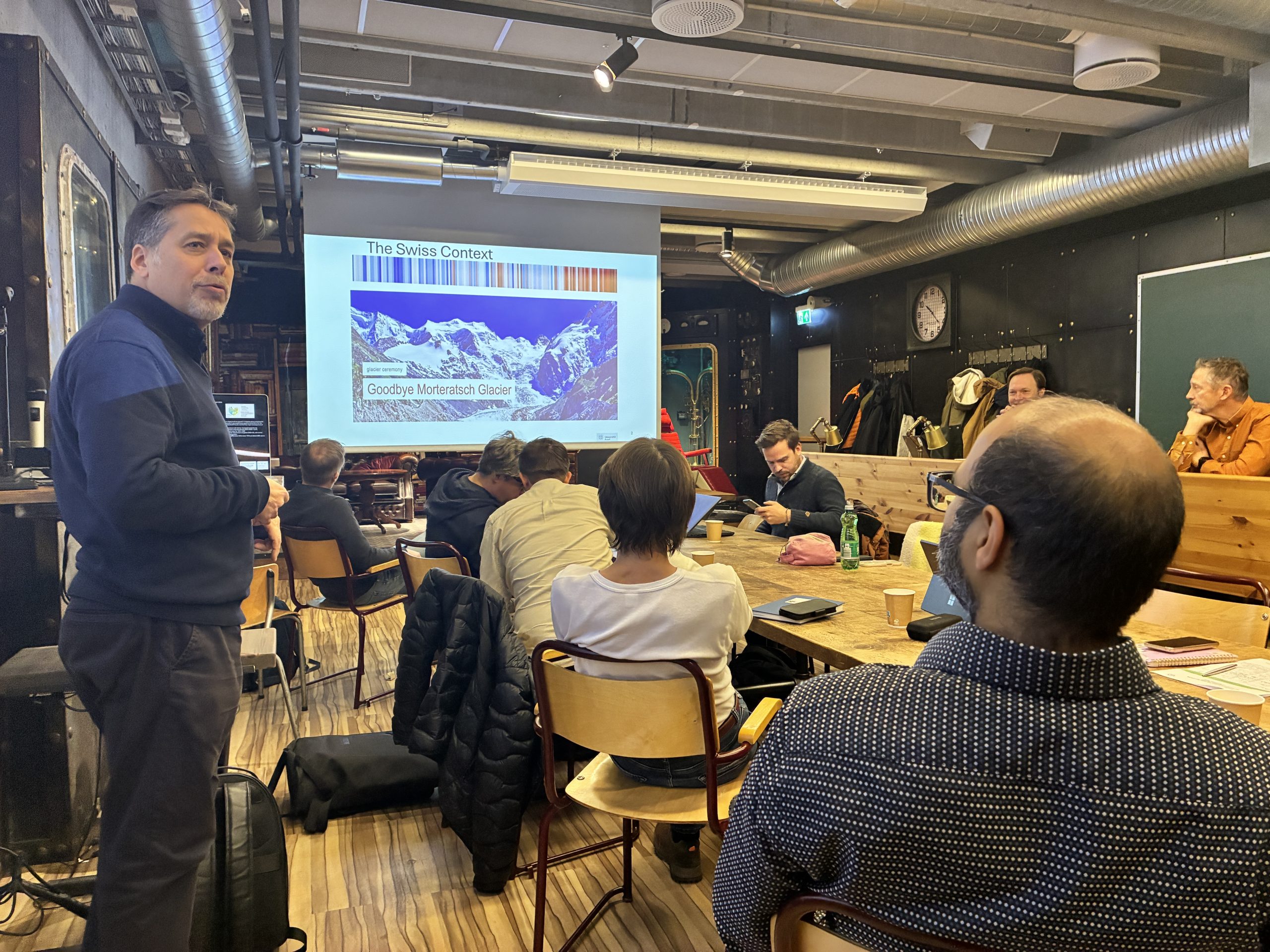
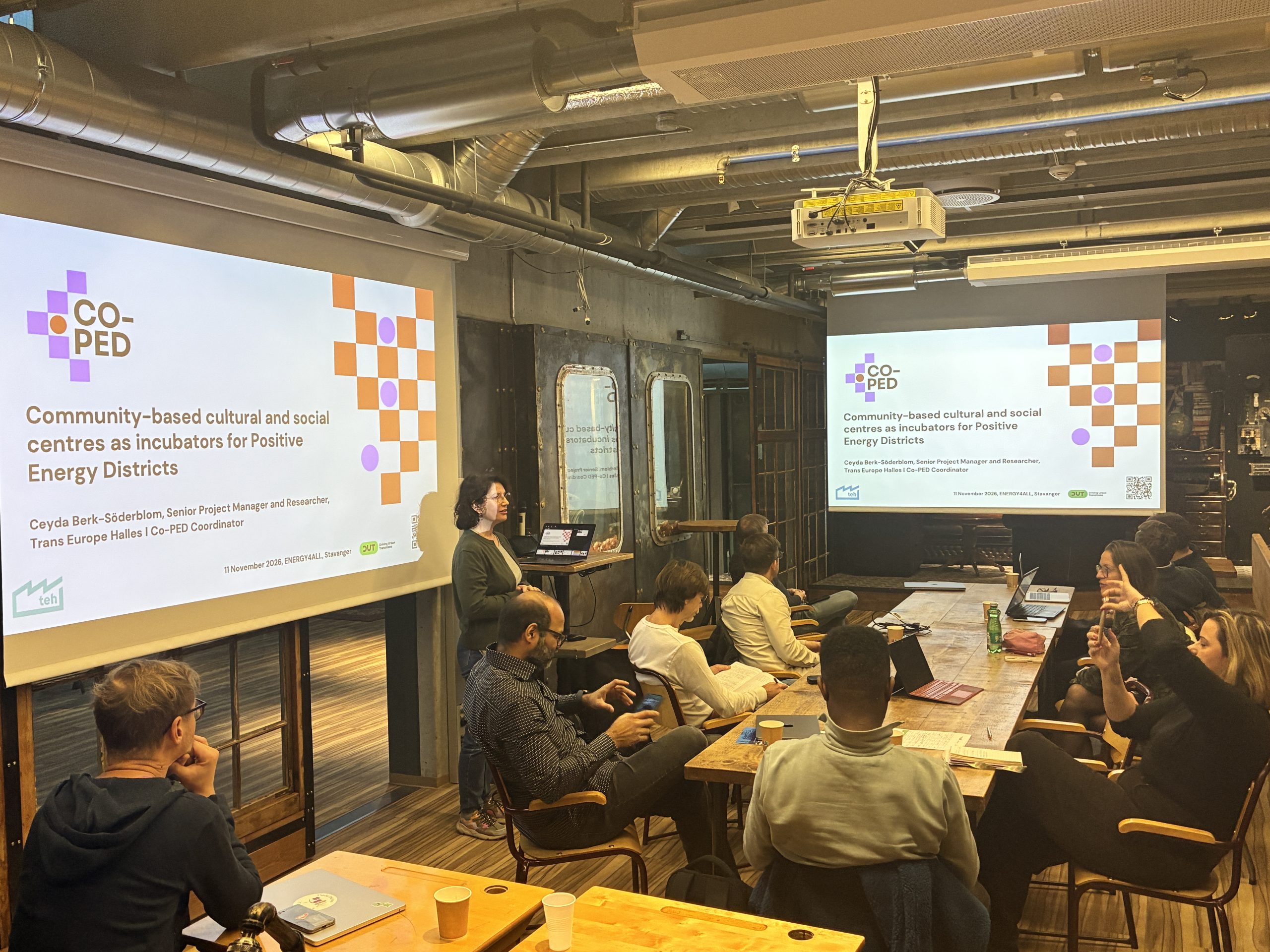
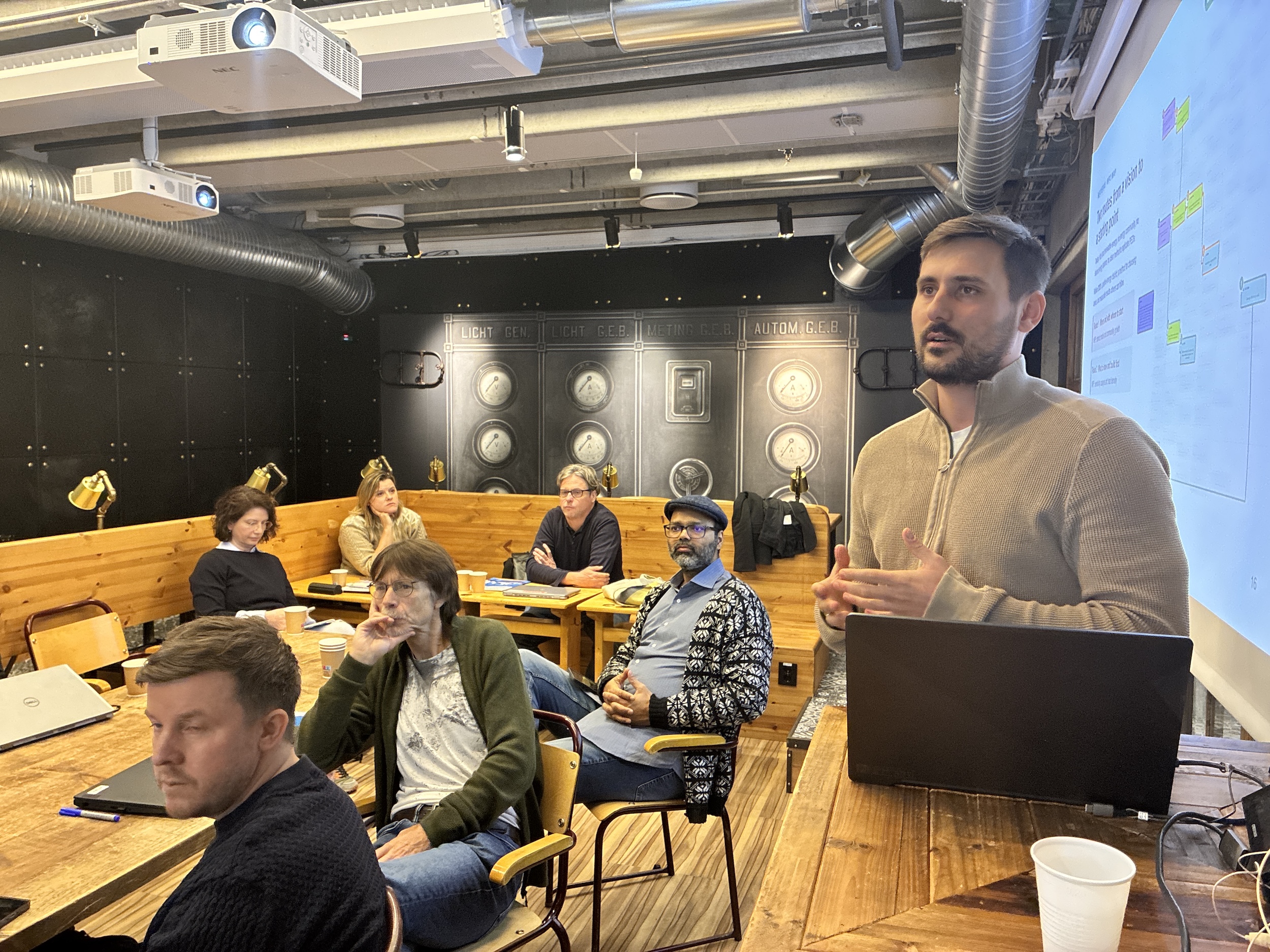
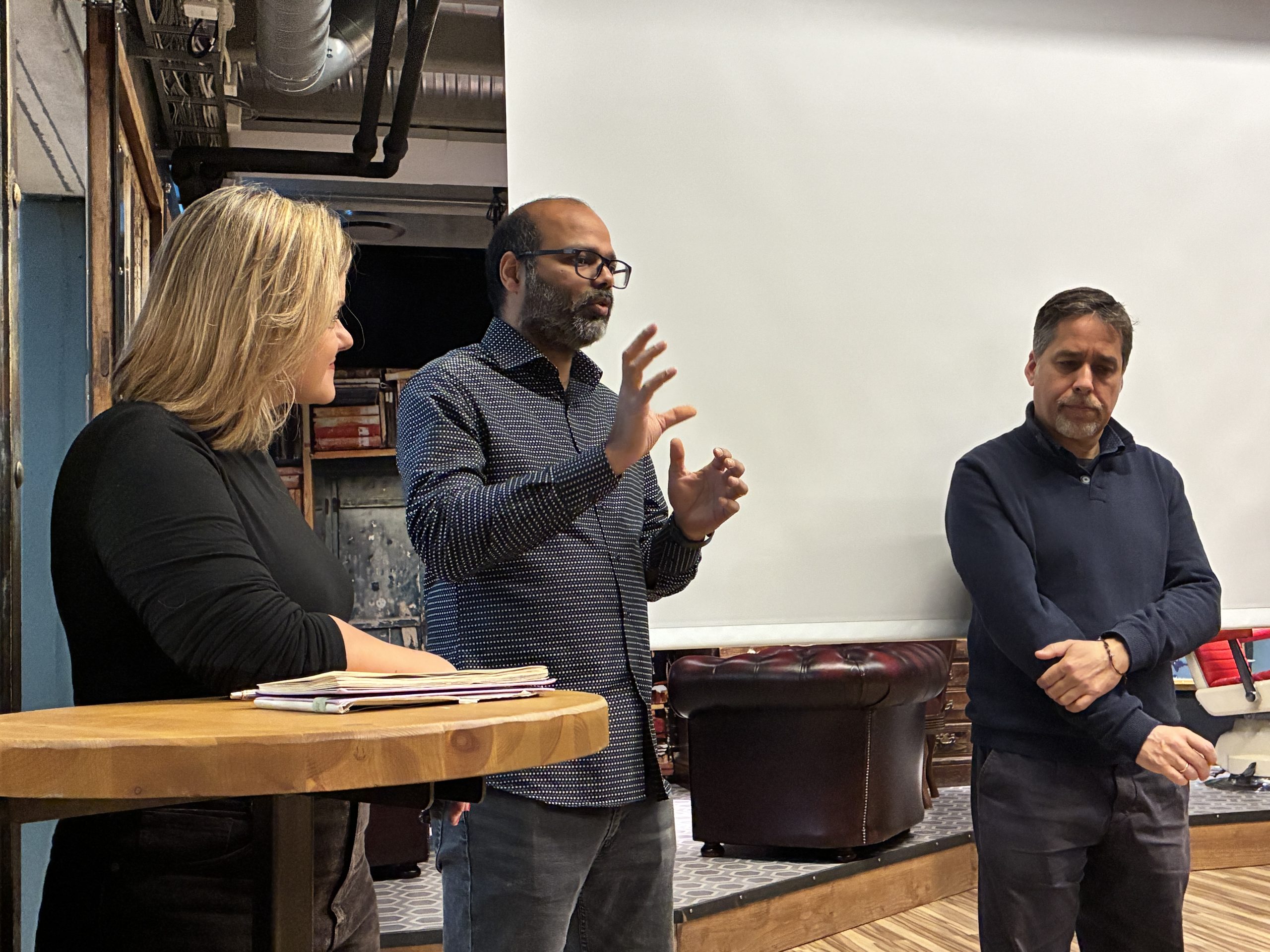
The second day opened to a wider audience at the University of Stavanger, beginning with a seminar moderated by Stefanija Hrle Aiello (Eutropian) and Siddharth Sareen (Fridtjof Nansen Institute). Three guest speakers placed Energy4All’s findings in a broader European context: Thomas Bauwens (Rotterdam School of Management, Erasmus University) examined what makes energy commons work and the paradoxes they face as they scale; Adam Hearn (University of Basel) explored energy justice through Zurich’s Hunziker Areal, showing how social and technical innovations must go hand in hand; and Ceyda Berk-Söderblom (Trans Europe Halles) presented cultural spaces as transition infrastructure through the sister Driving Urban Transitions PED project Co-PED.
Comic book launch and local policy roundtable
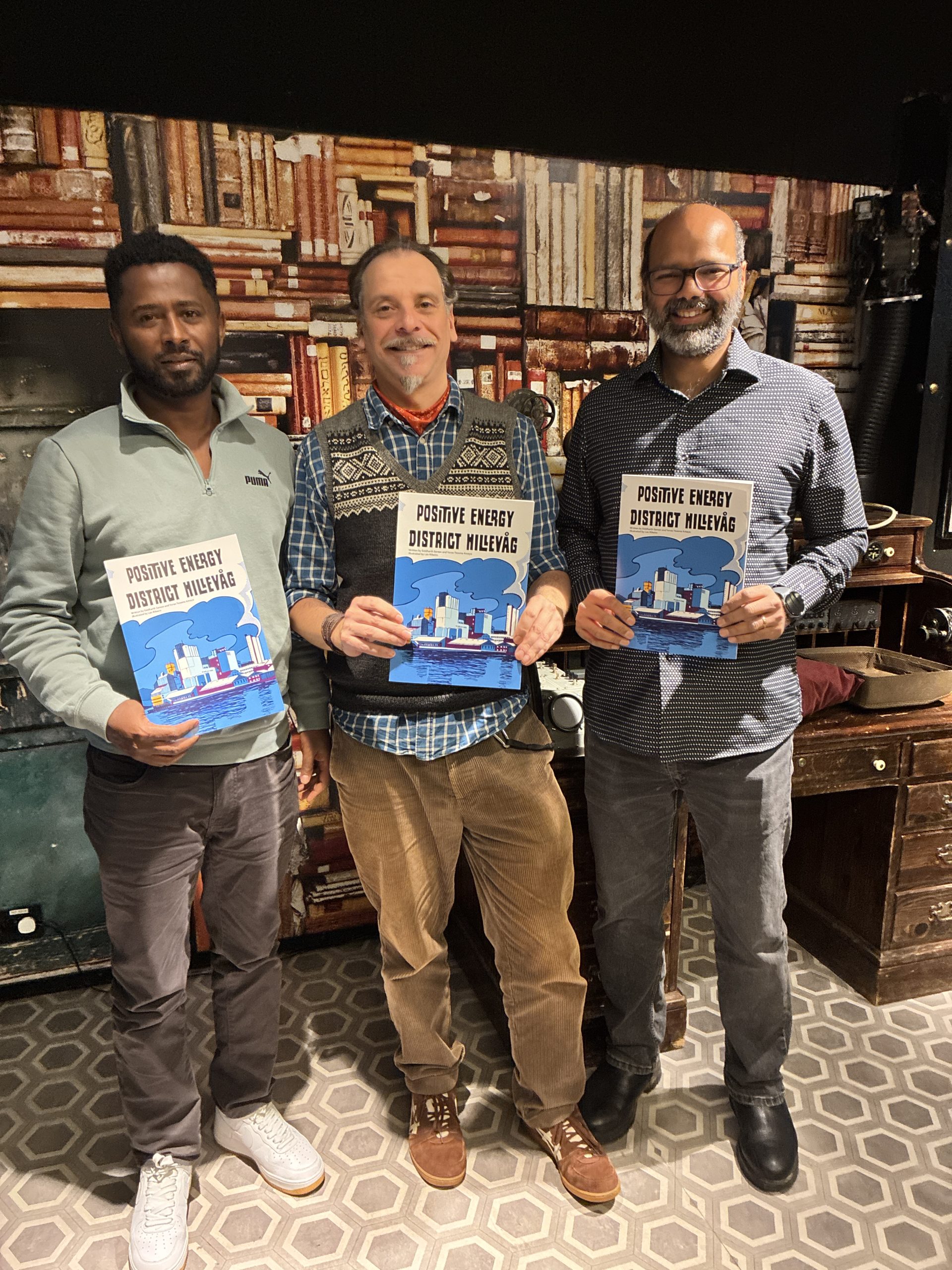
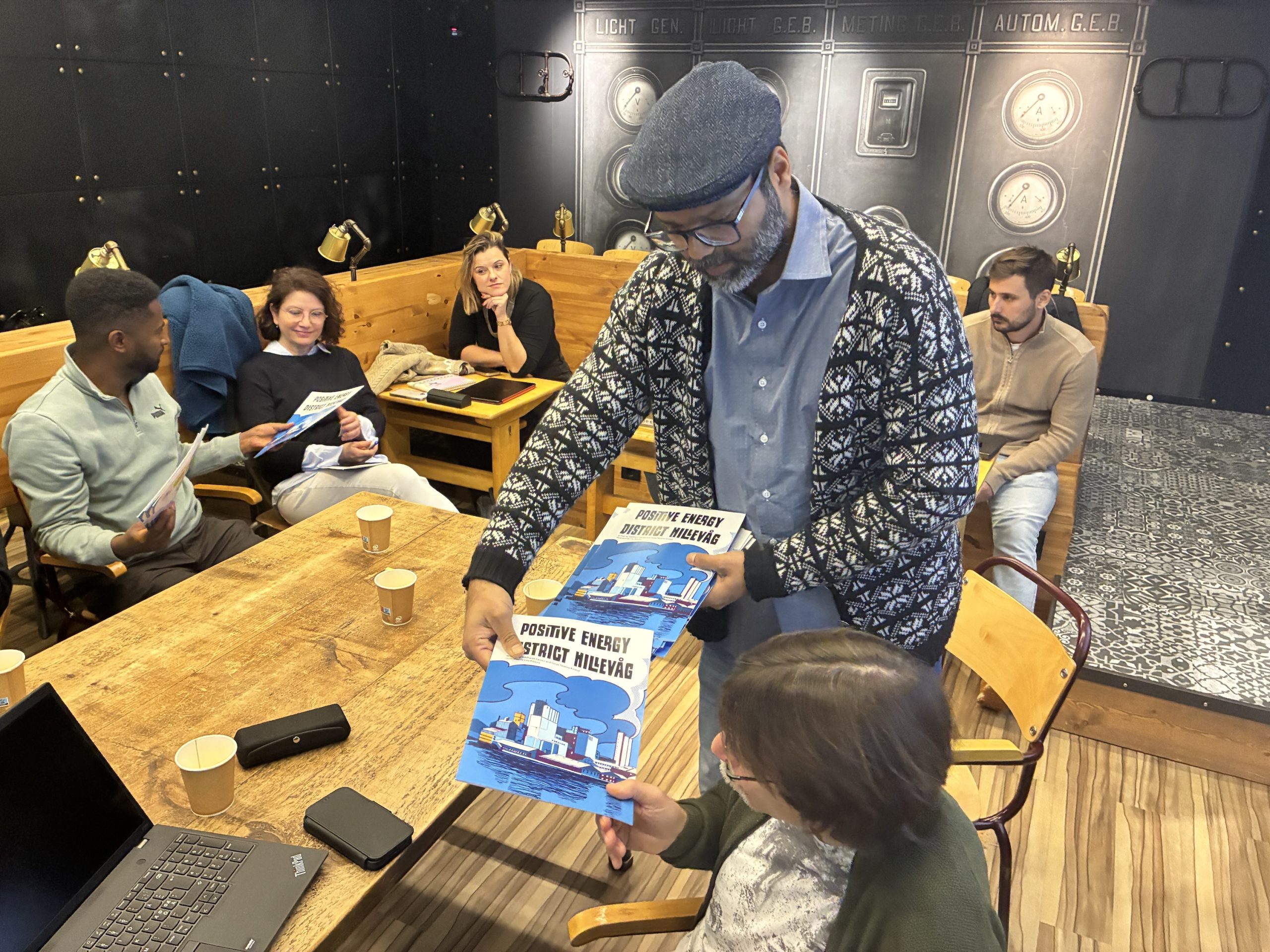
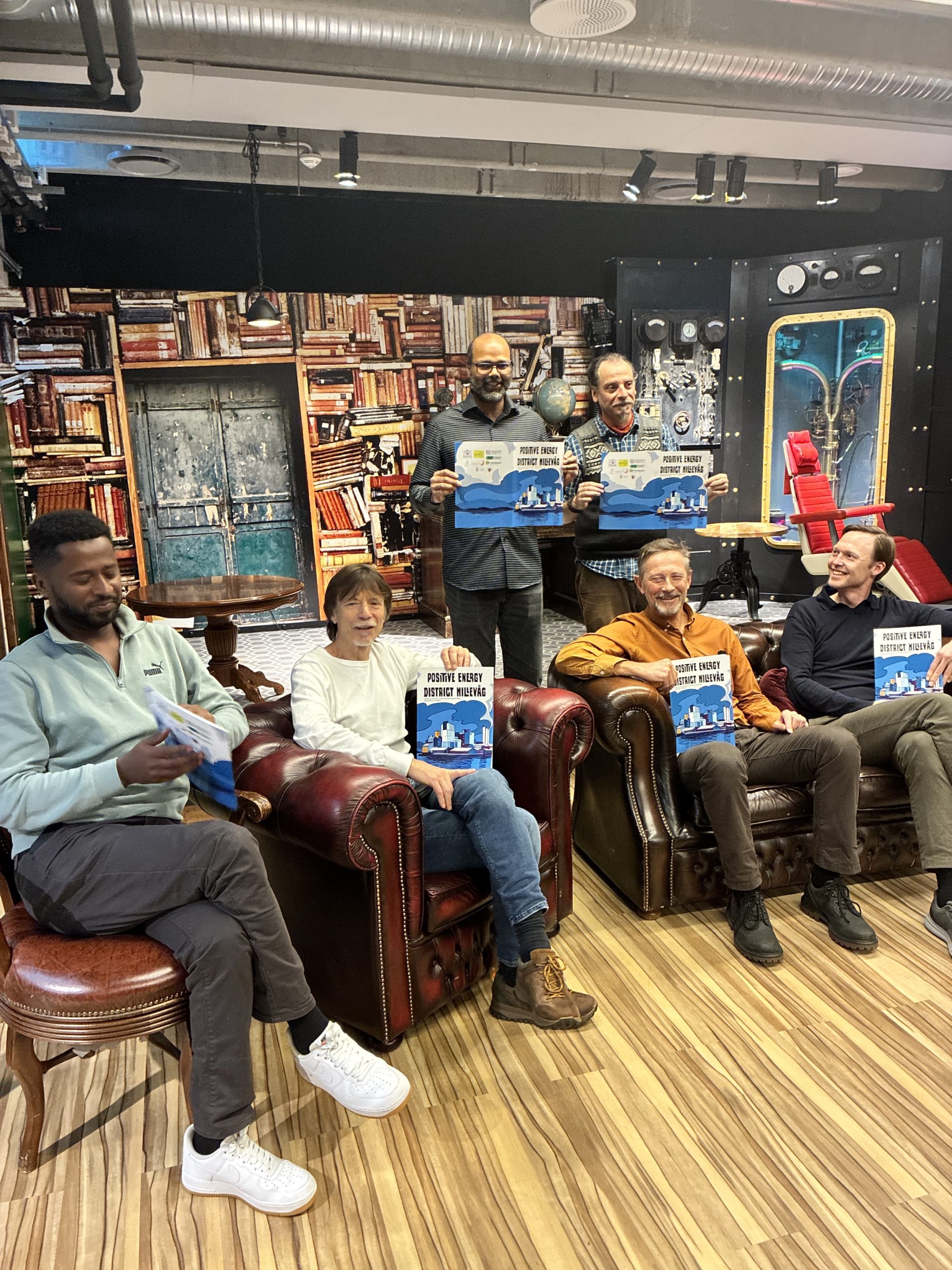
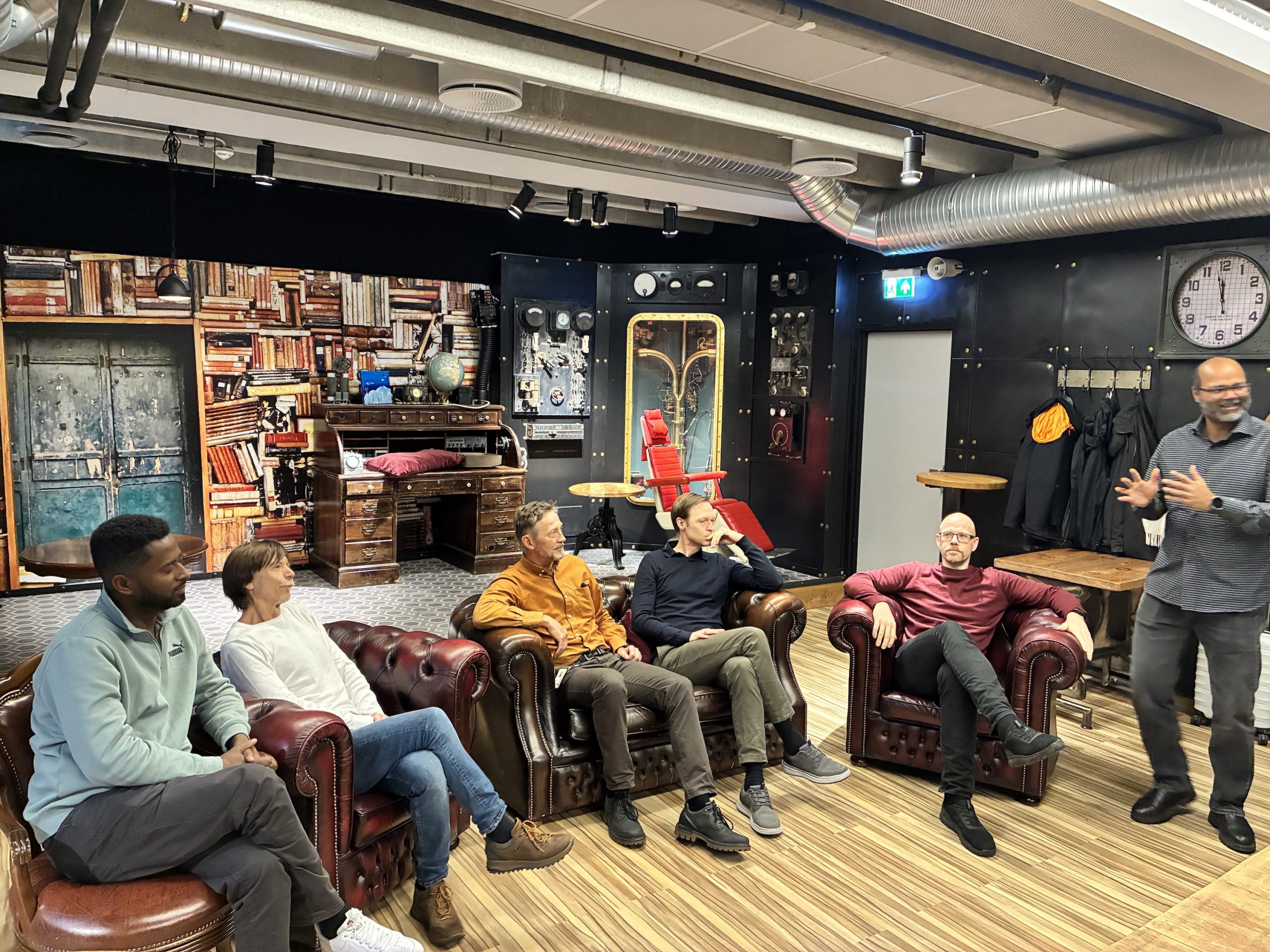
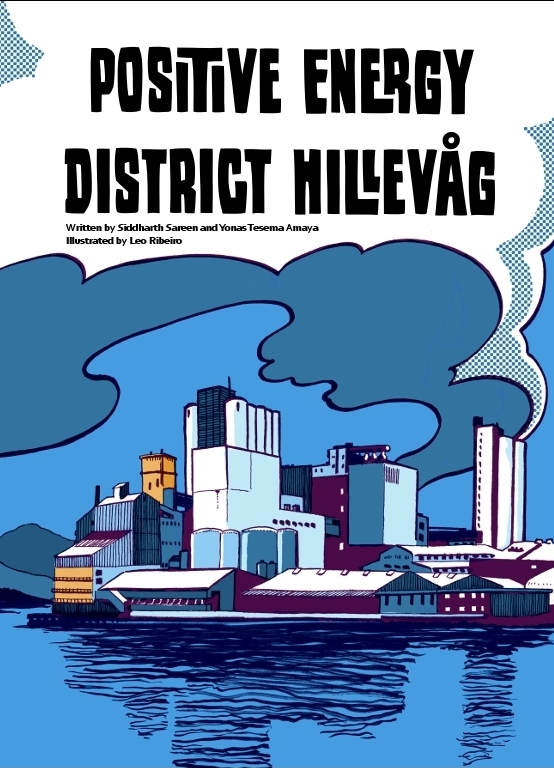
The policy roundtable opened with the public launch of Positive Energy District Hillevåg, an open-access comic book by Siddharth Sareen and Yonas Tesema Amaya, illustrated by Leo Ribeiro, that turns the 2024–2026 cooperation behind PED Hillevåg into an accessible visual story. Every participant received a free printed copy. A panel moderated by Sareen then brought together the key local drivers of PED Hillevåg: Ernst Olsen (Stavanger Municipality), Per Krogedal (Felleskjøpet Rogaland Agder), Lauritz Remmen (Skretting), Geir Aspelund (Lyse Neo) and Yonas Tesema (University of Stavanger).
Study visit with Stavanger Municipality
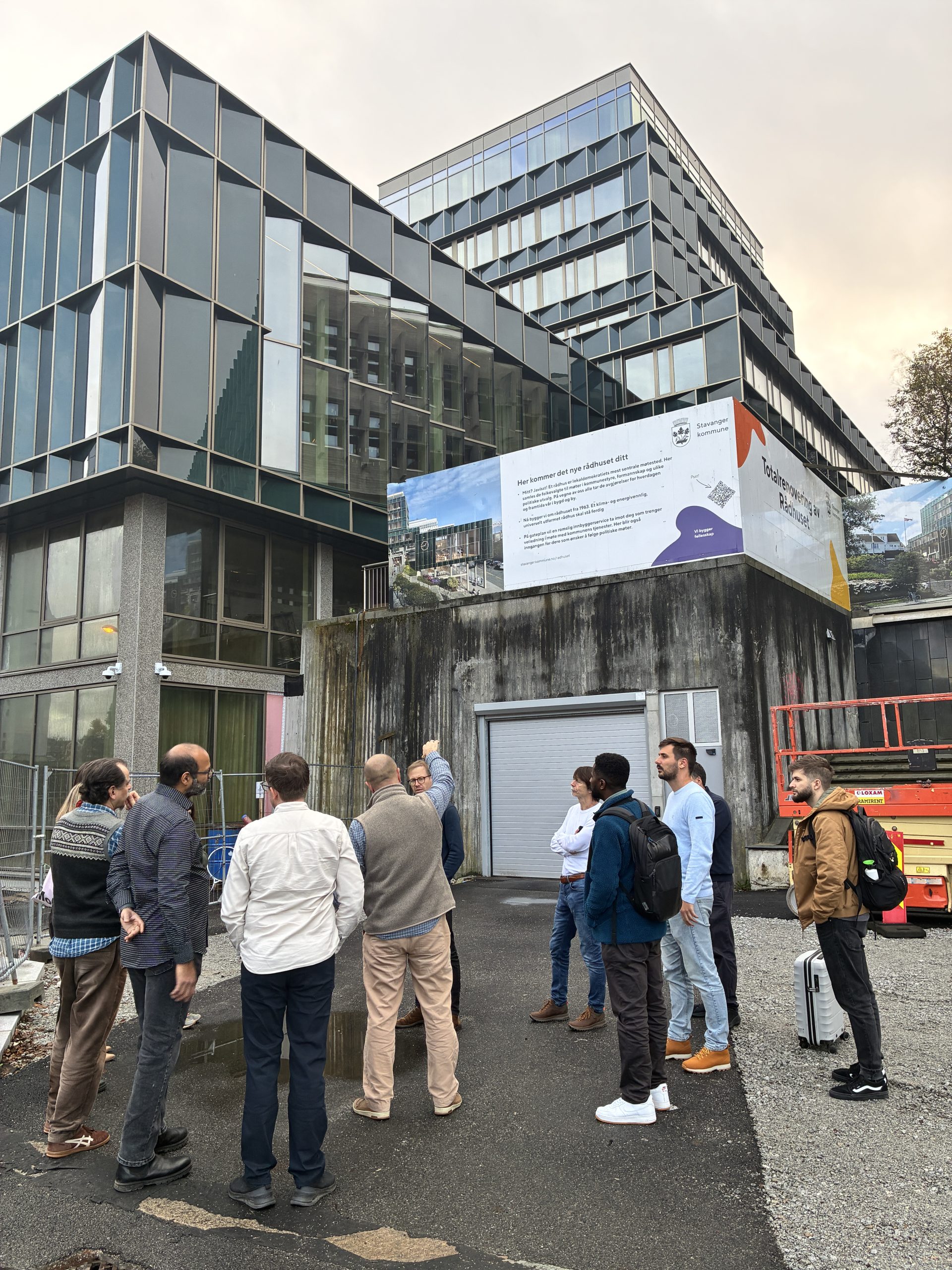
In the afternoon, Stavanger Municipality hosted a study visit on local PED innovations. Partners heard about the Triangulum lighthouse project, n the afternoon, Stavanger Municipality hosted a study visit on local PED innovations. Partners heard about the Triangulum lighthouse project, which recovers heat from wastewater in a sewage tunnel beneath the city, and saw where the municipal building hosting the visit connects to it. The municipality is also looking underground for new heat sources. Only a fraction of its roofs suit solar panels, so it is working with a local drilling company to tap the natural heat of the bedrock two kilometres below Rennesøy School. That is deeper than any well yet drilled on land in Norway, and it will heat nearby schools, kindergartens and sports facilities. The visit continued with a tour of the City Hall renovation with Axel R. Larsen
Looking ahead
The meeting in Stavanger demonstrated what Energy4All has been about from the start: uniting researchers, municipalities, industry and communities to make Positive Energy Districts work in practice.
Our warm thanks to the University of Stavanger for hosting us, to Felleskjøpet and Skretting for opening their doors, to Stavanger Municipality for showing us its energy innovations, and to all partners and guests who made these two days so rewarding.
Read more on the achivements of Skretting and Felleskjøpe: Drastic reduction in heavy industry carbon emissions at Felleskjøpet in Stavanger Municipality!
See the other article
October 28 - 2026
ENERGY4ALL? Public talks and panel discussion on Positive Energy Districts in Stavanger and Europe!
The ENERGY4ALL project hosts European partners for a consortium meeting to close three years of successful collaborative research and innovation on Positive Energy Districts, or PEDs. Across Norway, Austria, Italy and Hungary, we have piloted and researched PEDs as part of growing momentum for renewable energy communities in European cities and neighbourhoods.
October 28 - 2026
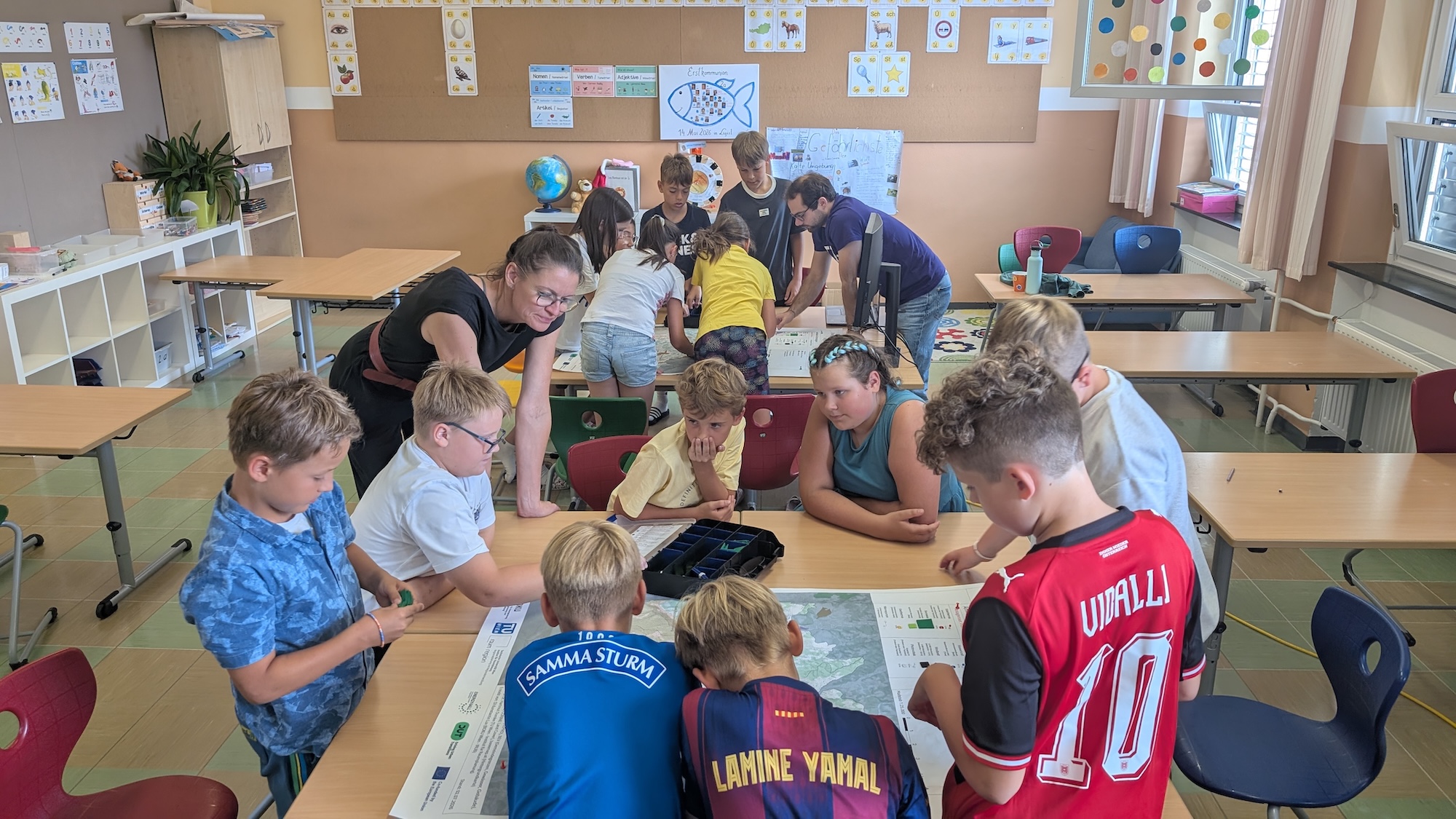
Understanding the Energy Transition: A Playful Approach to Expanding Renewable Energy
This article describes a playful approach to getting familiar with different renewable energy technologies, the selection of suitable or possible sites, and the energy demand of Austrian municipaliti
October 21 - 2026
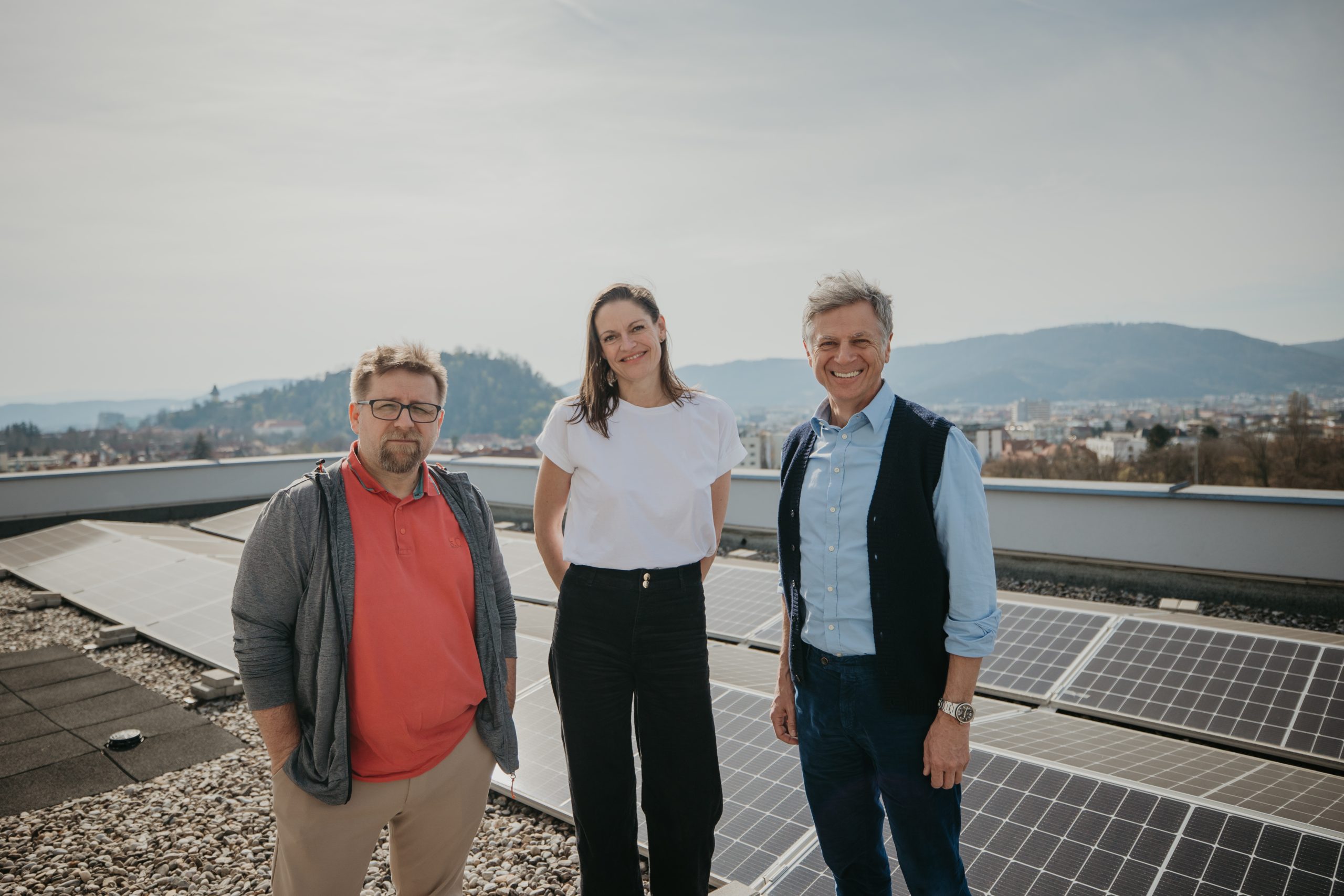
What It’s Like Working with Energy Communities in Austria: An Insider’s View with Cornelia Desimini
Cornelia Desimini, deputy chair of EEG Verbund Lipizzanerheimat, explains how Austrian energy communities keep money in the region, and why their biggest challenge is finding enough consumers and a more diverse membership.
October 9 - 2026
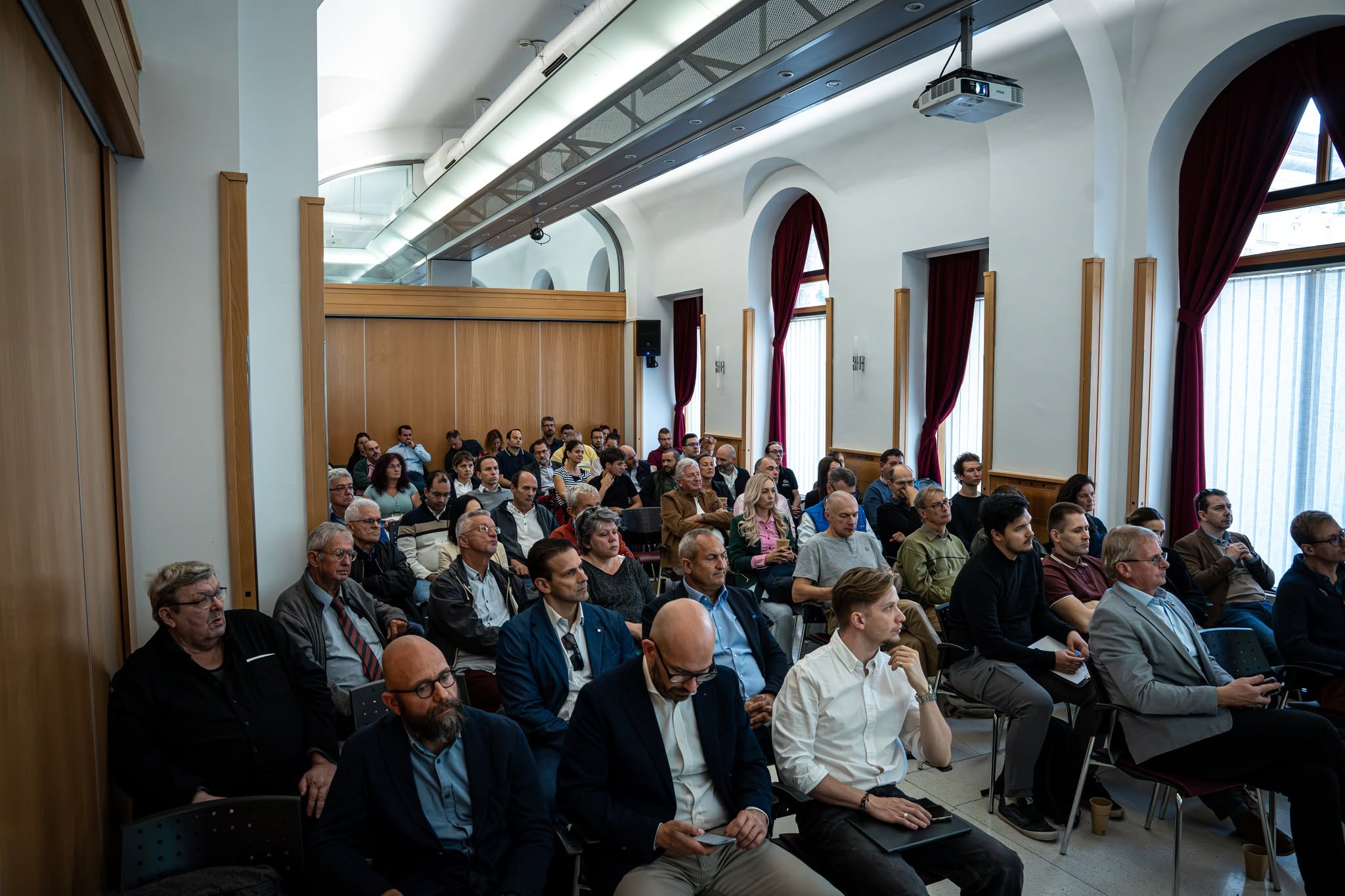
4th Energy Community Conference, Community Energy: New Opportunities?
On 7 October, our Energy4All partner, the Centre for Solidarity Economy (SZGK), co-organised the 4th Energy Community Conference, Community Energy: New Opportunities?, together with Transzformátor and the Hungarian Federation of Energy Communities.
September 14 - 2026
New policy article
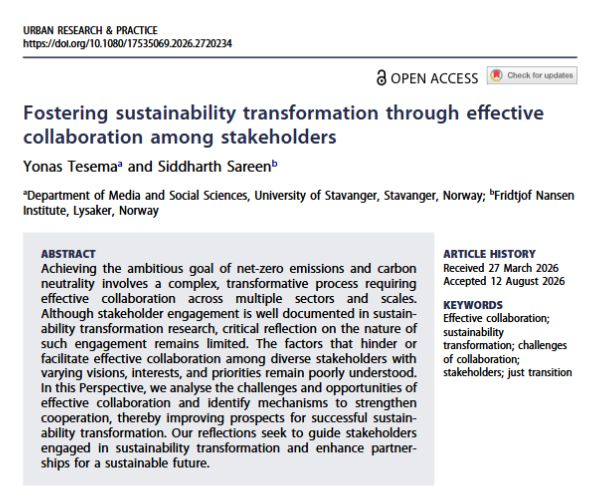
Fostering sustainability transformation through effective collaboration among stakeholders” explores how collaboration among stakeholders can support sustainability transformation, and what factors enable or hinder effective collaboration and collective action.
July 22 - 2026
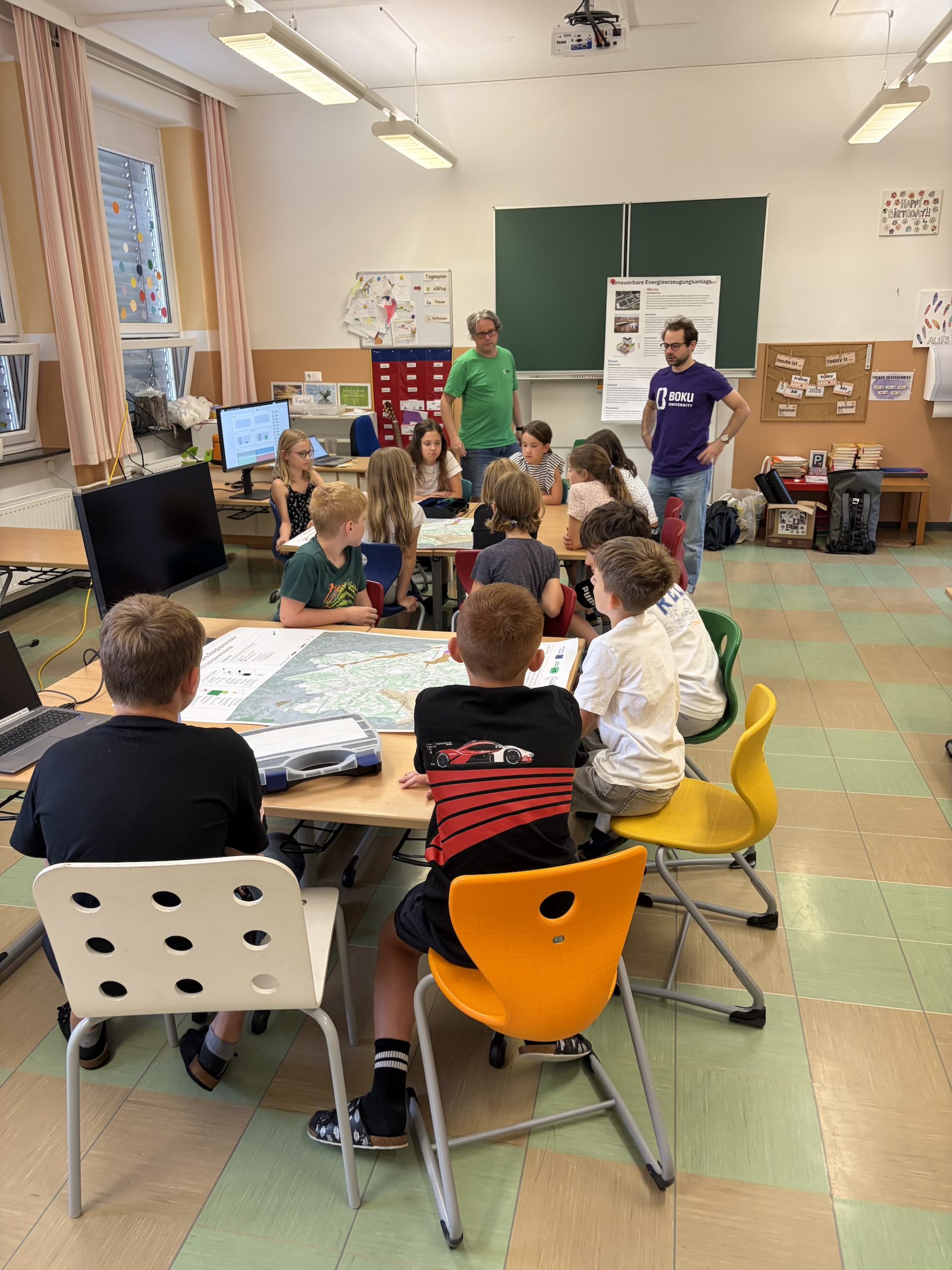
The Energy Transition Game empowers kids for a sustainable future – Workshops by BOKU & Austrian ECs schools
The "Energy Transition Game" transformed the elementary school in Ligist, Styria, into a renewable energy hotspot through workshops developed by BOKU University as part of Energy4all, focusing on knowledge transfer, raising awareness and community building among children, teachers and parents.



Share on