4th Energy Community Conference, Community Energy: New Opportunities?
October 9 - 2026
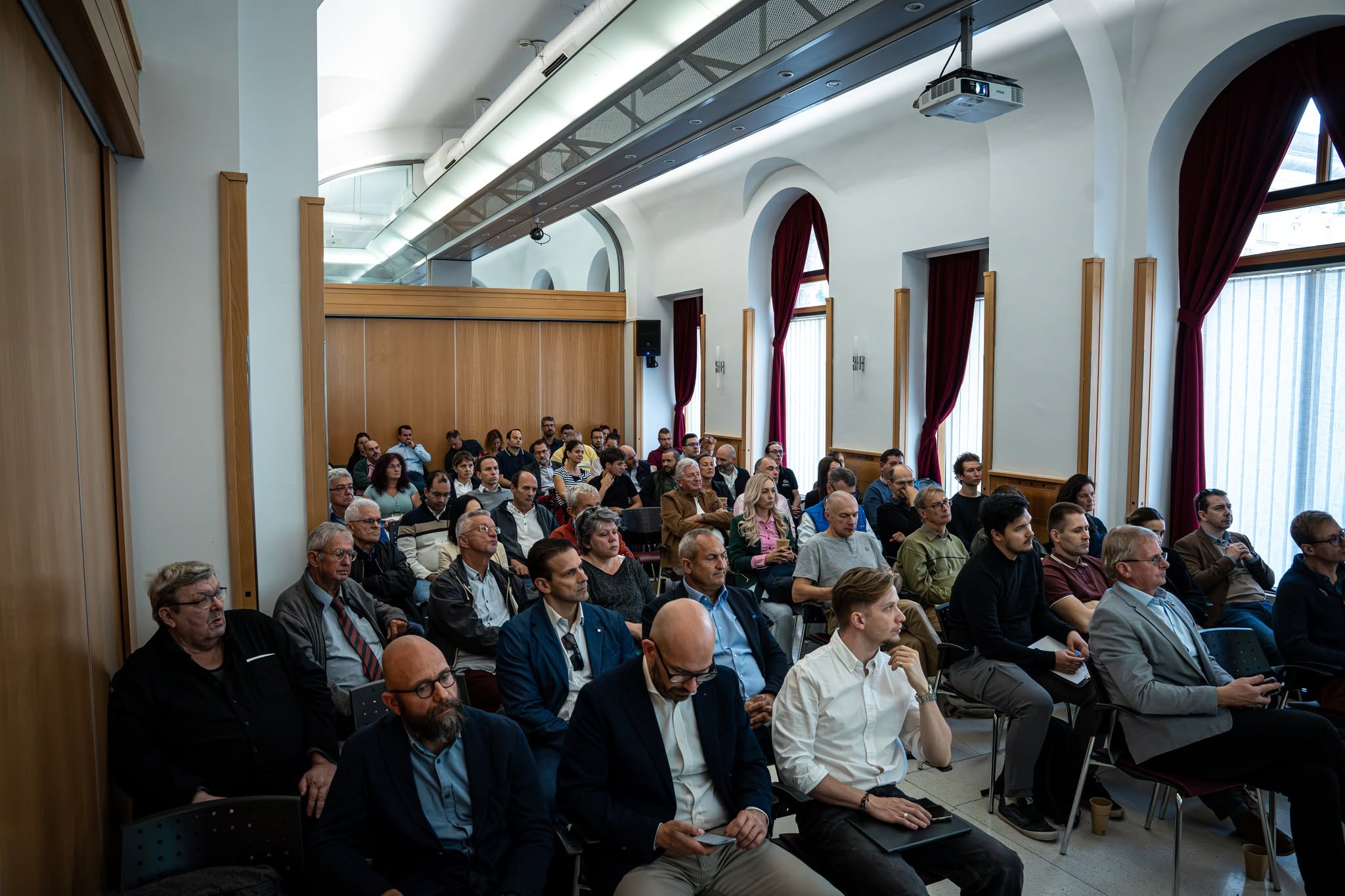
How did Hungary become a solar power giant, and why is there still no energy community in an apartment building in the country? Could wind farms become a testing ground for community investment, and what can urban solar energy communities learn from them?
On 7 October, our Energy4All partner, the Transzformátor Központ/Centre for Solidarity Economy (SZGK), co-organised the 4th Energy Community Conference, Community Energy: New Opportunities?, together the Hungarian Federation of Energy Communities. Held at Aranytíz Cultural Centre in Budapest, the conference explored Hungary’s energy transition, the government’s energy plans and the conditions needed to establish and sustain energy communities.
Presentations and discussions addressed electrification, energy storage, grid development and renewable energy integration, including opportunities for local communities to invest in wind farms and share in their economic benefits.
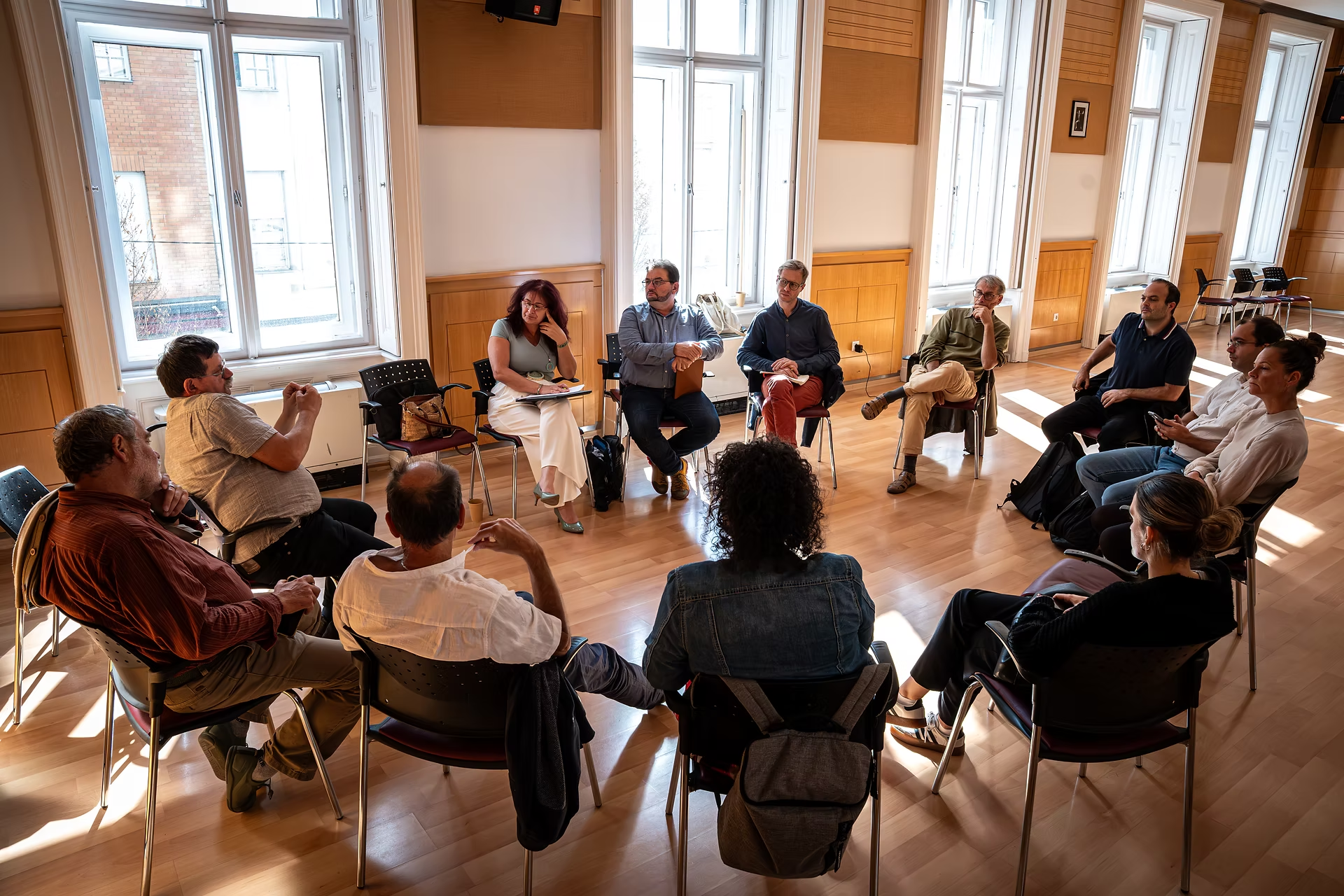
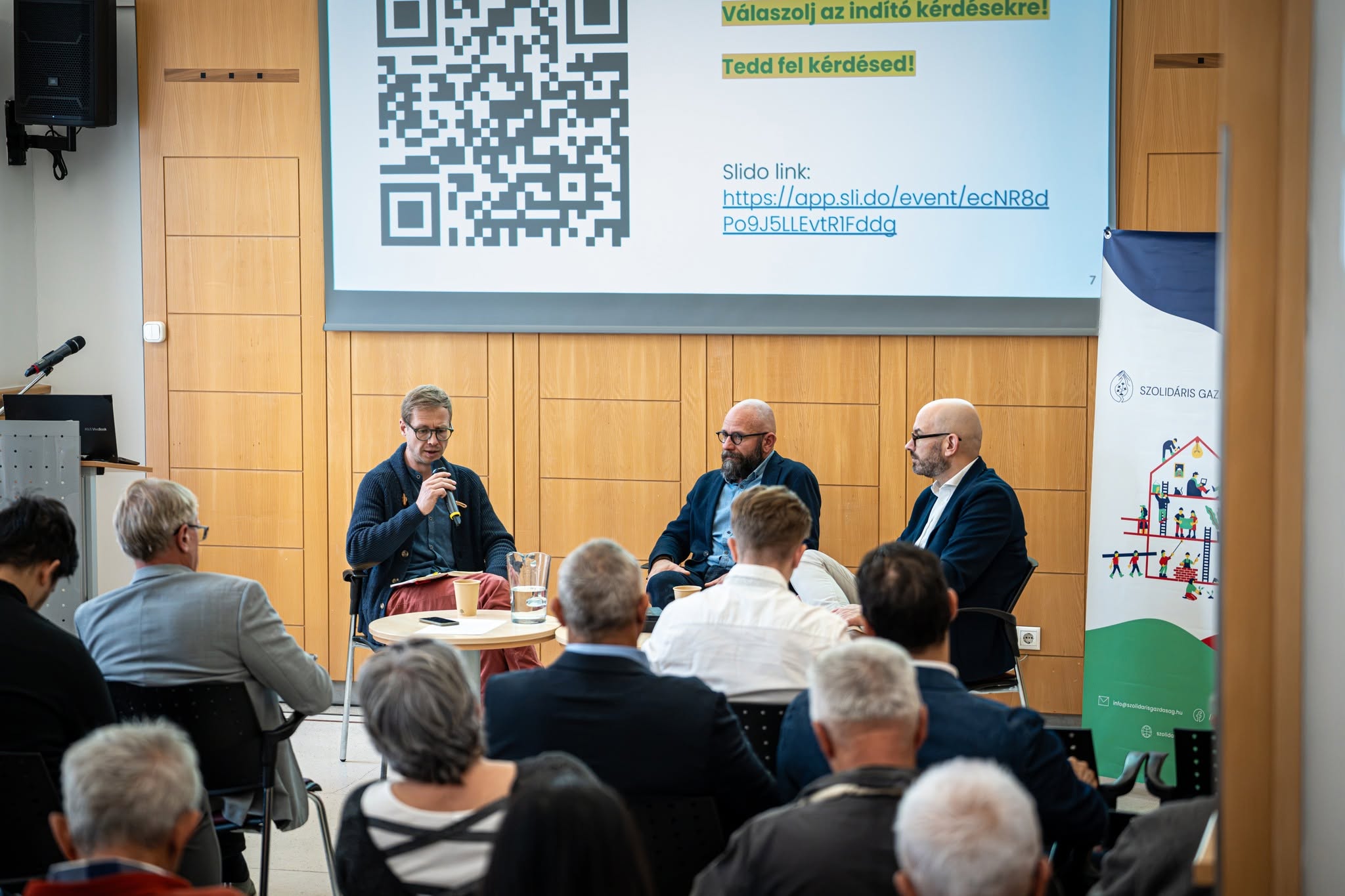
Our partners also contributed directly to the programme. Márton Fábók moderated the energy roundtable and co-led a World Café discussion on energy communities in apartment buildings and renovation opportunities. Dávid Gelencsér co-led a World Café discussion on community ownership and operation of renewable energy power plants.
Éger Ákos, President of the Hungarian Federation of Energy Communities, emphasised the need for a coherent policy framework, simpler administrative procedures and long-term support for community building, alongside investment in renewable energy technologies.
The conference highlighted that legal recognition and support for individual energy investments are not enough. Functioning energy communities require coherent policies, predictable regulation, adequate financing, professional support, community building and appropriate technological infrastructure.
The conference’s key message
- Legal recognition is not enough. Energy communities need to move beyond legal possibilities and support for individual energy investments to become functioning local initiatives.
- Communities must be able to produce, share, use and save energy. Their activities should enable meaningful participation and keep economic value within local communities.
- A coherent policy and regulatory framework is essential. Clear, predictable regulations and coordinated policy measures are needed to support energy communities.
- Long-term support and financing are necessary. Communities need adequate funding, professional assistance, community building and appropriate technological infrastructure to establish and sustain their activities.
- The energy transition is also a social process. Residents, municipalities and other local actors should become active participants in shaping the transition, rather than remaining only energy consumers.

See the other article
October 28 - 2026
ENERGY4ALL? Public talks and panel discussion on Positive Energy Districts in Stavanger and Europe!
The ENERGY4ALL project hosts European partners for a consortium meeting to close three years of successful collaborative research and innovation on Positive Energy Districts, or PEDs. Across Norway, Austria, Italy and Hungary, we have piloted and researched PEDs as part of growing momentum for renewable energy communities in European cities and neighbourhoods.
October 28 - 2026
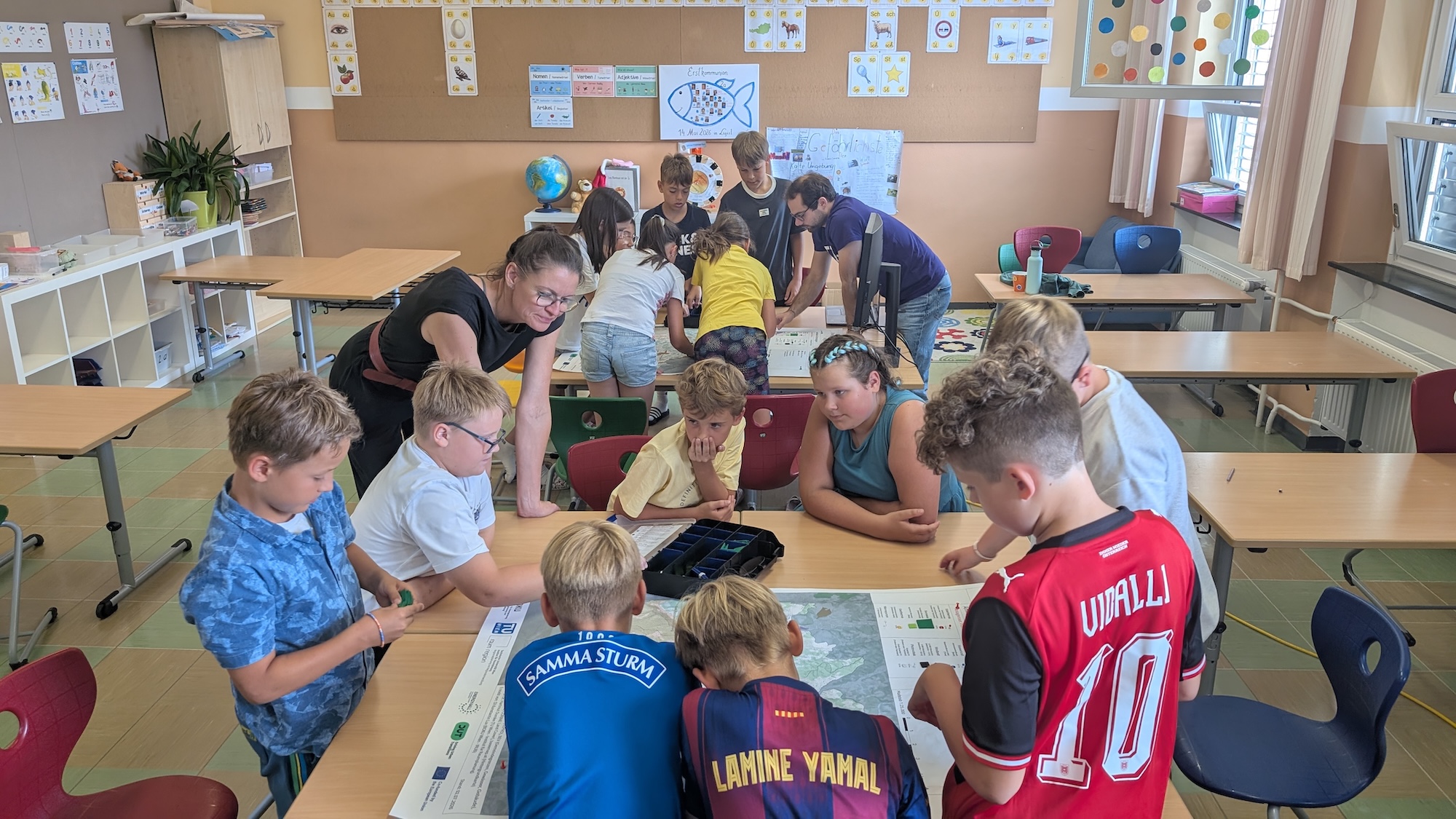
Understanding the Energy Transition: A Playful Approach to Expanding Renewable Energy
This article describes a playful approach to getting familiar with different renewable energy technologies, the selection of suitable or possible sites, and the energy demand of Austrian municipaliti
October 21 - 2026
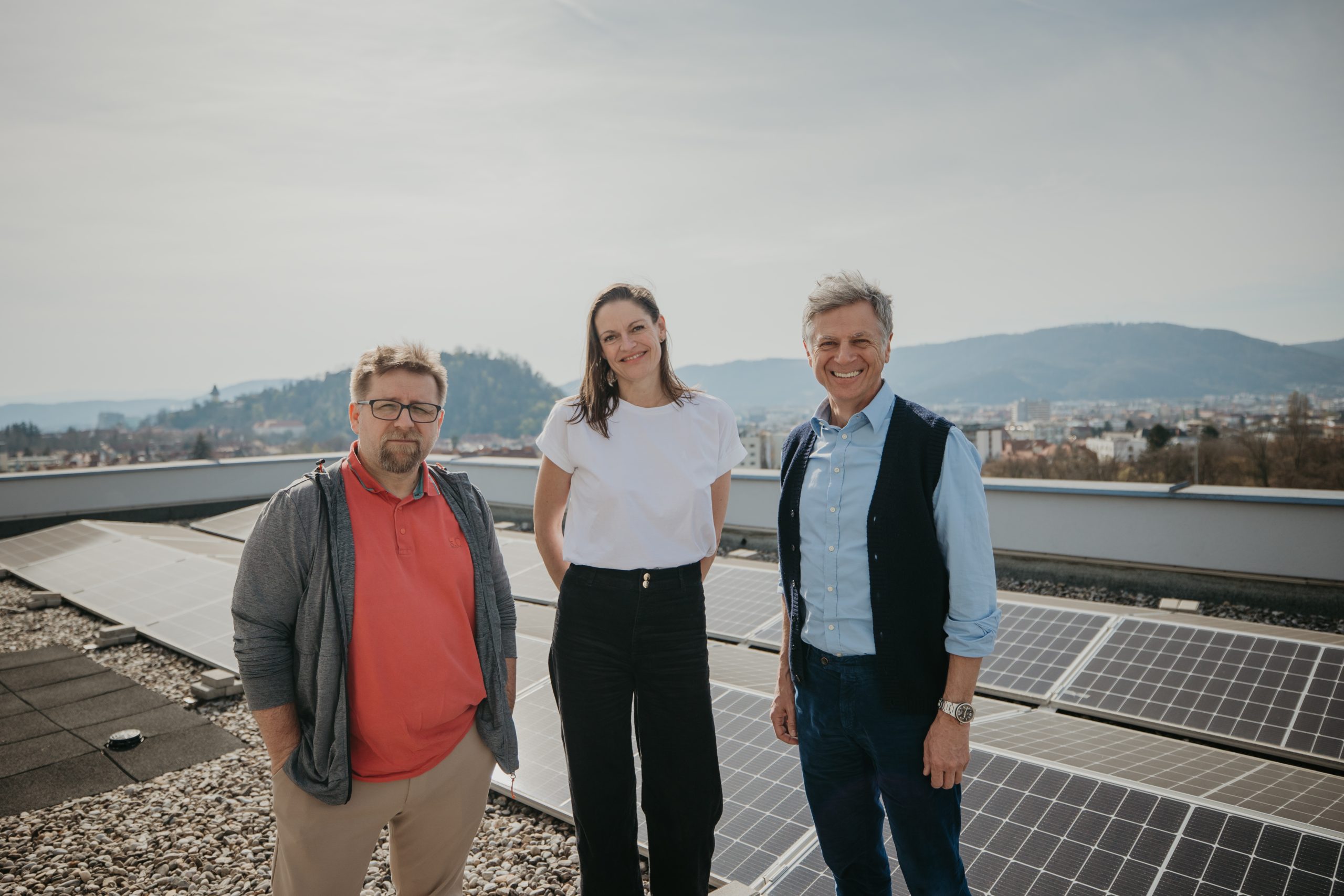
What It’s Like Working with Energy Communities in Austria: An Insider’s View with Cornelia Desimini
Cornelia Desimini, deputy chair of EEG Verbund Lipizzanerheimat, explains how Austrian energy communities keep money in the region, and why their biggest challenge is finding enough consumers and a more diverse membership.
September 14 - 2026
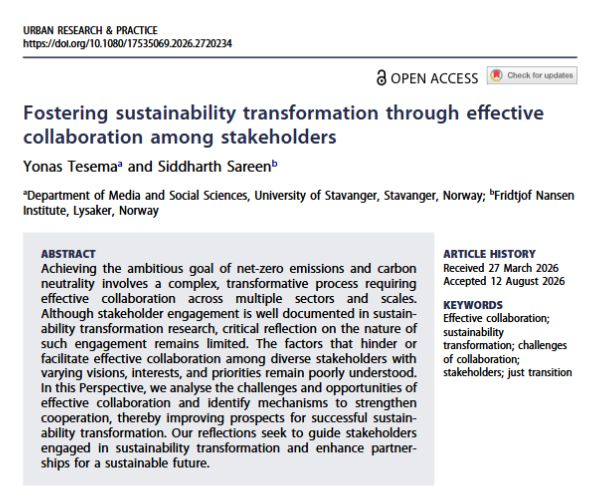
New policy article
Fostering sustainability transformation through effective collaboration among stakeholders” explores how collaboration among stakeholders can support sustainability transformation, and what factors enable or hinder effective collaboration and collective action.
July 22 - 2026
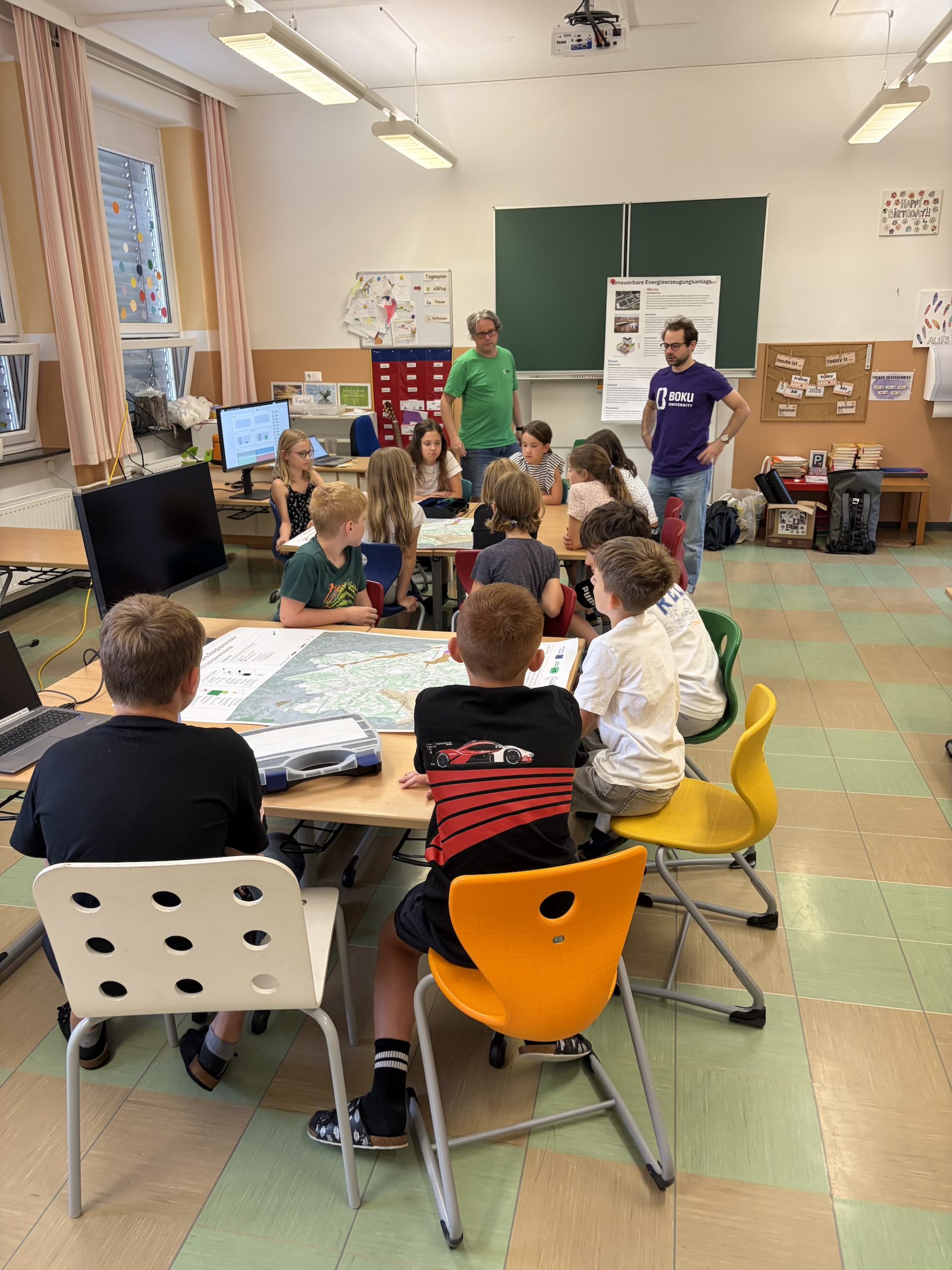
The Energy Transition Game empowers kids for a sustainable future – Workshops by BOKU & Austrian ECs schools
The "Energy Transition Game" transformed the elementary school in Ligist, Styria, into a renewable energy hotspot through workshops developed by BOKU University as part of Energy4all, focusing on knowledge transfer, raising awareness and community building among children, teachers and parents.
March 11 - 2026
The Human Cost of Net-Zero: Analyzing Stavanger’s Hillevåg PED Project
Stavanger’s Hillevåg Positive Energy District aims to produce a surplus of renewable energy while supporting climate-neutral urban living. However, the project also reveals socio-economic tensions between ambitious sustainability goals and local concerns about preservation and community impacts.



Share on