Transition Arenas — Systems Mapping Report
January 23 - 2026
ENERGY4ALL | Work Package 2 | Report by ABUD, written by Rebeka Balázs and Viktor Bukovszki | 16 January 2025
What makes an energy community really work? How do energy communities and energy-sharing initiatives operate as complex systems? And what shapes their performance and transferability across Europe?
This report presents the results of the systems mapping activities carried out within the framework of the ENERGY4ALL project, focusing on the socio-technical systems underlying the pilot innovations. As part of Work Package 2, Deliverable 2.2 aims to provide a structured, comparative analysis of how energy communities and related energy-sharing initiatives operate as complex systems shaped by interactions between social actors, technical infrastructures, economic incentives, and institutional frameworks. By applying systems thinking methods, the report seeks to uncover the key elements, relationships, and dynamics that influence both the performance of the pilots and the transferability of their innovations to other contexts.
At the core of this deliverable is the assumption that energy communities cannot be understood through isolated technical or economic parameters alone. Instead, they function as socio-technical systems in which outcomes emerge from the interplay of stakeholder interests, governance arrangements, behavioral patterns, regulatory environments, and technological configurations. Systems mapping provides a methodological approach to capture this complexity in a structured way. It supports a shared understanding among project partners and stakeholders of “what matters” in each pilot, how different factors influence one another, and where potential leverage points for intervention or replication may lie.
From local experience to systems insight
The report builds primarily on qualitative data collected through Transition Arena (TA) workshops conducted at pilot level, complemented by structured questionnaires filled in by pilot teams and a subsequent review and synthesis process. These participatory methods were designed not only to collect information, but also to actively involve local stakeholders in reflecting on their own systems, thereby grounding the analysis in lived experience and contextual knowledge. Two closely connected analytical components structure the systems mapping work presented here: stakeholder mapping and causal loop diagramming.
Mapping the actors who shape each pilot
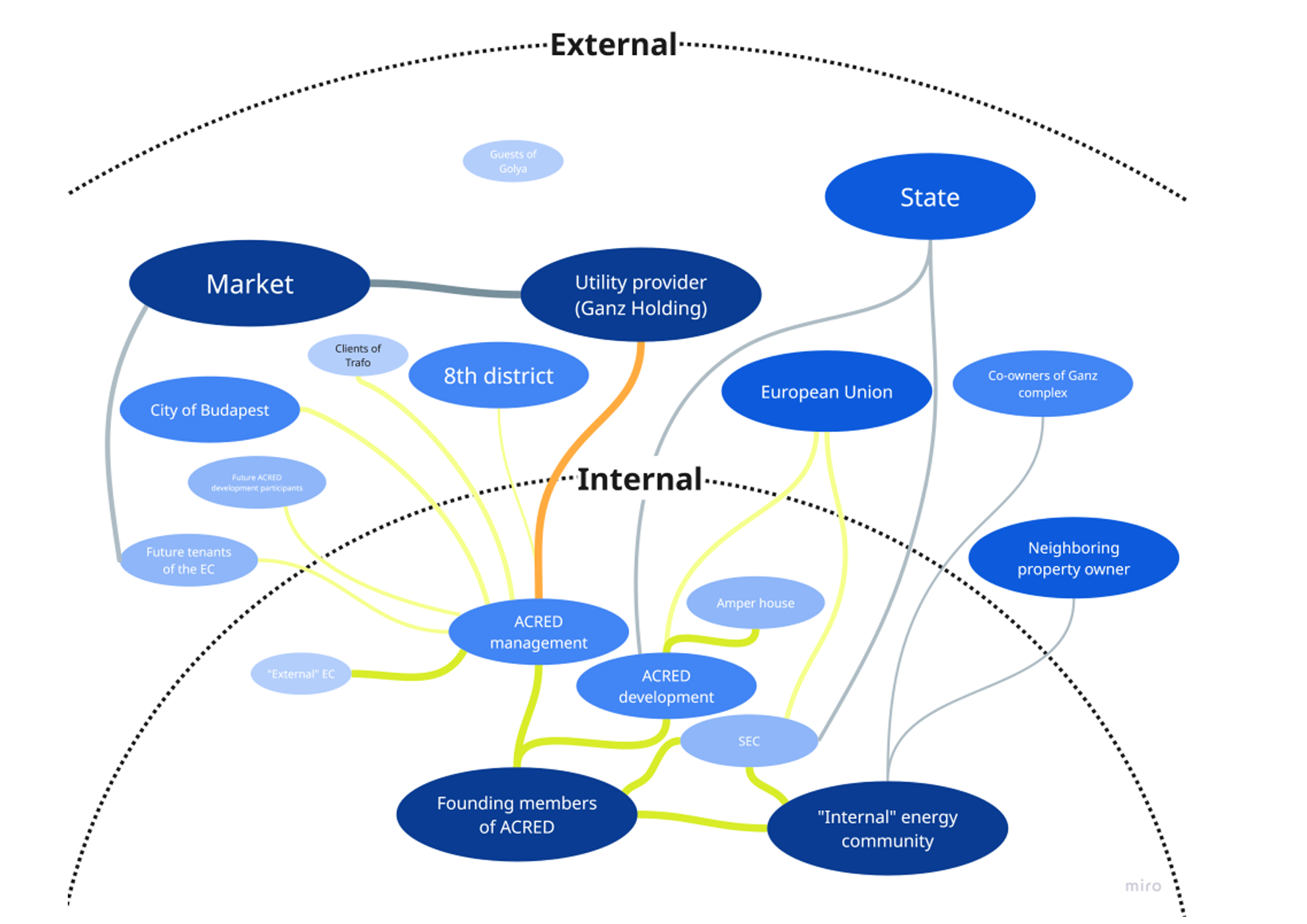
The first main part of the report focuses on stakeholder mapping. It documents how relevant actors were identified, categorized, and analyzed in each pilot with respect to their roles, interests, influence, expectations, and relationships. Stakeholder mapping is treated as a foundational step for systems analysis, defining the social boundaries of the system and identifying key drivers, enablers, and constraints. The report details the data collection process, the qualitative analytical strategy applied (including coding and review procedures) and presents pilot-level results that highlight similarities and differences in stakeholder configurations across national and institutional contexts.
Understanding the dynamics behind performance
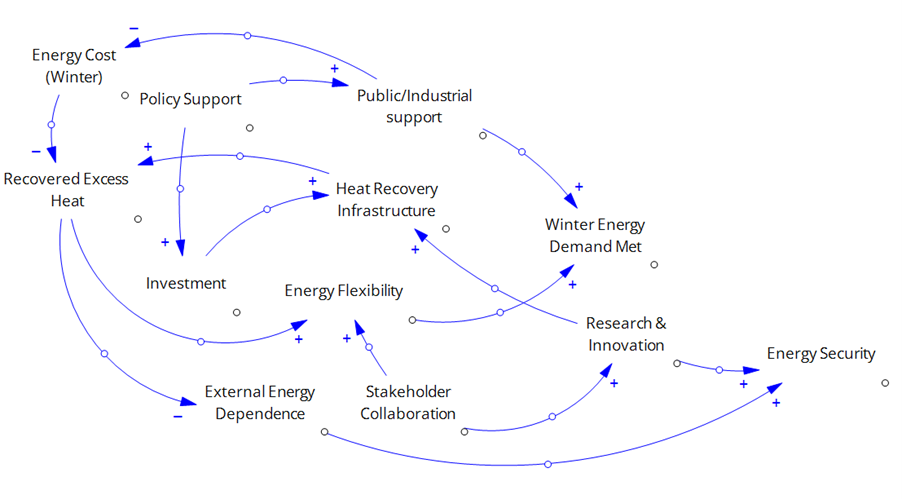
Building on this foundation, the second major part of the report introduces the use of Causal Loop Diagrams (CLDs) as a systems thinking tool to model dynamic interactions within each pilot. CLDs are used to visualize how variables identified by stakeholders are causally linked, to distinguish between drivers and outcomes, and to reveal reinforcing and balancing feedback loops. For each pilot case, the report presents and interprets the resulting CLDs, emphasizing how socio-technical dynamics shape energy-related outcomes such as participation, investment, energy demand, or system resilience.
From pilots to transferability
The final sections of the report provide a cross-case comparison of the systems mapping results, identifying recurring patterns, contextual specificities, and key insights relevant for transferability and upscaling. By synthesizing stakeholder structures and causal dynamics across pilots, the report contributes to a deeper understanding of energy communities as socio-technical systems and lays the groundwork for subsequent analytical and strategic tasks within the ENERGY4ALL project.
See the other article
October 28 - 2026
ENERGY4ALL? Public talks and panel discussion on Positive Energy Districts in Stavanger and Europe!
The ENERGY4ALL project hosts European partners for a consortium meeting to close three years of successful collaborative research and innovation on Positive Energy Districts, or PEDs. Across Norway, Austria, Italy and Hungary, we have piloted and researched PEDs as part of growing momentum for renewable energy communities in European cities and neighbourhoods.
October 28 - 2026
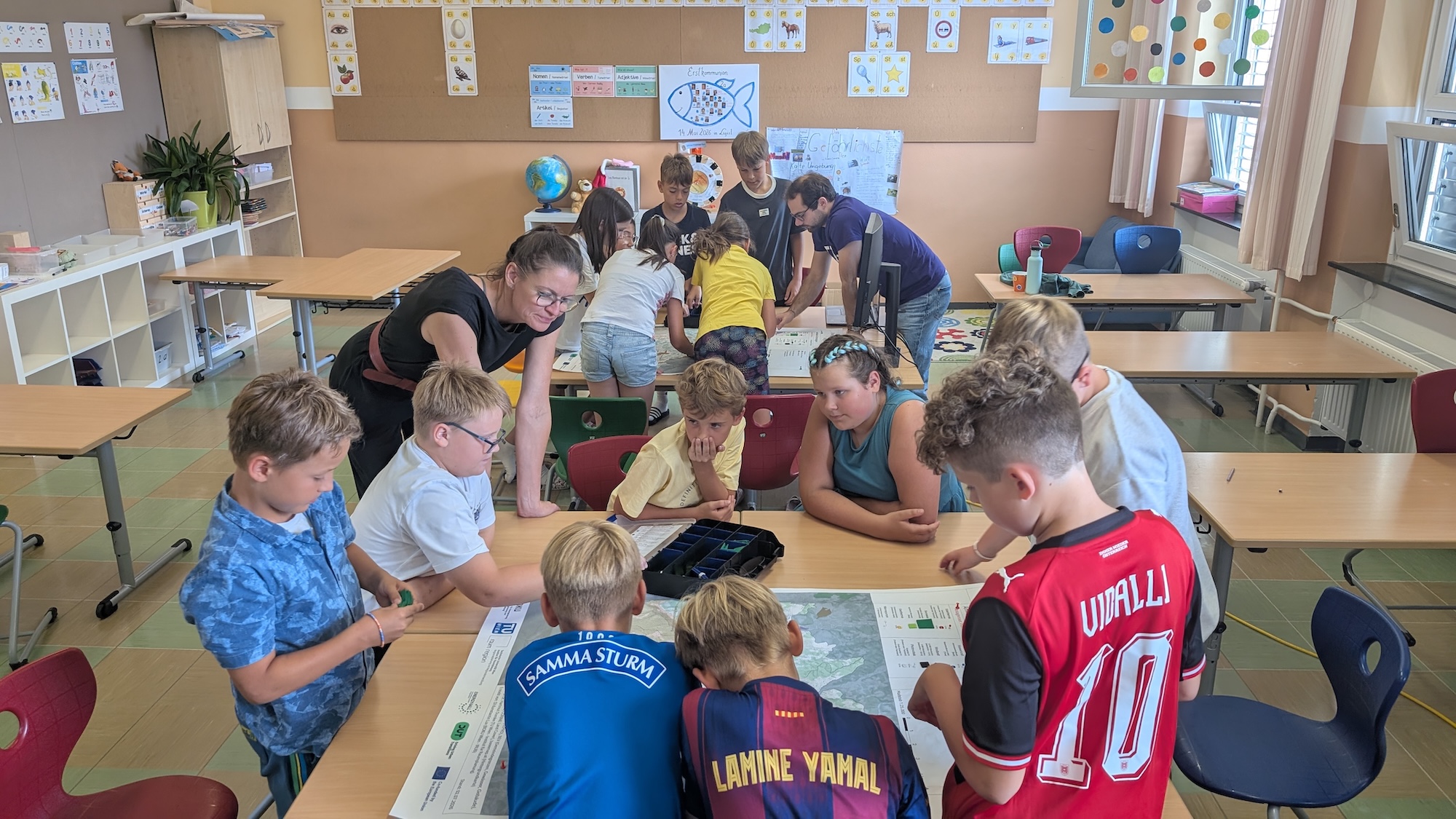
Understanding the Energy Transition: A Playful Approach to Expanding Renewable Energy
This article describes a playful approach to getting familiar with different renewable energy technologies, the selection of suitable or possible sites, and the energy demand of Austrian municipaliti
October 21 - 2026
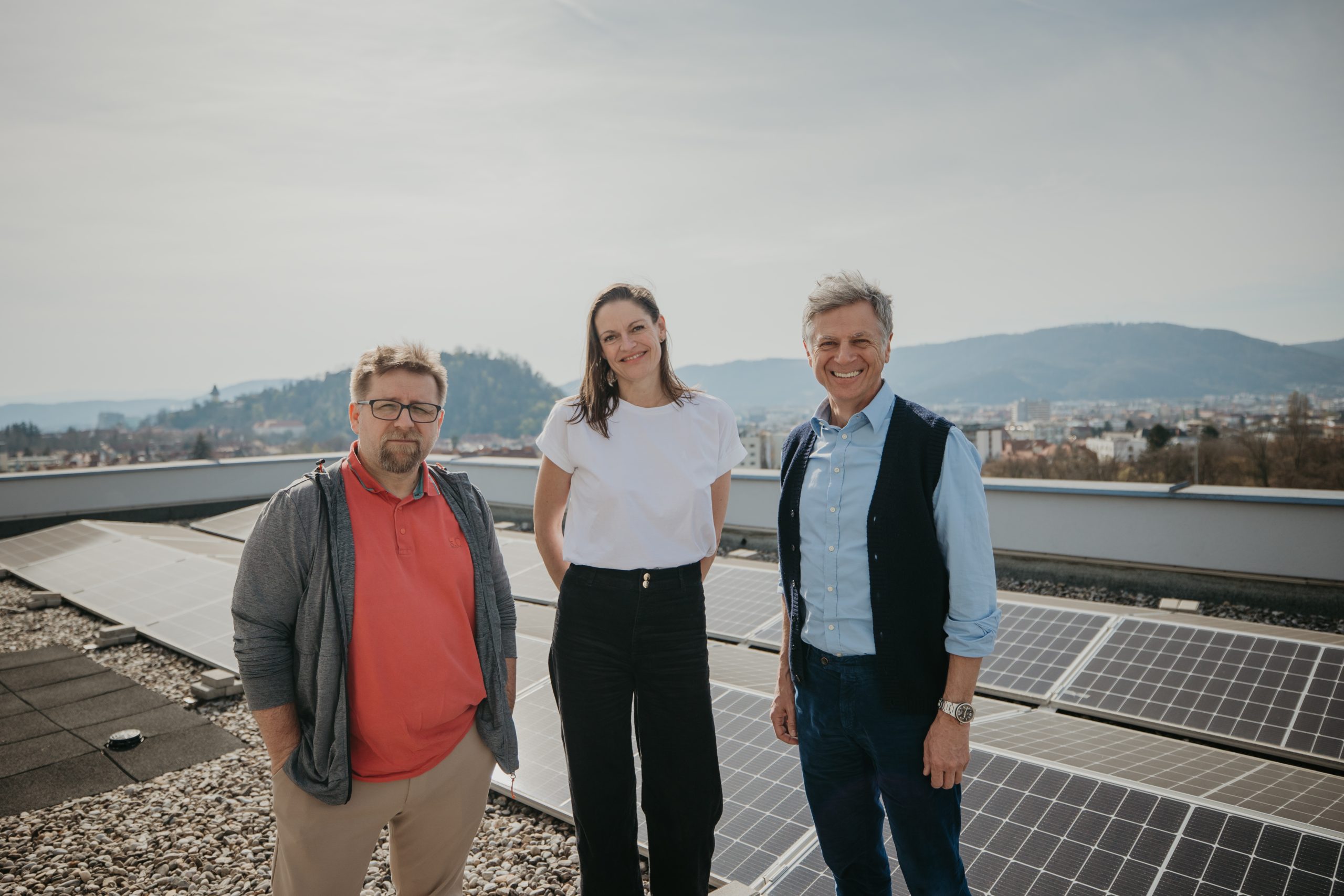
What It’s Like Working with Energy Communities in Austria: An Insider’s View with Cornelia Desimini
Cornelia Desimini, deputy chair of EEG Verbund Lipizzanerheimat, explains how Austrian energy communities keep money in the region, and why their biggest challenge is finding enough consumers and a more diverse membership.
October 9 - 2026
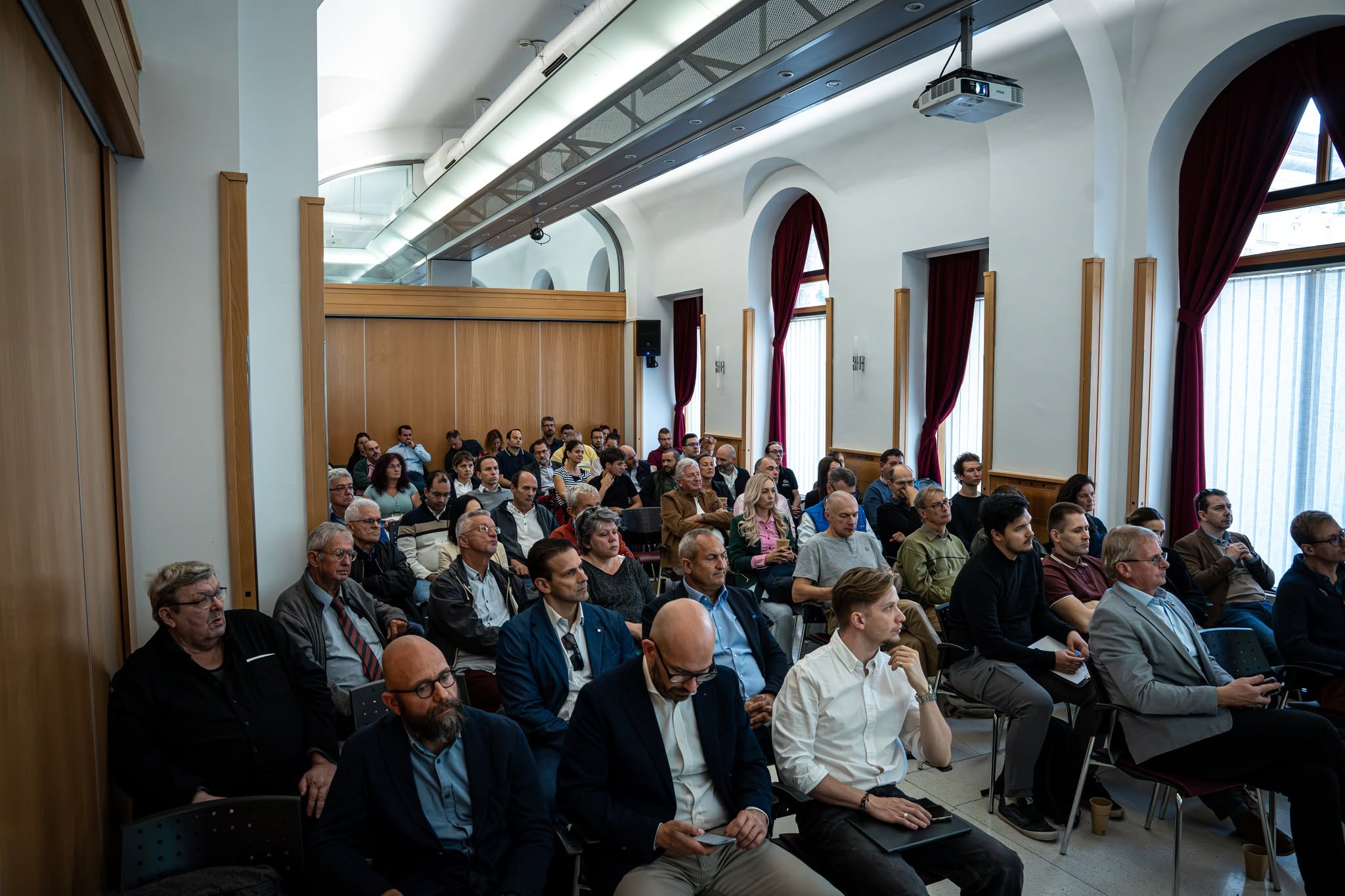
4th Energy Community Conference, Community Energy: New Opportunities?
On 7 October, our Energy4All partner, the Centre for Solidarity Economy (SZGK), co-organised the 4th Energy Community Conference, Community Energy: New Opportunities?, together with Transzformátor and the Hungarian Federation of Energy Communities.
September 14 - 2026
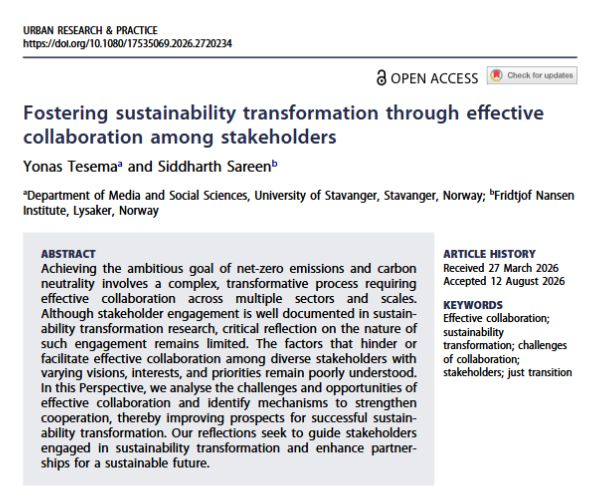
New policy article
Fostering sustainability transformation through effective collaboration among stakeholders” explores how collaboration among stakeholders can support sustainability transformation, and what factors enable or hinder effective collaboration and collective action.
July 22 - 2026
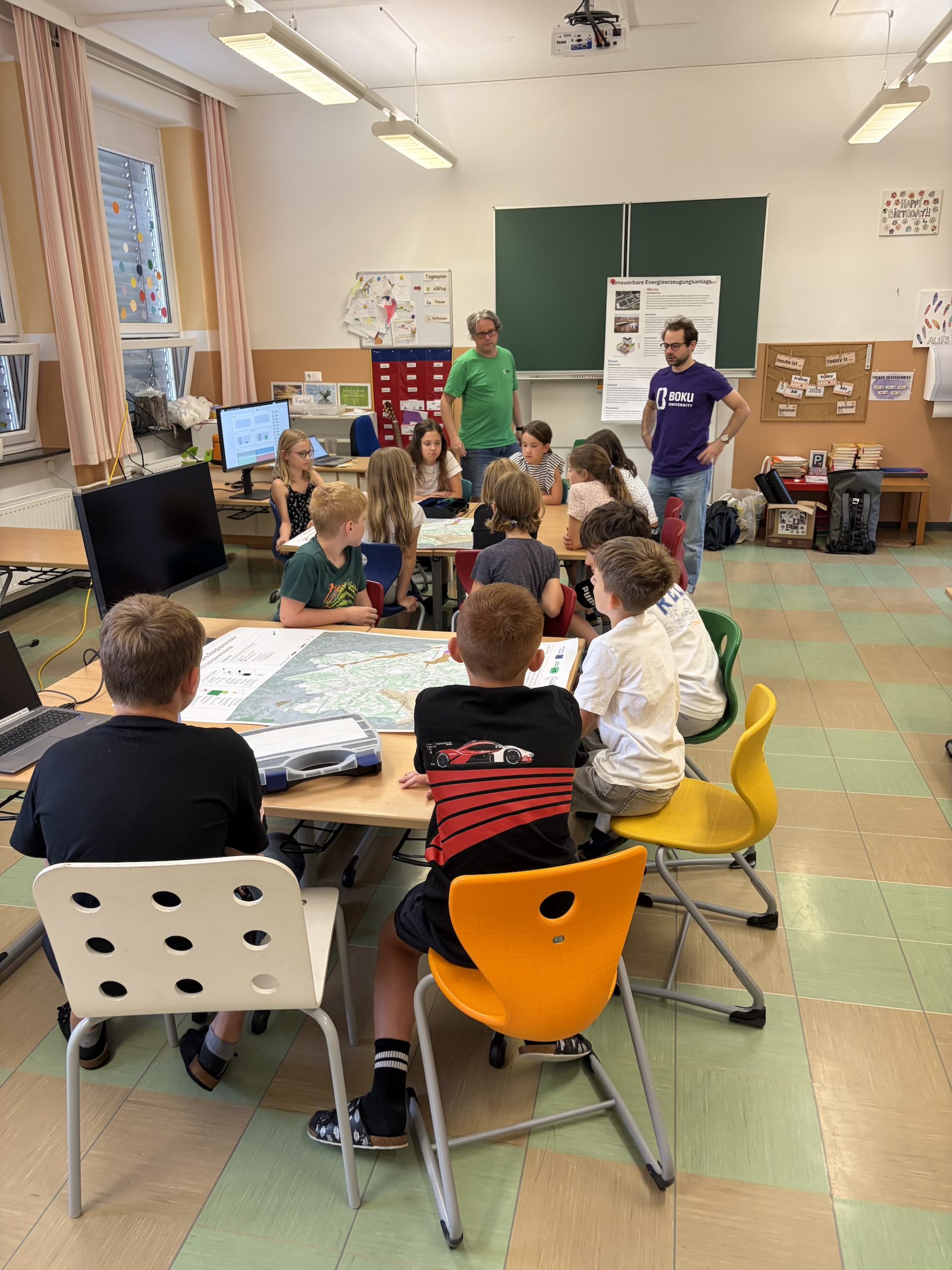
The Energy Transition Game empowers kids for a sustainable future – Workshops by BOKU & Austrian ECs schools
The "Energy Transition Game" transformed the elementary school in Ligist, Styria, into a renewable energy hotspot through workshops developed by BOKU University as part of Energy4all, focusing on knowledge transfer, raising awareness and community building among children, teachers and parents.



Share on