Mapping the Stakeholders of the Hungarian pilots
January 10 - 2025
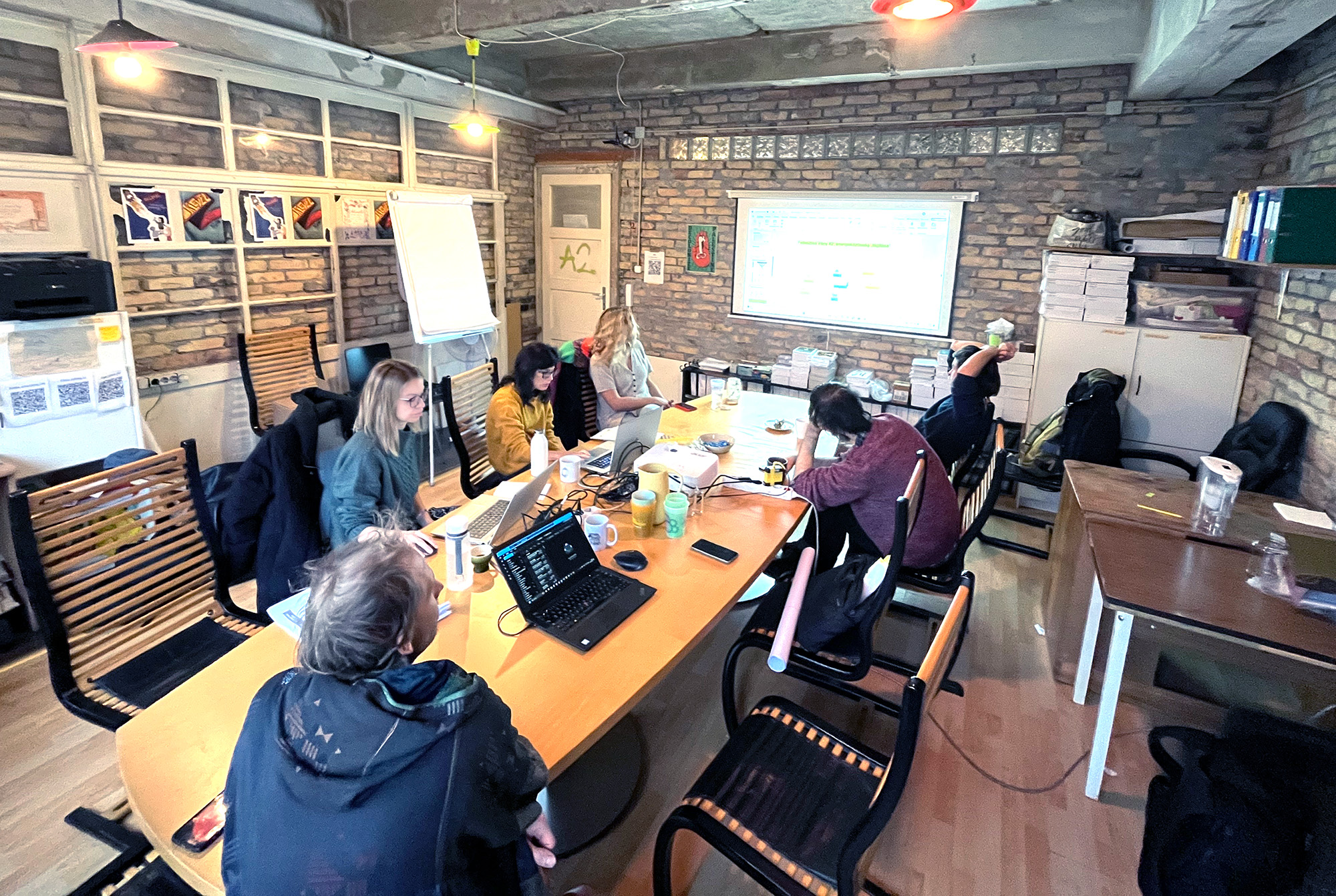
In December 2024, the first pilot-level workshop in Hungary was held at the Kazán Community Center in Budapest. Organized by ABUD and involving the Solidarity Economy Center (SEC) and the Municipality of Budapest alongside key members of the Kazán energy community, the workshop aimed to map and analyze stakeholders within the local energy ecosystem.
This effort was part of WP2: Micro Analysis: Assessment and Transferability led by ABUD, which focuses on Transition Arenas, Systems Mapping, Theories of Change, and Systems Change Roadmaps.
Workshop Objectives
The primary goal of the workshop was to define the vision of the Kazán energy community, and to identify and analyze the stakeholders who impact the energy community and those who are affected by it. For the energy community to flourish, it needs the support and participation of its key stakeholders. The aim is therefore to identify what specific stakeholders expect from the project, what their needs might be, what might prevent or motivate them to join, and what their relationship is with other stakeholders. This involved exploring the complex web of direct, indirect, and systemic relationships between stakeholders, examining power dynamics, incentives, and behaviors.
Key objectives included:
- Understanding stakeholders’ expectations of the project.
- Identifying potential barriers and motivators for stakeholder participation.
- Analyzing relationships among stakeholders to facilitate collaboration.
Additionally, the workshop aimed to gain insights into the typical energy behaviors of community members. These findings are crucial for ABUD’s research about the impact of social interactions on the energy consumption of the energy community.
Workshop Results
The workshop generated several valuable outcomes, including:
- Vision of the energy community
- Stakeholder Identification: A comprehensive list of actual and potential stakeholders within the energy community.
- Critical Stakeholders: Identification of key stakeholders requiring special attention to ensure the project’s success.
- Cooperation Analysis: An analysis of critical stakeholders to enable future collaborations.
- Energy Behavior Insights: A detailed description of typical energy behaviors among community members, along with strategies for influencing them.
Looking Ahead
The insights gathered will inform the next workshop, scheduled for the first quarter of 2025, and will contribute to building a shared knowledge base within the Kazán energy community. The session also facilitated knowledge exchange and set the groundwork for collaborative learning.
The methodology developed by ABUD for this workshop has been shared with the other pilots within the project to support their stakeholder mapping and engagement activities, ensuring a cohesive and transferable approach across initiatives.
See the other article
September 14 - 2026
New policy article
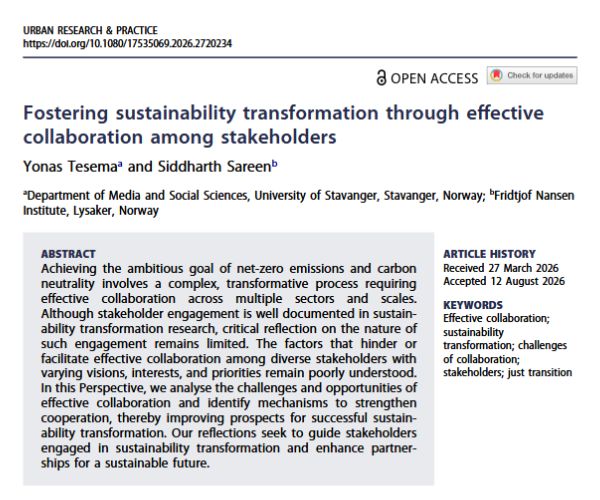
Fostering sustainability transformation through effective collaboration among stakeholders” explores how collaboration among stakeholders can support sustainability transformation, and what factors enable or hinder effective collaboration and collective action.
July 22 - 2026
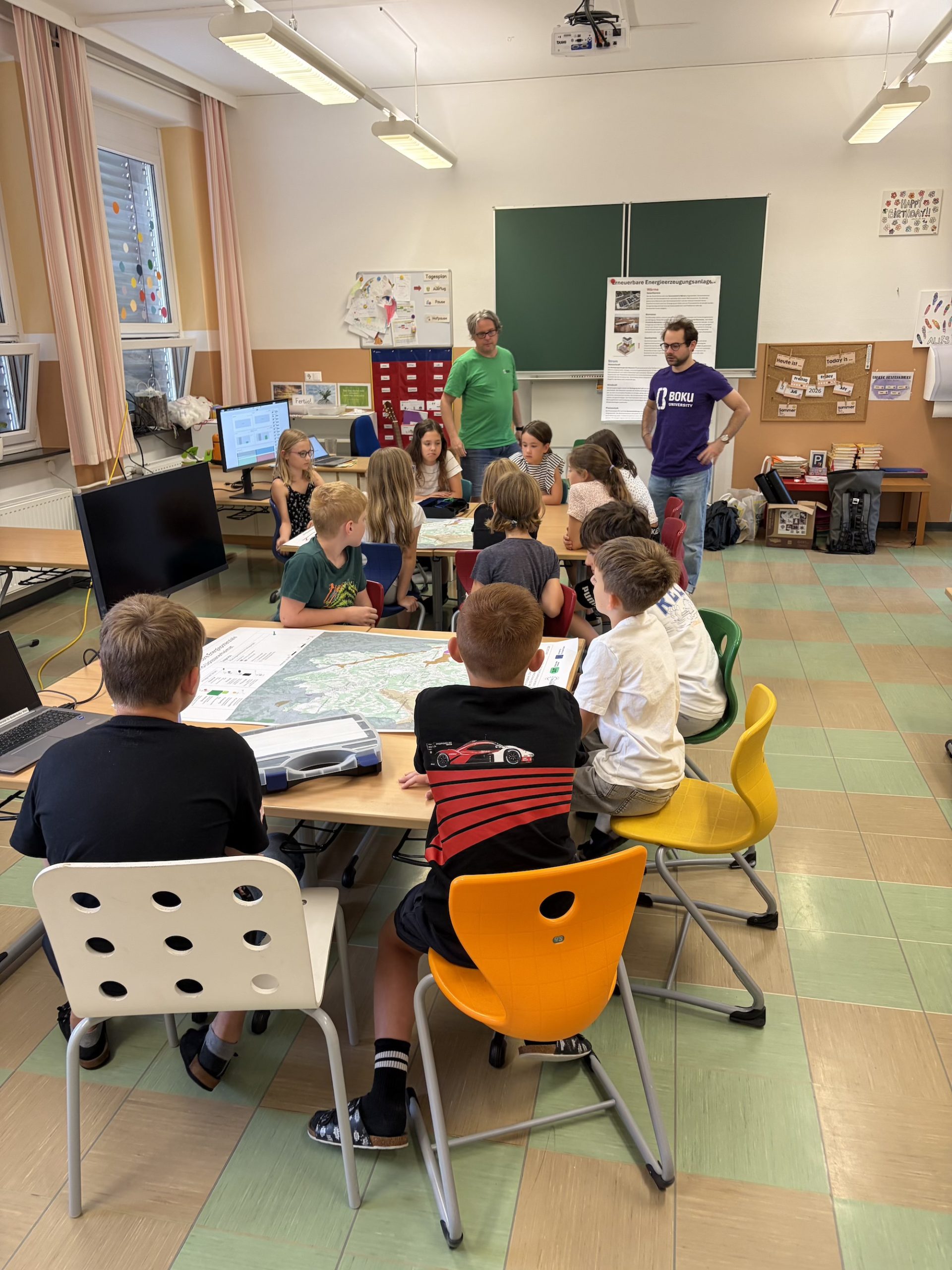
The Energy Transition Game empowers kids for a sustainable future – Workshops by BOKU & Austrian ECs schools
The "Energy Transition Game" transformed the elementary school in Ligist, Styria, into a renewable energy hotspot through workshops developed by BOKU University as part of Energy4all, focusing on knowledge transfer, raising awareness and community building among children, teachers and parents.
March 11 - 2026
The Human Cost of Net-Zero: Analyzing Stavanger’s Hillevåg PED Project
Stavanger’s Hillevåg Positive Energy District aims to produce a surplus of renewable energy while supporting climate-neutral urban living. However, the project also reveals socio-economic tensions between ambitious sustainability goals and local concerns about preservation and community impacts.
February 20 - 2026
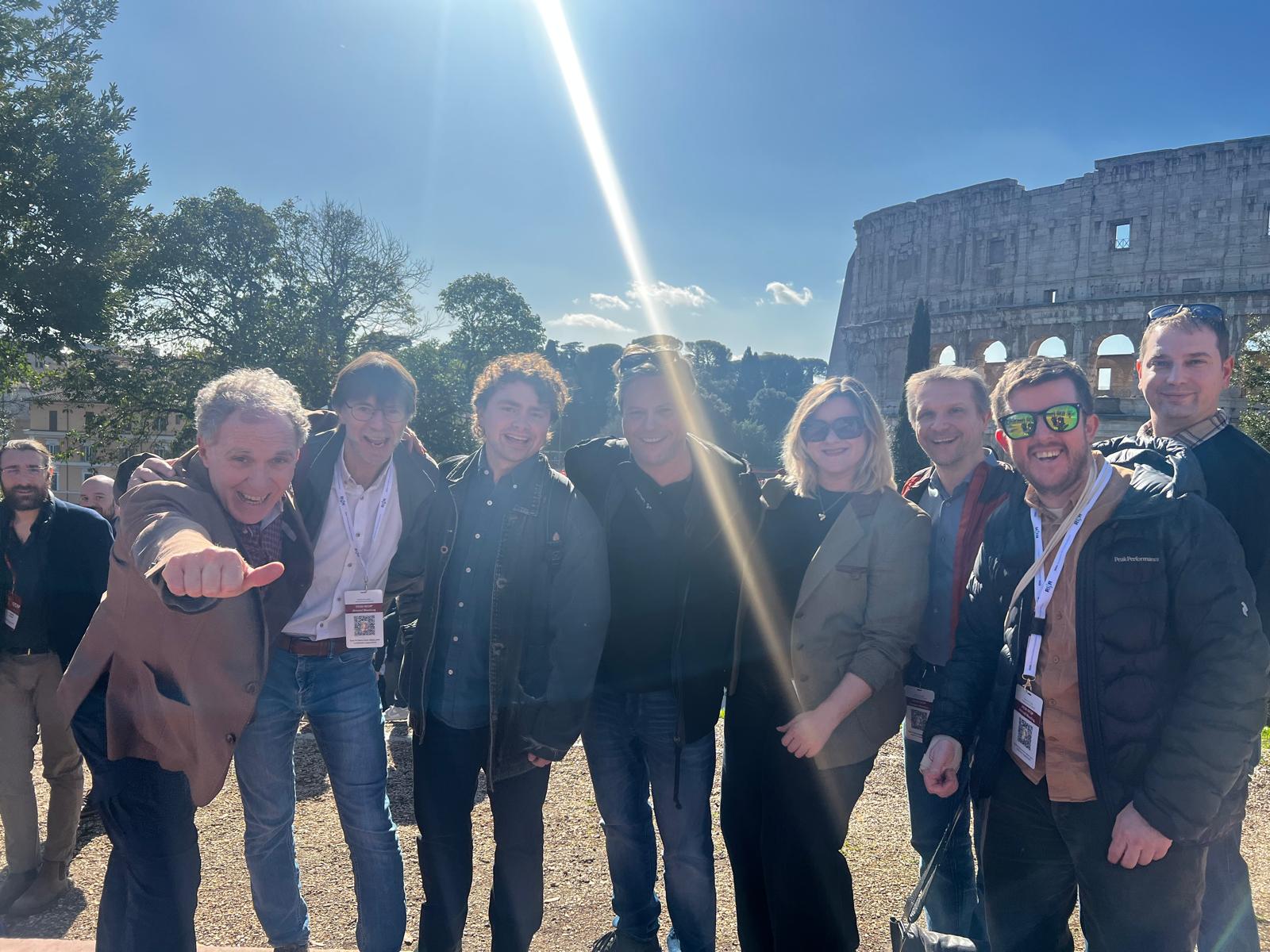
Key takeaways from the ENERGY4ALL consortium meeting in Rome
This year's consortium meeting in Rome was designed around participatory methodologies, including co-creation and gamification exercises, fostering an interactive and collaborative environment that encouraged collective reflection and forward-looking planning.
January 23 - 2026
Resource Analysis and Conceptual Planning of Co-Designed Interventions: Mid-Term Insights from Energy4All
The report offers a twofold contribution: a KPI-based evaluation framework and insights from the first co-design workshop held at Kazán on 23 April 2025.
January 23 - 2026
Transition Arenas — Systems Mapping Report
This report provides a structured, comparative analysis of how energy communities and related energy-sharing initiatives operate as complex systems shaped by interactions between social actors, technical infrastructures, economic incentives, and institutional frameworks.



Share on