Key takeaways from the ENERGY4ALL consortium meeting in Budapest
November 12 - 2024
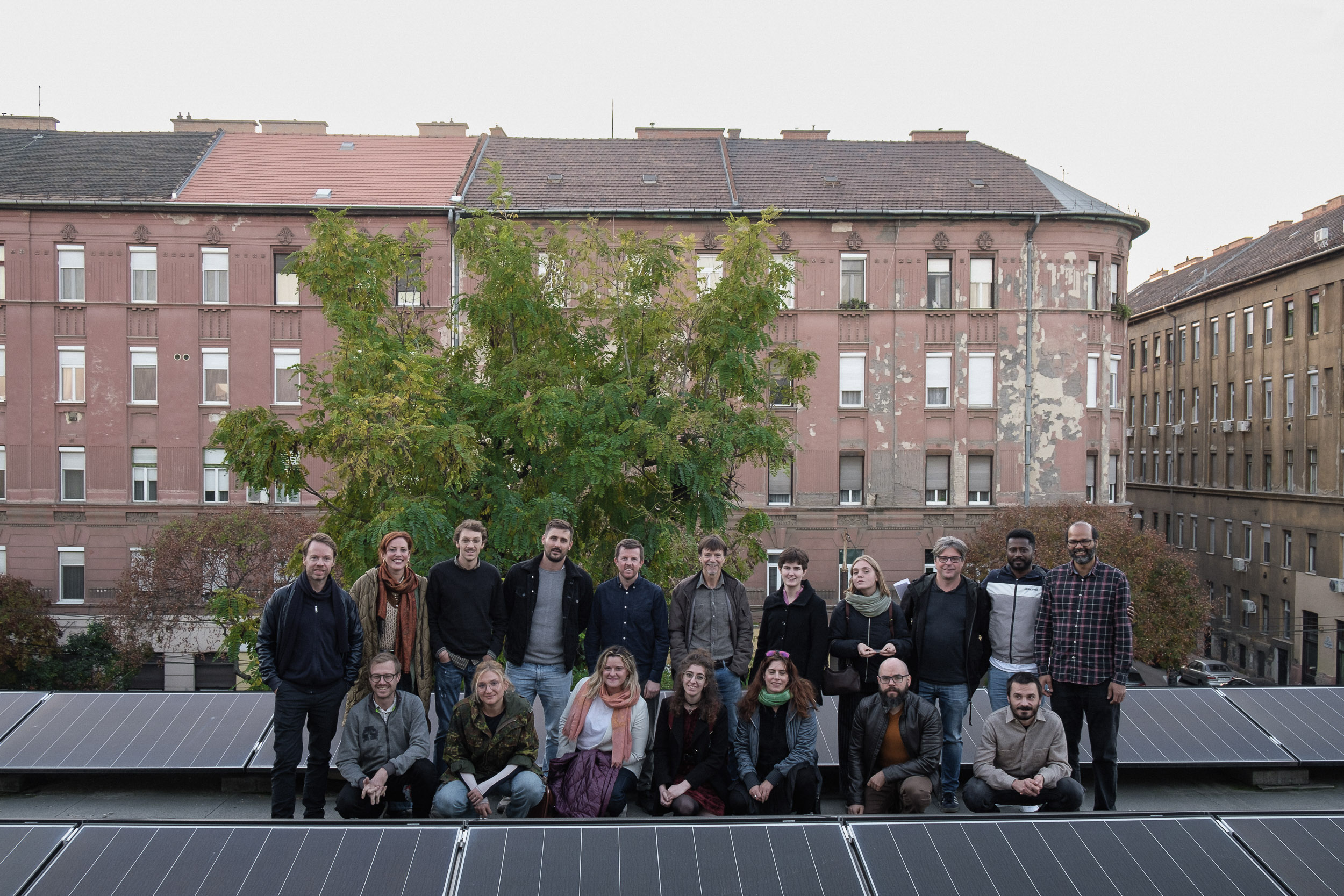
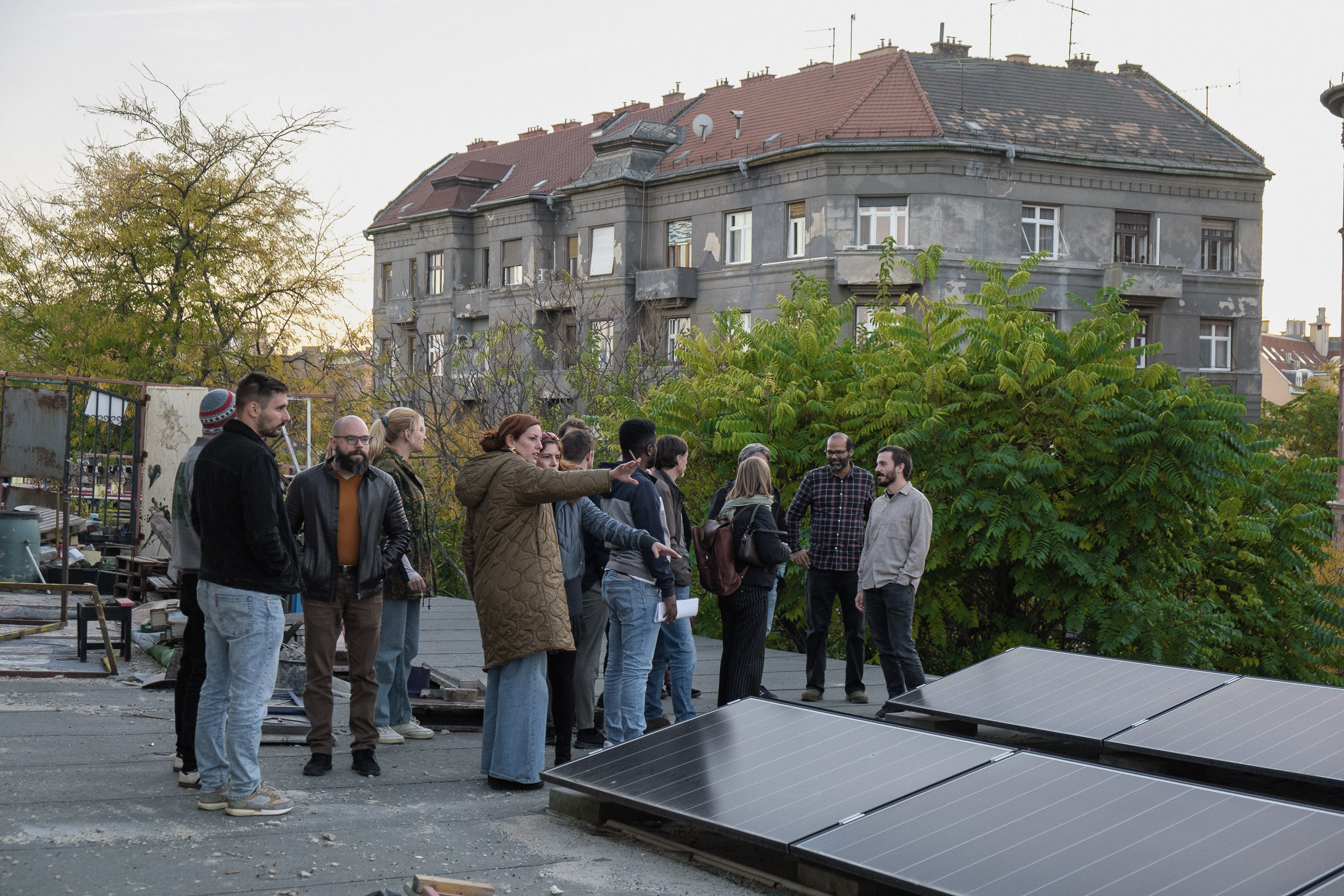
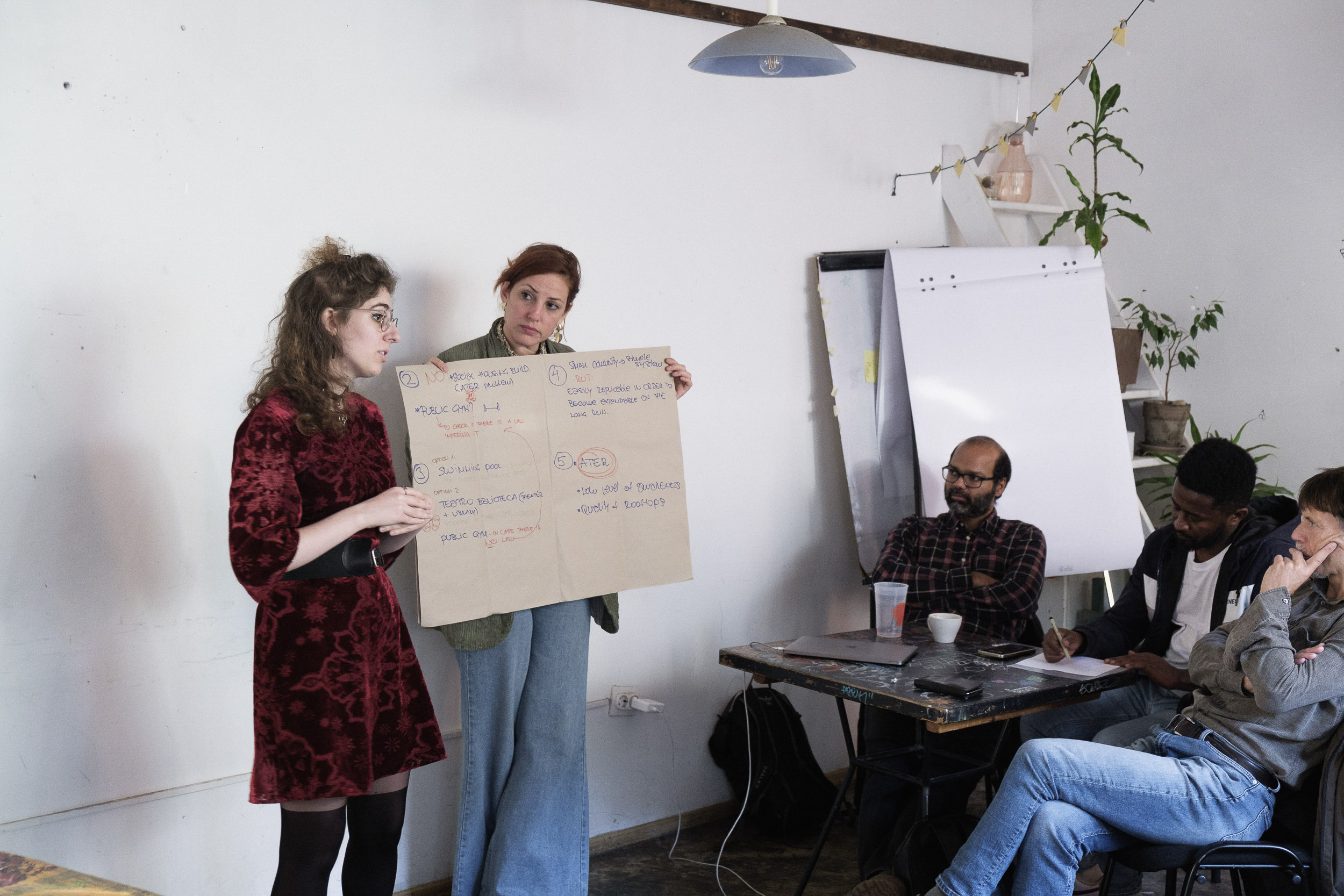
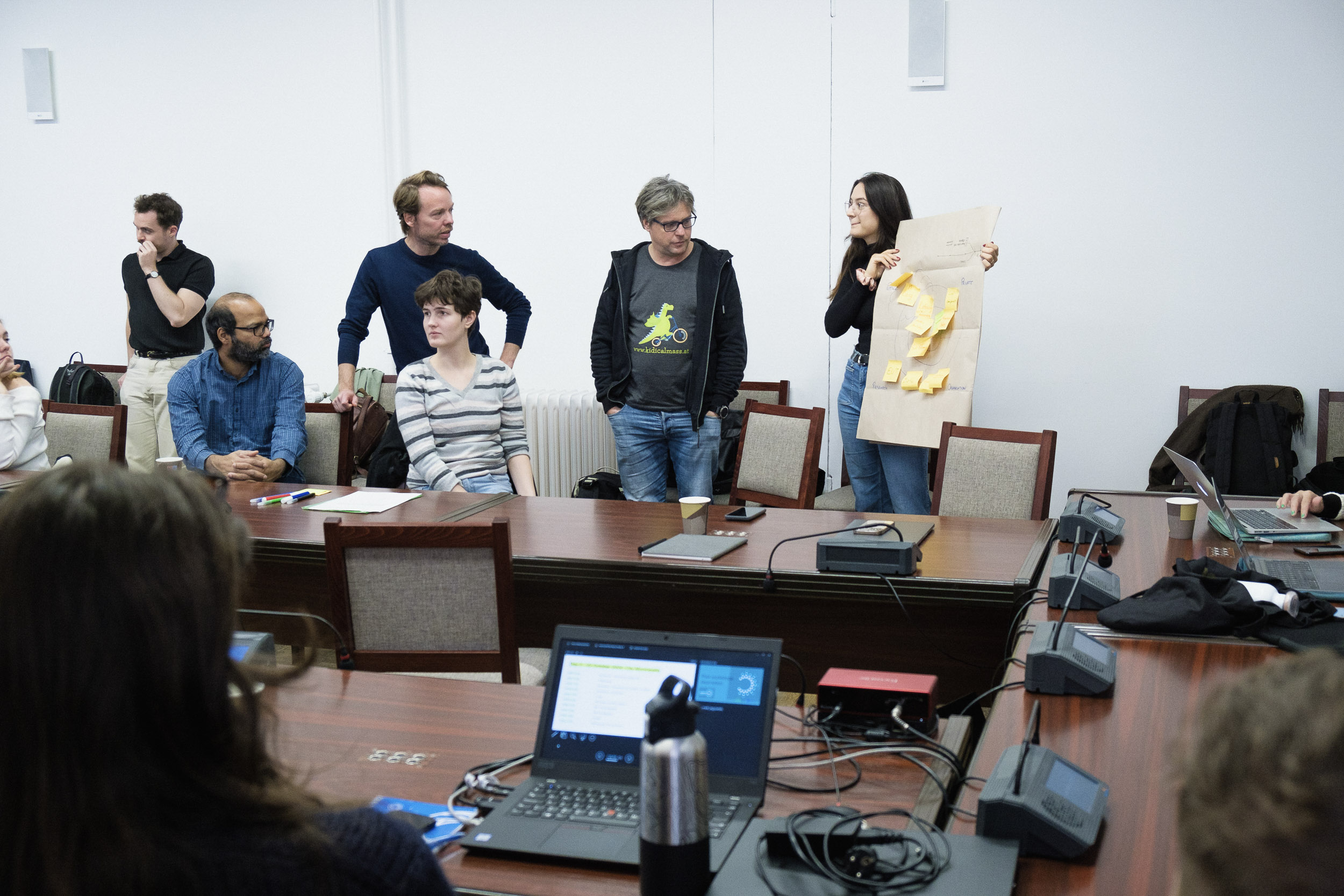
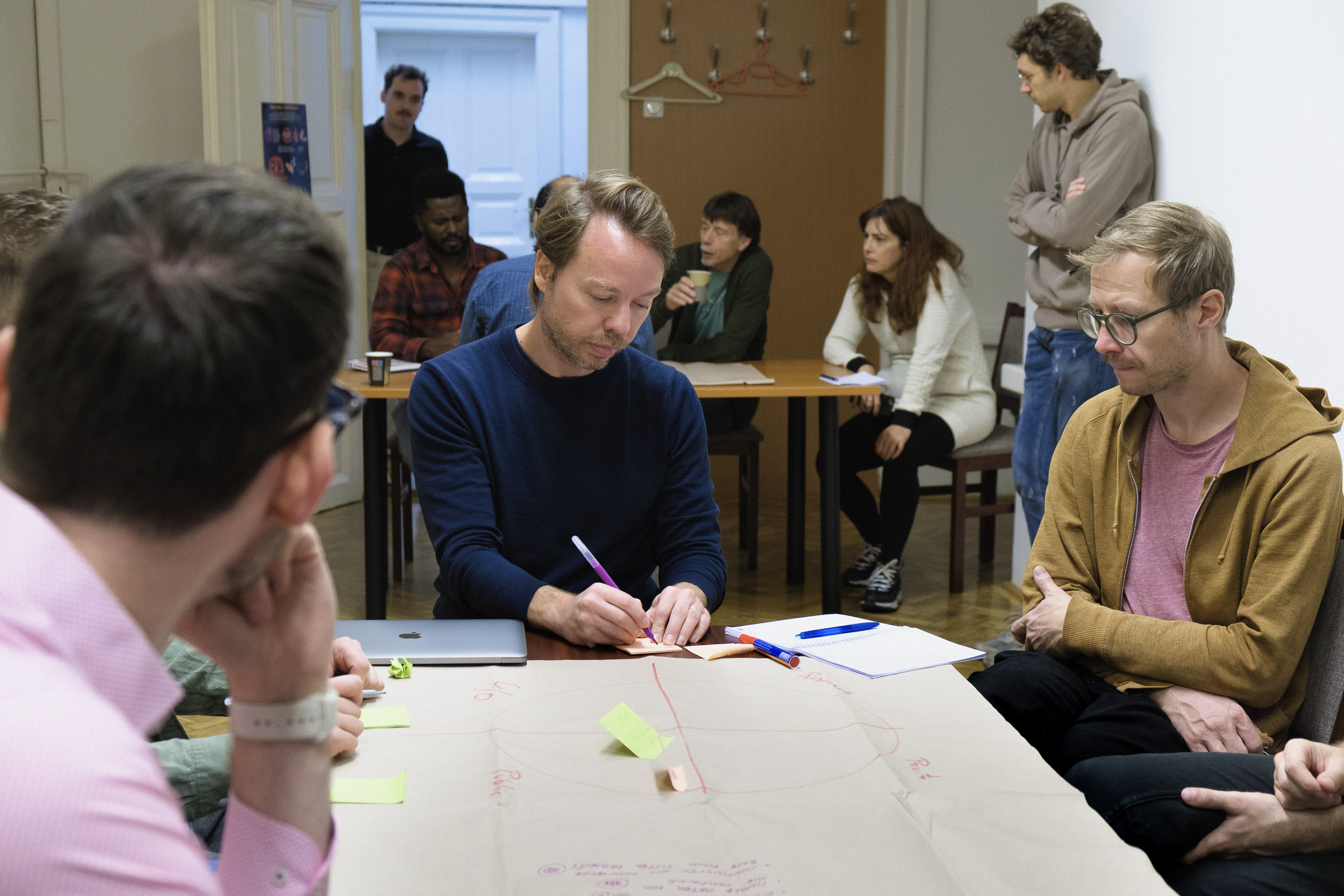
The ENERGY4ALL consortium gathered in Budapest on October 21-22, 2024, uniting partners from Austria, Hungary, Italy, and Norway to further the development of Positive Energy Districts (PEDs) and Energy Communities (ECs). Hosted at the Kazán Community Centre and Budapest Municipality, the meeting focused on resource mapping, community engagement, and establishing sustainable governance models.
We were thrilled to finally meet in person after months of virtual collaboration! It was an inspiring reminder of the power of teamwork and the incredible value of coming together to achieve our shared goals.
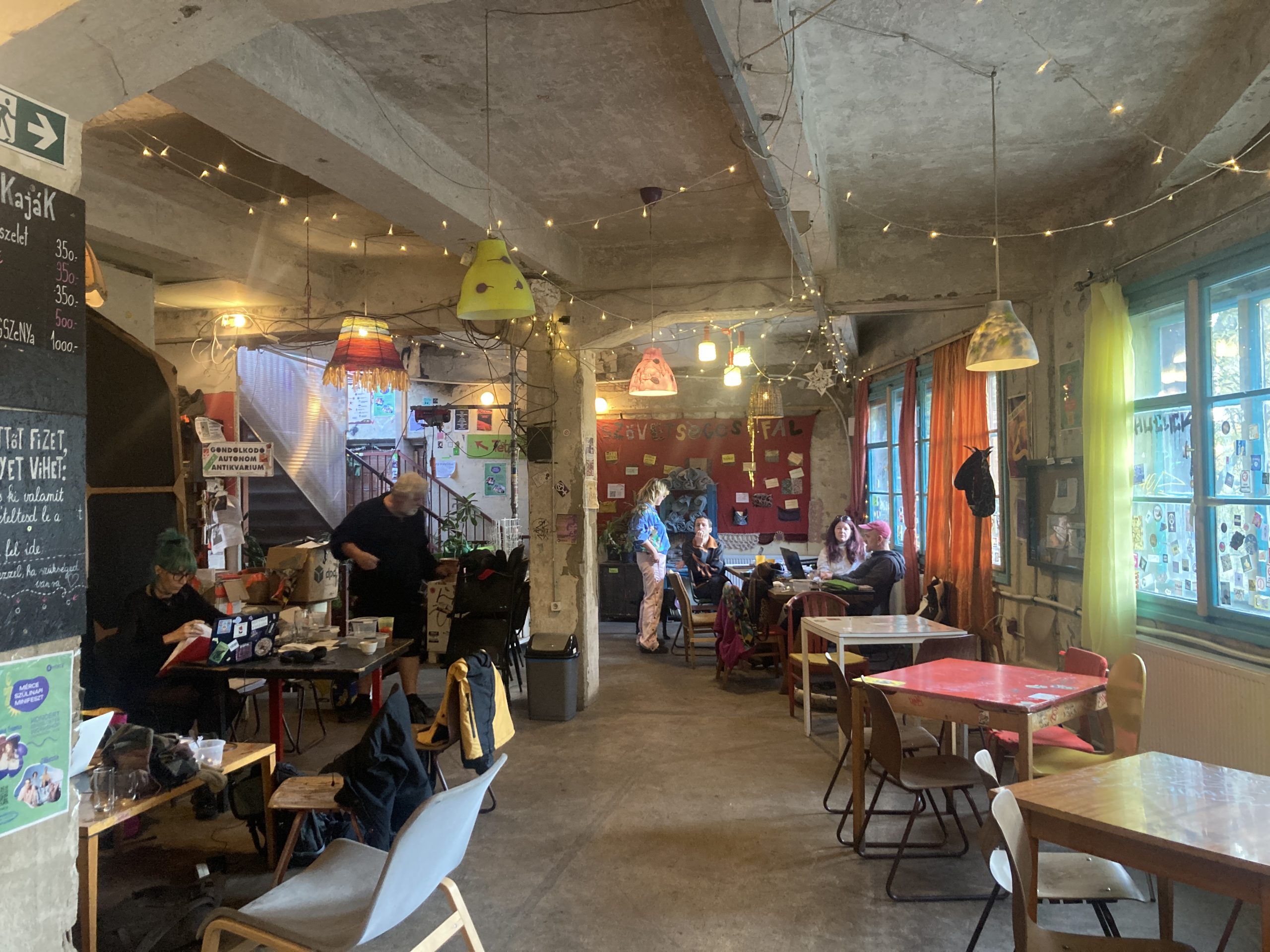
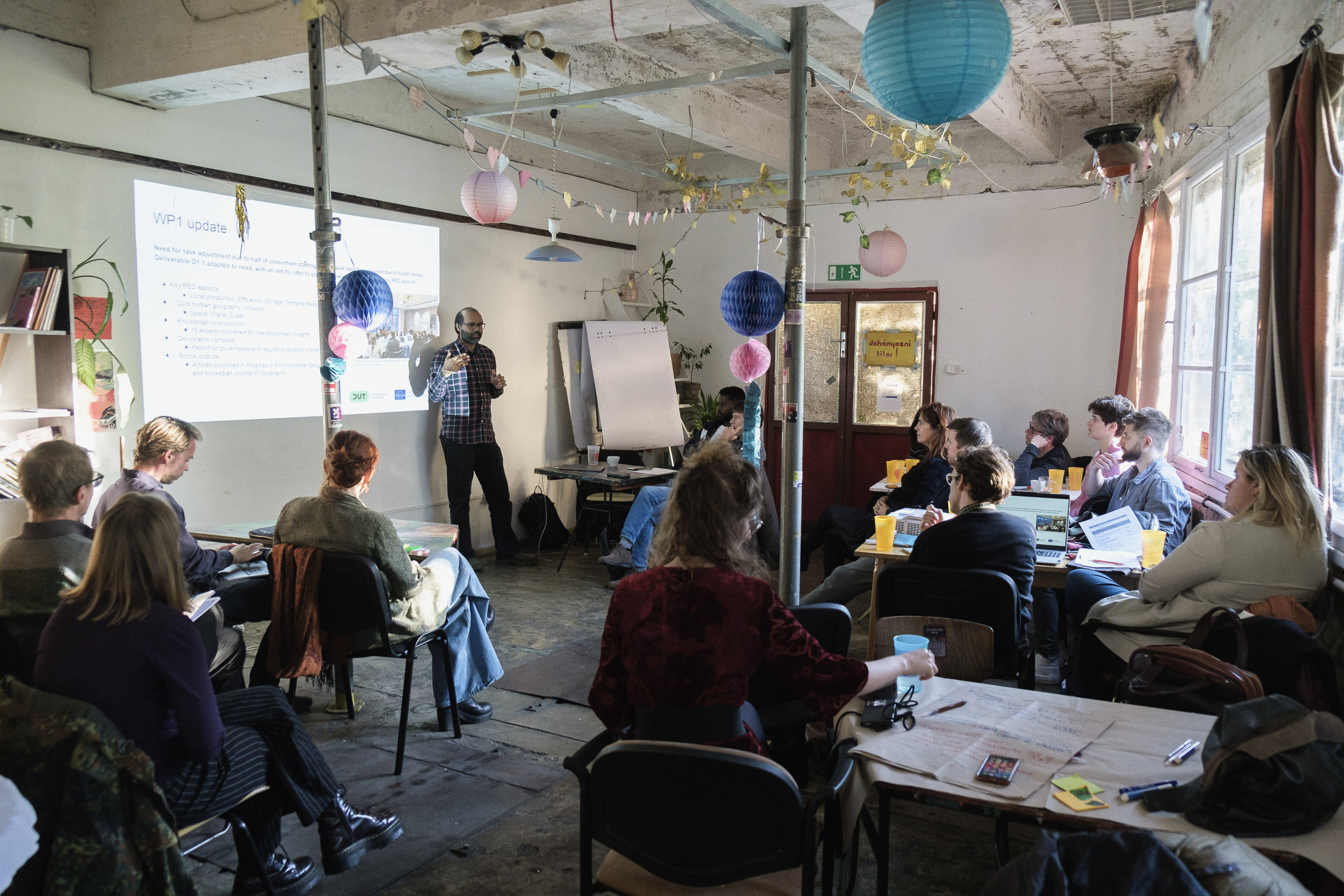
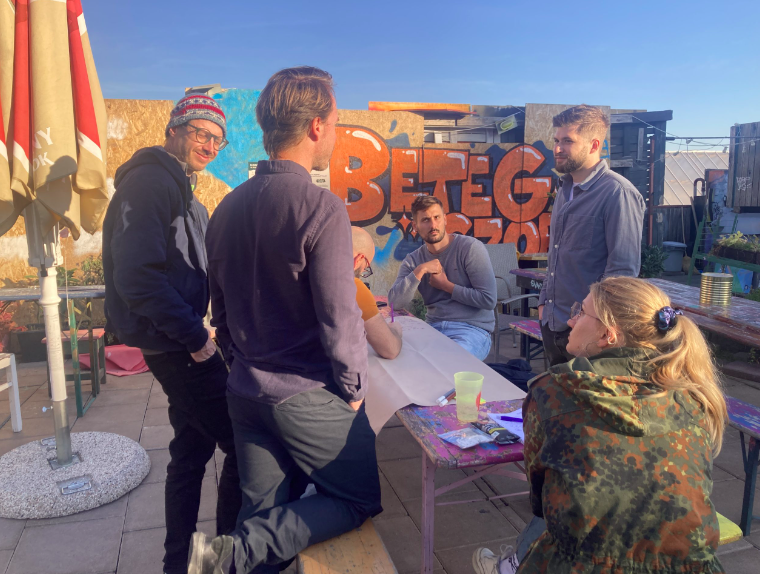
Defining Energy Communities and Mapping Resources
Throughout the meeting, we explored foundational questions to define what energy communities and PEDs mean within each unique context. Questions like “What are the main resources available?”, “Which resources are missing?”, and “How is energy produced, transported, and consumed in your pilot?” helped each team thoroughly assess their capacities and identify resource gaps. This workshop provided a strong foundation for understanding each pilot’s strengths and needs.
Strategies for Community Engagement
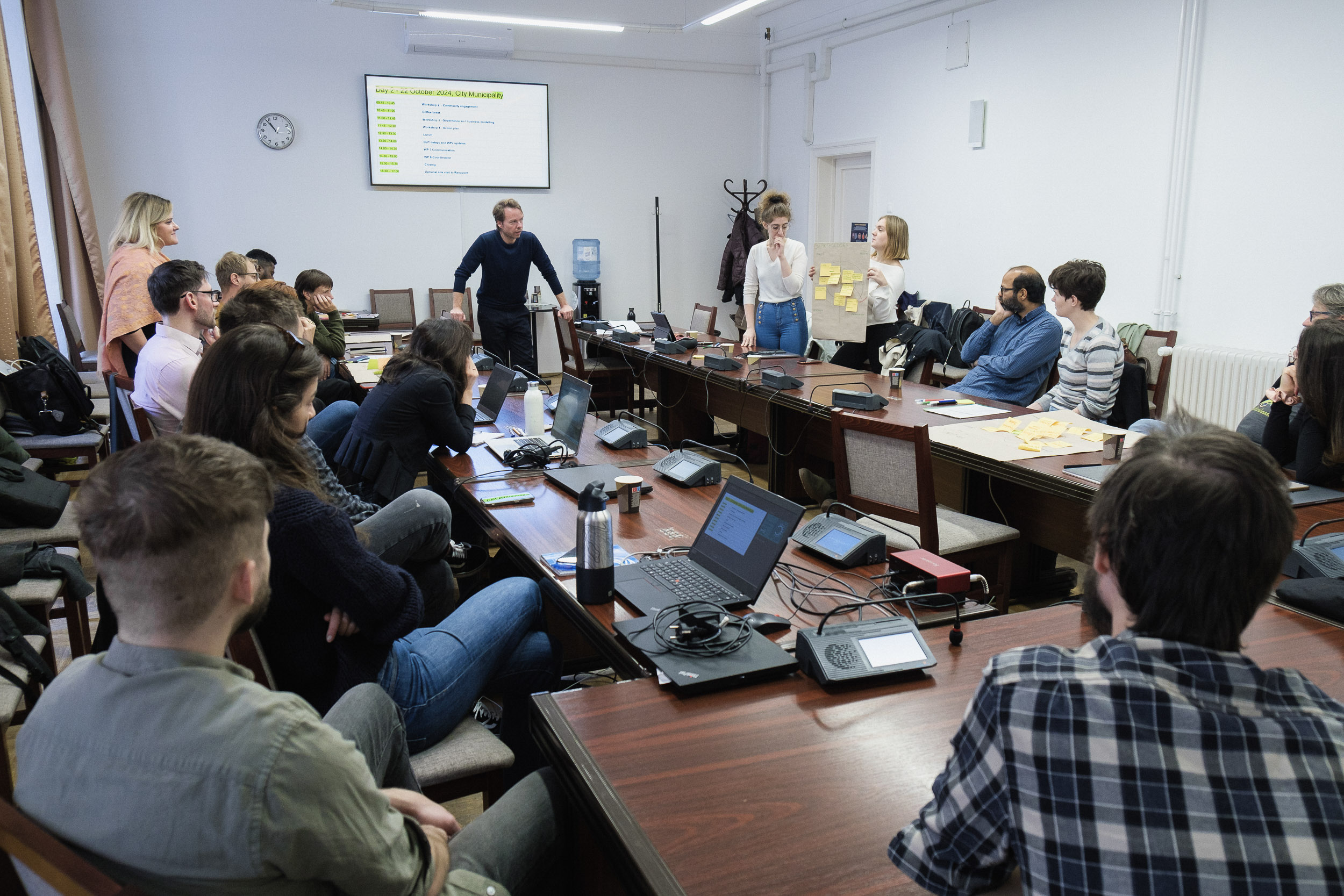
Community engagement was a central theme, with discussions focusing on who the reference community is in each pilot, which stakeholders are currently missing, and how to effectively involve them. Questions such as “How do you expect to involve stakeholders, and what activities do you plan?” guided each team’s approach. Kazán, for instance, plans to engage local organizations and residents through participatory planning and activities, using its existing cooperative structure to strengthen involvement.
Governance Models and Sustainable Business Plans
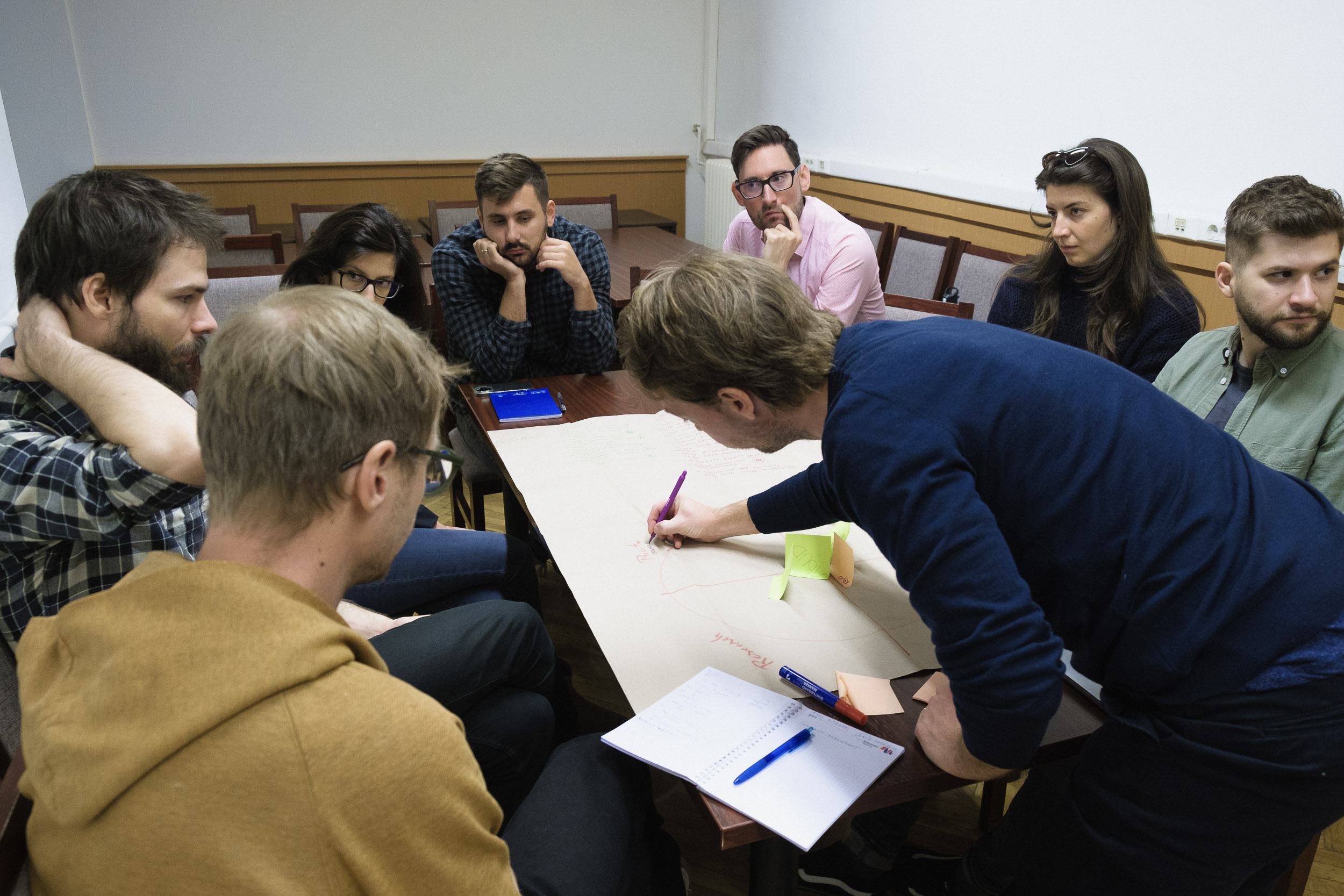
Partners also worked on governance models, posing questions like “How will consumers be involved?”, “How will energy production be made affordable?”, and “How will profits contribute to community assets?” These discussions focused on creating transparent decision-making processes, sustainable business models, and pricing strategies that keep energy affordable for local residents. Each team outlined plans to reinvest profits into community assets, ensuring that their PEDs and ECs remain financially viable and beneficial.
The Budapest meeting concluded with clear action plans and a shared vision, aligning all partners on the path to building resilient, community-driven energy solutions across Europe.
Learn more about the Energy4All project: https://energy4allproject.eu/
See the other article
September 14 - 2026
New policy article
Fostering sustainability transformation through effective collaboration among stakeholders” explores how collaboration among stakeholders can support sustainability transformation, and what factors enable or hinder effective collaboration and collective action.
July 22 - 2026
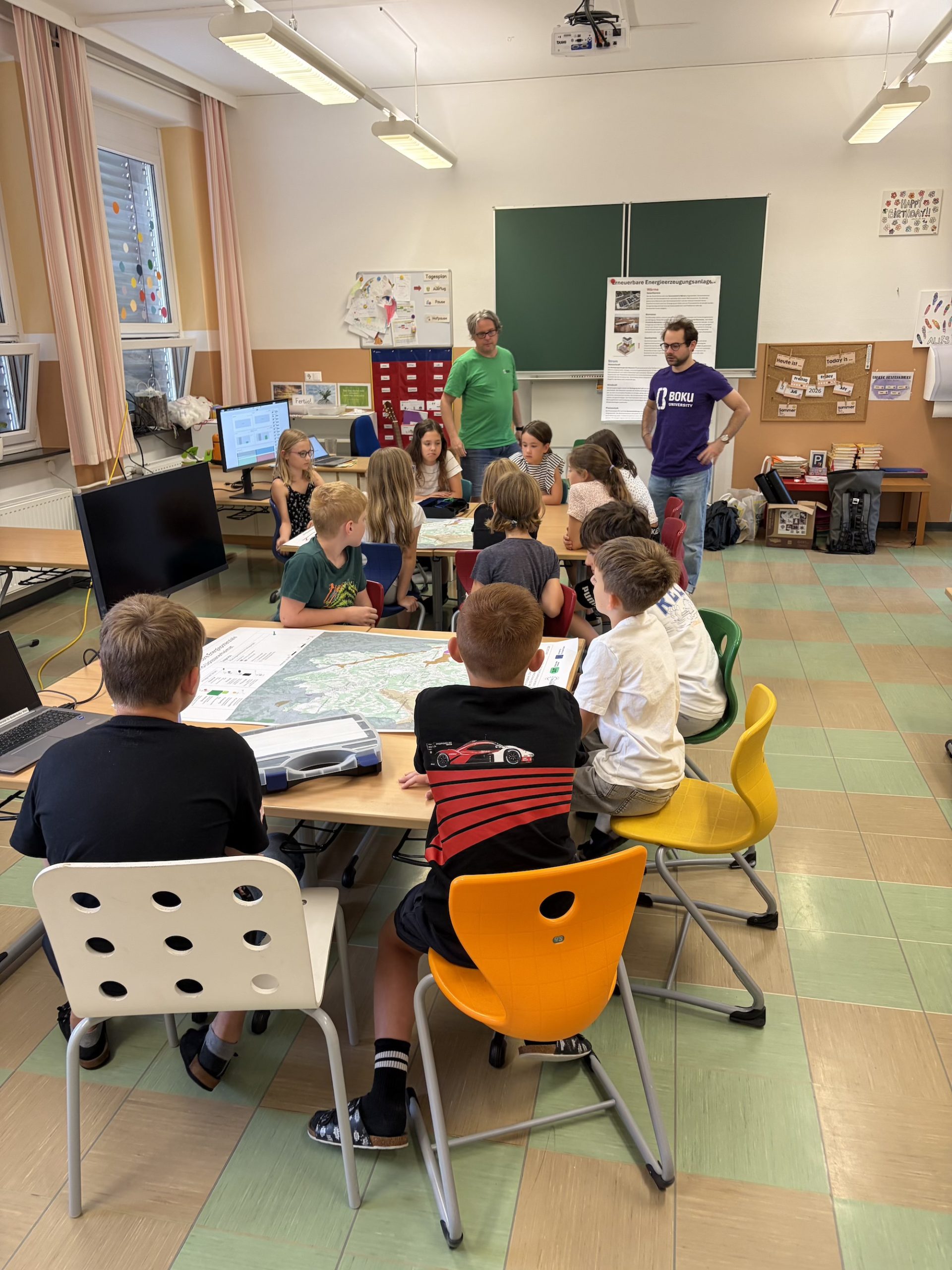
The Energy Transition Game empowers kids for a sustainable future – Workshops by BOKU & Austrian ECs schools
The "Energy Transition Game" transformed the elementary school in Ligist, Styria, into a renewable energy hotspot through workshops developed by BOKU University as part of Energy4all, focusing on knowledge transfer, raising awareness and community building among children, teachers and parents.
March 11 - 2026
The Human Cost of Net-Zero: Analyzing Stavanger’s Hillevåg PED Project
Stavanger’s Hillevåg Positive Energy District aims to produce a surplus of renewable energy while supporting climate-neutral urban living. However, the project also reveals socio-economic tensions between ambitious sustainability goals and local concerns about preservation and community impacts.
February 20 - 2026
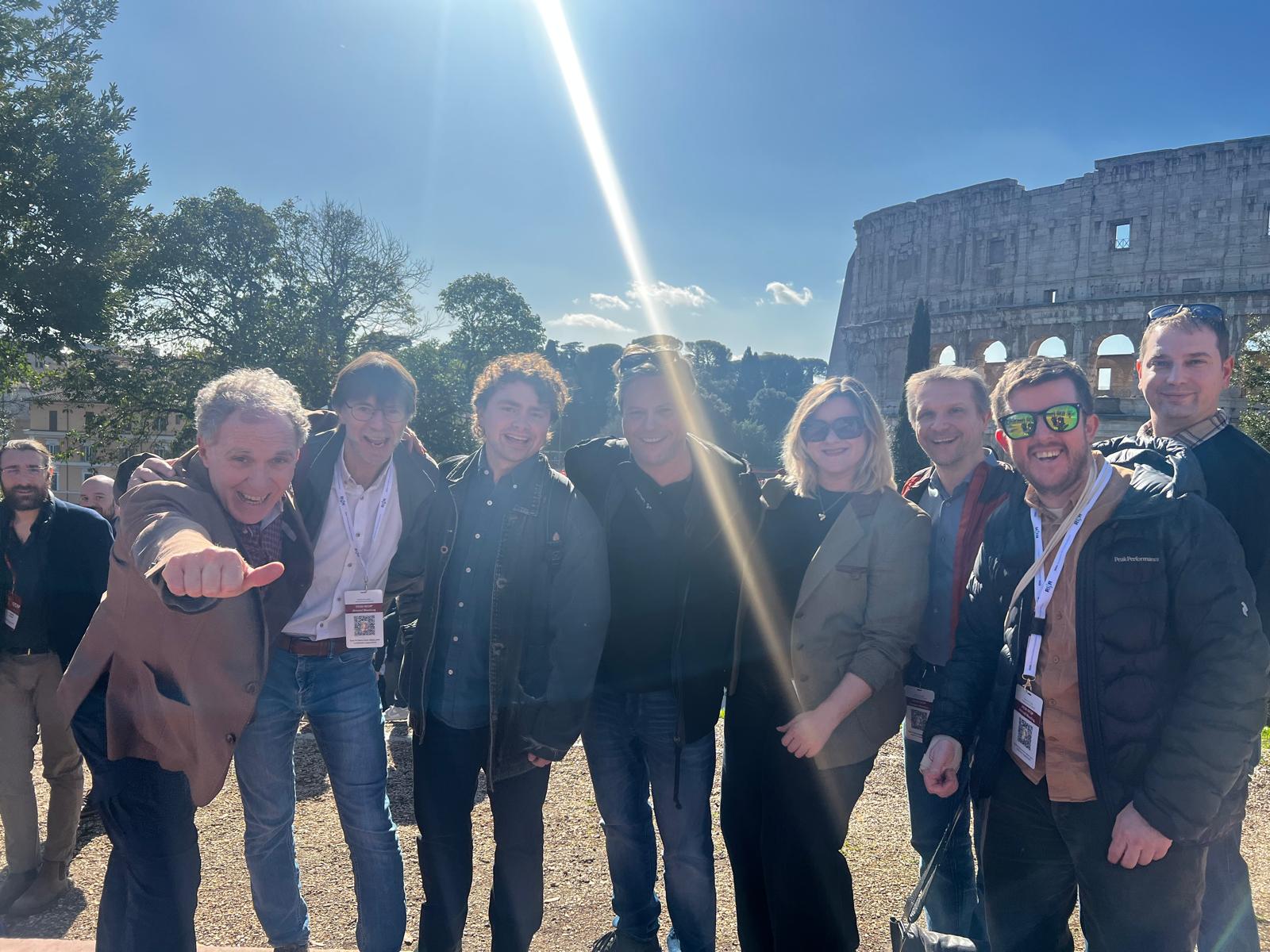
Key takeaways from the ENERGY4ALL consortium meeting in Rome
This year's consortium meeting in Rome was designed around participatory methodologies, including co-creation and gamification exercises, fostering an interactive and collaborative environment that encouraged collective reflection and forward-looking planning.
January 23 - 2026
Resource Analysis and Conceptual Planning of Co-Designed Interventions: Mid-Term Insights from Energy4All
The report offers a twofold contribution: a KPI-based evaluation framework and insights from the first co-design workshop held at Kazán on 23 April 2025.
January 23 - 2026
Transition Arenas — Systems Mapping Report
This report provides a structured, comparative analysis of how energy communities and related energy-sharing initiatives operate as complex systems shaped by interactions between social actors, technical infrastructures, economic incentives, and institutional frameworks.



Share on