Key takeaways from the ENERGY4ALL consortium meeting in Rome
February 20 - 2026
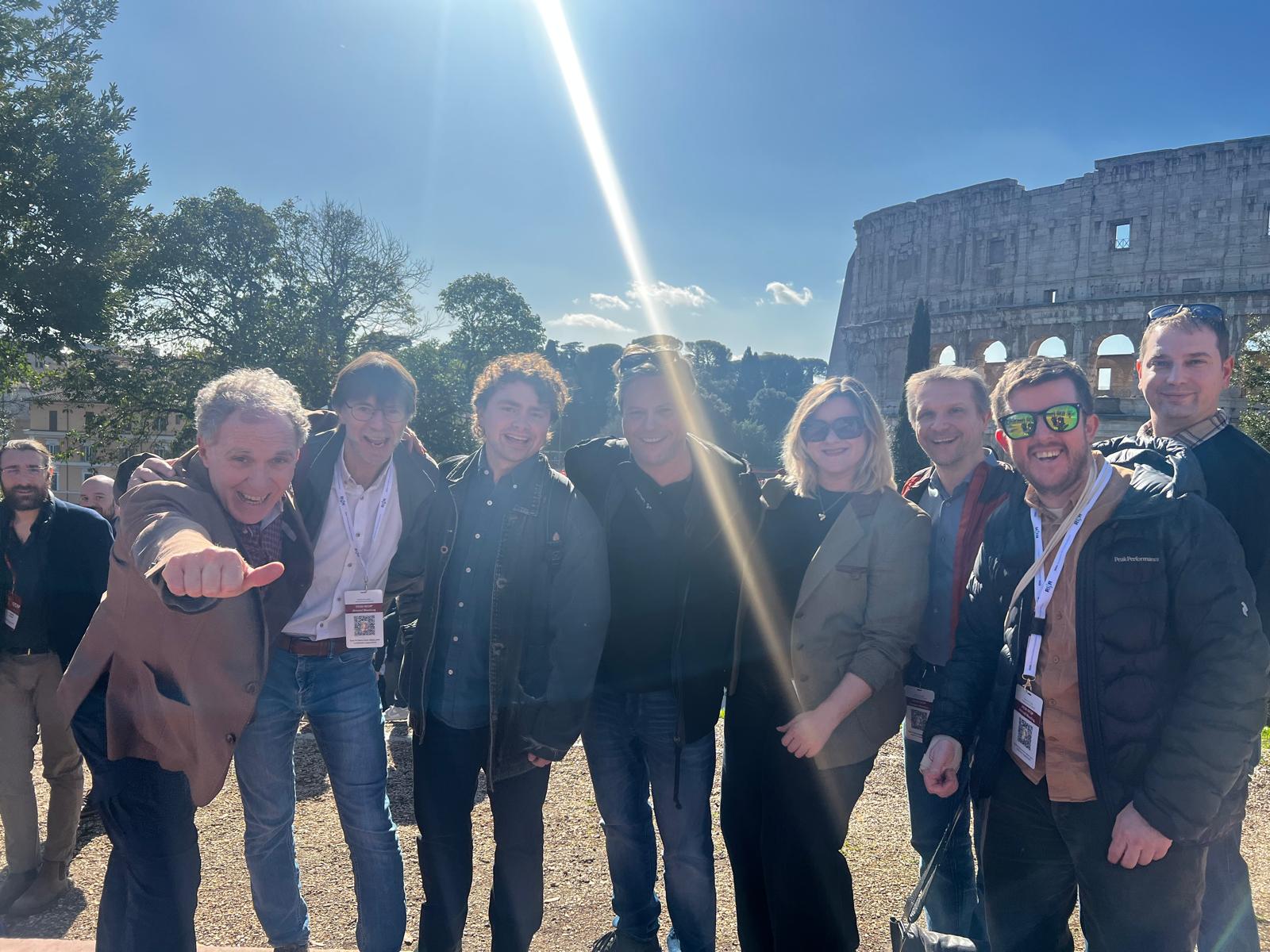
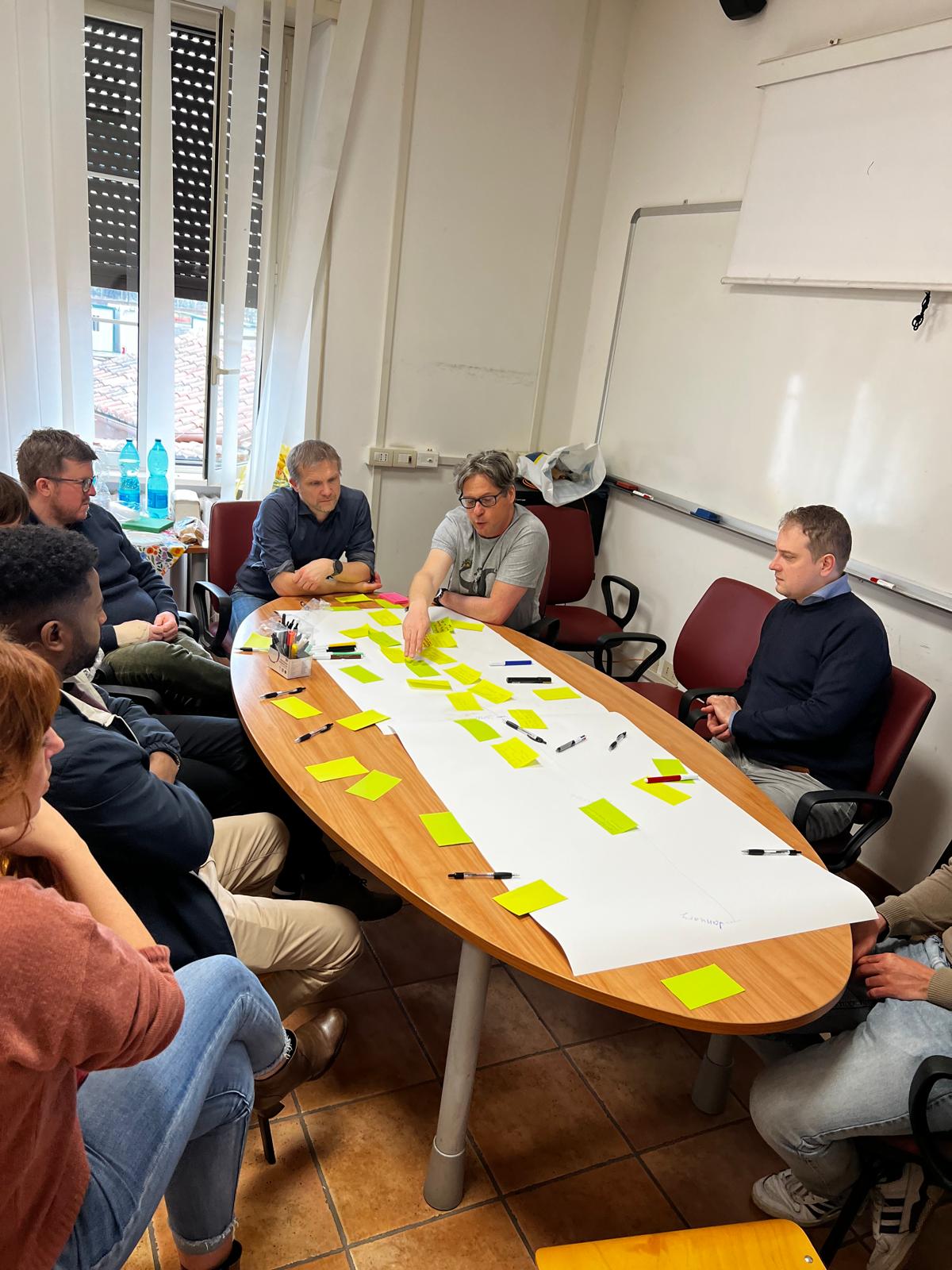
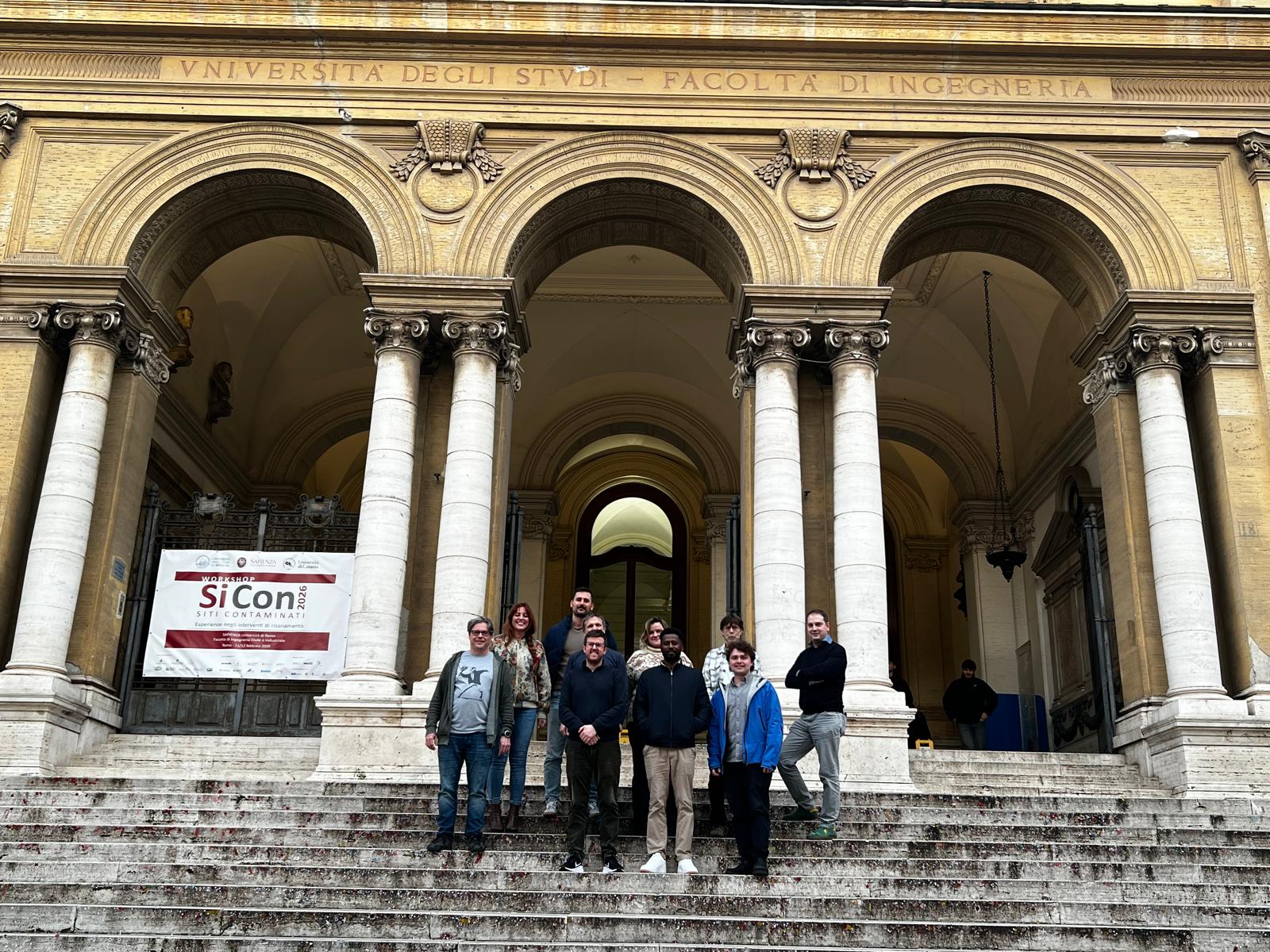
After more than a year since our last in-person meeting in Budapest, the Energy4All consortium reconvened in Rome on Thursday, February 12th, 2026. Representatives from Technical Solidarity (IT), BOKU (AT), Eutropian (IT and AT), Solidarity Eonomy Center and ABUD (HU), and University of Stavanger and City of Stavanger (NO) gathered to reflect on the project’s achievements and challenges, as well as to discuss the impact we aim to generate by the end of this year.
The meeting was designed around participatory methodologies, including co-creation and gamification exercises, fostering an interactive and collaborative environment that encouraged collective reflection and forward-looking planning.
In the following days, members of the consortium also had the opportunity to attend and participate in the Grand Challenge Scholars Program Annual Meeting, which brought together students, faculty, and professionals in Rome. The event provided a dynamic platform for knowledge exchange, networking, and interdisciplinary dialogue, exploring how the intersection of community engagement and technological innovation can generate impactful solutions to global challenges.
Future Impacts and Timelines
With two years under our belt and as we quickly move into the last year of the project, an impactful workshops was a timeline co-creation. We asked ourselves and answered foundational questions such as which are our desired outcomes and impacts that we want to achieve? This workshop allowed us to understand each pilots and partners’ aims as well as the cross-pilot similarities in tools or timelines in needed to achieve these goals.
Gamification and the Frizzle game
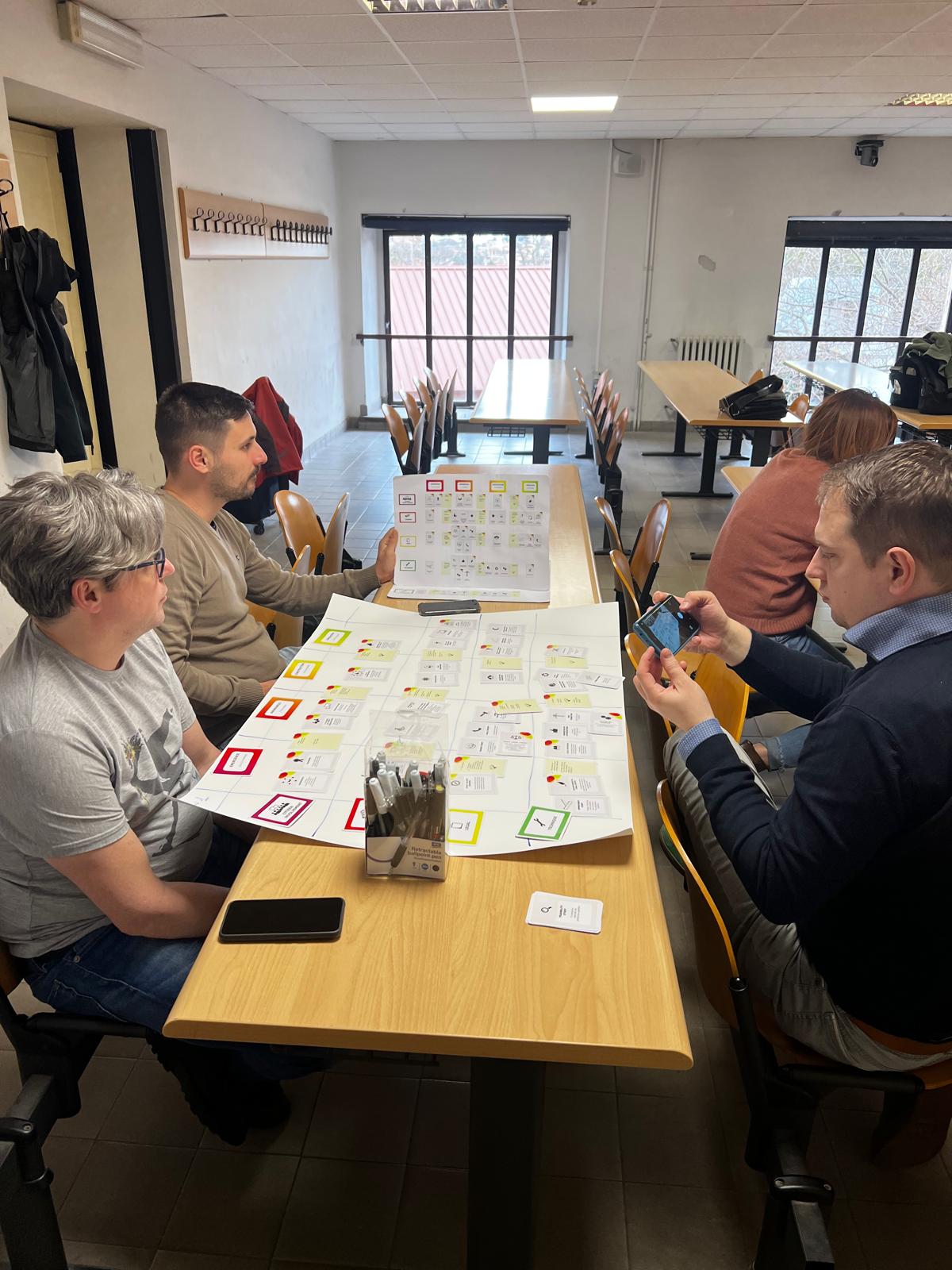
Continuing on the thread of timelines, we also played a game called Frizzle. Frizzle was developed by Energie Partagée, a French organisation working to shepherd energy communities throughout France through leveraging their expertise and employing gamification to educate and for community engagement. When playing Frizzle, players create two timelines with distinct phases, such as emergence, awareness, construction, and operation, as well as operations such as funding, legal, and technical. Players are asked to fill in the puzzle using step cards and milestone cards necessary for creating an energy community as well as using additional cards to create a citizen renewable energy community. This process allowed partners to reflect on gamification, how the game cards and timeline differ to their national context, and the complex matrix needed to establish equitable renewable citizen energy communities.
Systems mapping and Theory of Change
One of the highlights of the meeting was a session on systems mapping, led by Abel Magyari from ABUD. By visually mapping each pilot, the consortium explored recurring dynamics and cross-cutting patterns that shape the development of our Energy Communities and Positive Energy Districts. This collective reflection helped clarify how different variables interact, revealing the interconnected nature of social, technical, and governance elements across cases.
The discussion then turned to the Theory of Change framework, encouraging us to articulate the long-term impact we aim to achieve and to work backward from that vision. By defining objectives that are clear and measurable, the consortium strengthened its strategic alignment for the final year of the project. This exercise reinforced the importance of intentional planning while maintaining the flexibility needed to respond to local contexts and evolving challenges.
Pilot Presentations and achievements until now
A dedicated session was also reserved for pilot presentations, giving each partner the opportunity to share the current progress of their local initiative. This exchange allowed the consortium to gain a clearer understanding of where each pilot stands, while openly addressing existing bottlenecks and challenges. Through collective discussion, we explored possible solutions and identified ways to support one another in overcoming obstacles. Following this, we turned to a broader reflection on the consortium’s achievements to date. We showcased key research outcomes, particularly in the field of community engagement, as well as emerging scientific publications developed within the framework of the project. The session concluded with a forward-looking discussion on upcoming milestones and the impact we aim to generate in the final phase of Energy4All.
The GCSP Conference
In the days following our consortium meeting, the Energy4All team participated in the Grand Challenge Scholars Program (GCSP) Annual Meeting, an international gathering that brought together scholars, academics, and professionals from across the globe, including participants from the United States, Latin America, Africa, and various European countries.
Energy4All had the opportunity to present both the project and its poster, engaging with an audience strongly oriented toward technological and engineering-driven innovation. It was particularly valuable to observe how our project positioned itself within this context. While many initiatives focused primarily on technical solutions, Energy4All highlighted the social foundations of energy transition: energy as commons and by consequence the community governance, participation, and different frameworks related to these aspects. The exchanges confirmed that in many highly technical projects, the social dimension is often underdeveloped, yet it is precisely this element that determines long-term success and acceptance.
Learn more about the Energy4All project: https://energy4allproject.eu/
See the other article
March 11 - 2026
The Human Cost of Net-Zero: Analyzing Stavanger’s Hillevåg PED Project
Stavanger’s Hillevåg Positive Energy District aims to produce a surplus of renewable energy while supporting climate-neutral urban living. However, the project also reveals socio-economic tensions between ambitious sustainability goals and local concerns about preservation and community impacts.
January 23 - 2026
Resource Analysis and Conceptual Planning of Co-Designed Interventions: Mid-Term Insights from Energy4All
The report offers a twofold contribution: a KPI-based evaluation framework and insights from the first co-design workshop held at Kazán on 23 April 2025.
January 23 - 2026
Transition Arenas — Systems Mapping Report
This report provides a structured, comparative analysis of how energy communities and related energy-sharing initiatives operate as complex systems shaped by interactions between social actors, technical infrastructures, economic incentives, and institutional frameworks.
December 2 - 2025
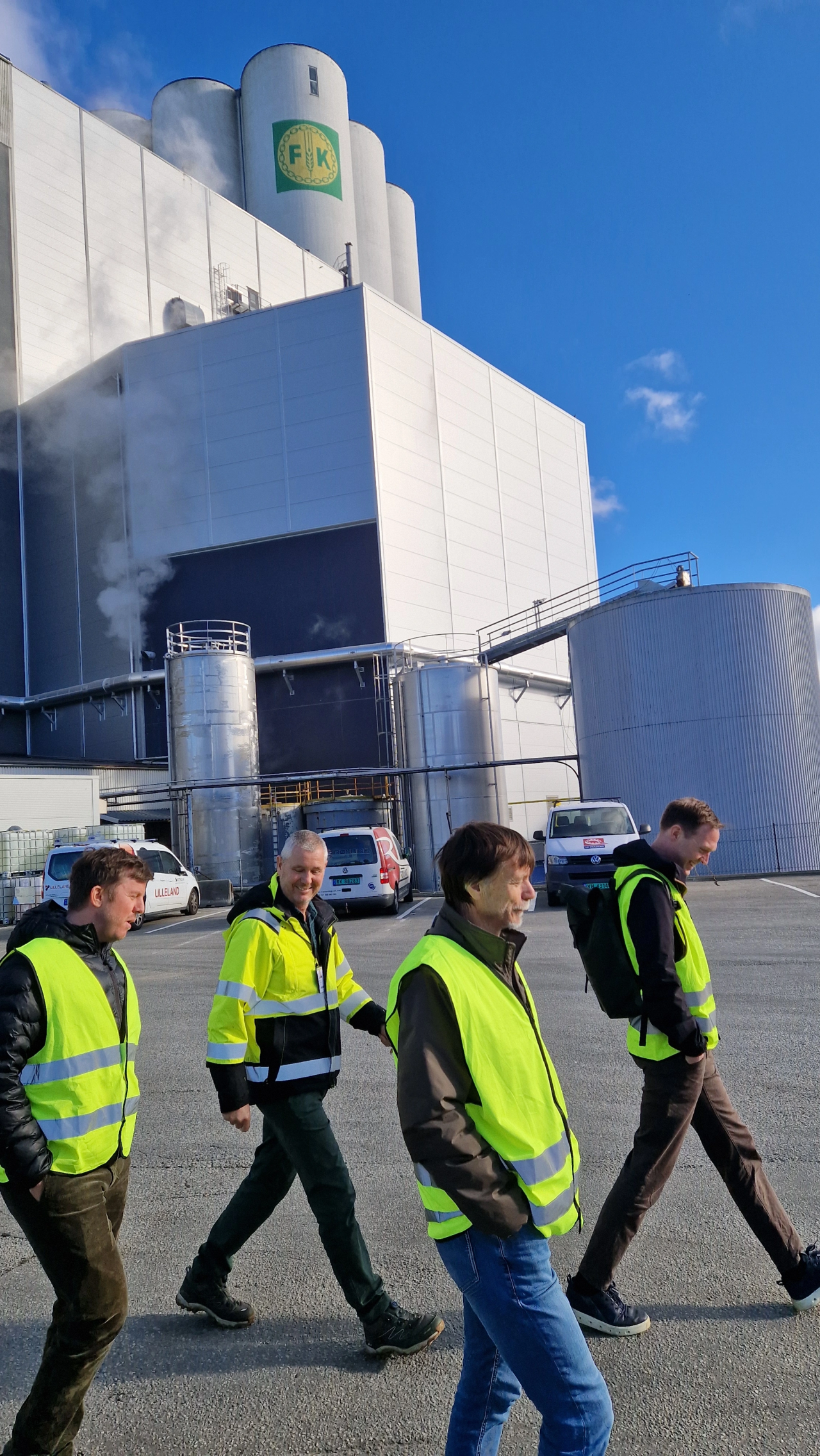
Drastic reduction in heavy industry carbon emissions at Felleskjøpet in Stavanger Municipality!
During a full-day seminar, Energ4all Norwegian partners received a guided tour of the massive new biomass plant at the Felleskjøpet factory. This site visit marked a major project milestone, highlighting how the 6 MWp facility—built with an investment of more than €10 million—now uses oat hulls to produce steam for feed manufacturing, achieving an approximate 90% reduction in carbon emissions since May 2025.
October 30 - 2025
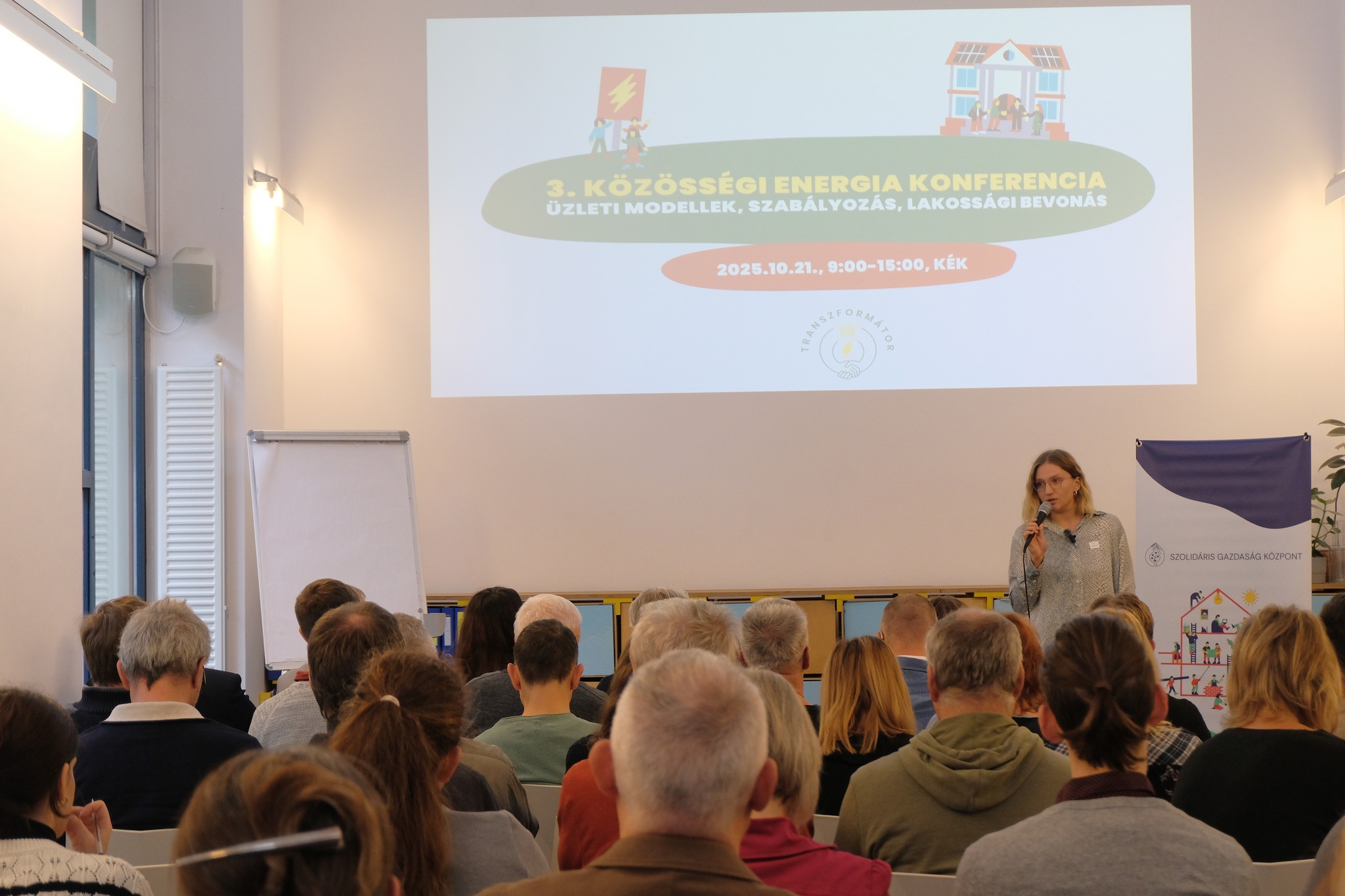
3rd Community Energy Conference – Business Models, Regulation, Citizen Participation
Hungary’s community energy movement is gaining momentum — and the 3rd Community Energy Conference in Budapest asked what it really takes to turn shared generation, fair regulation, and citizen participation into everyday reality.
September 18 - 2025
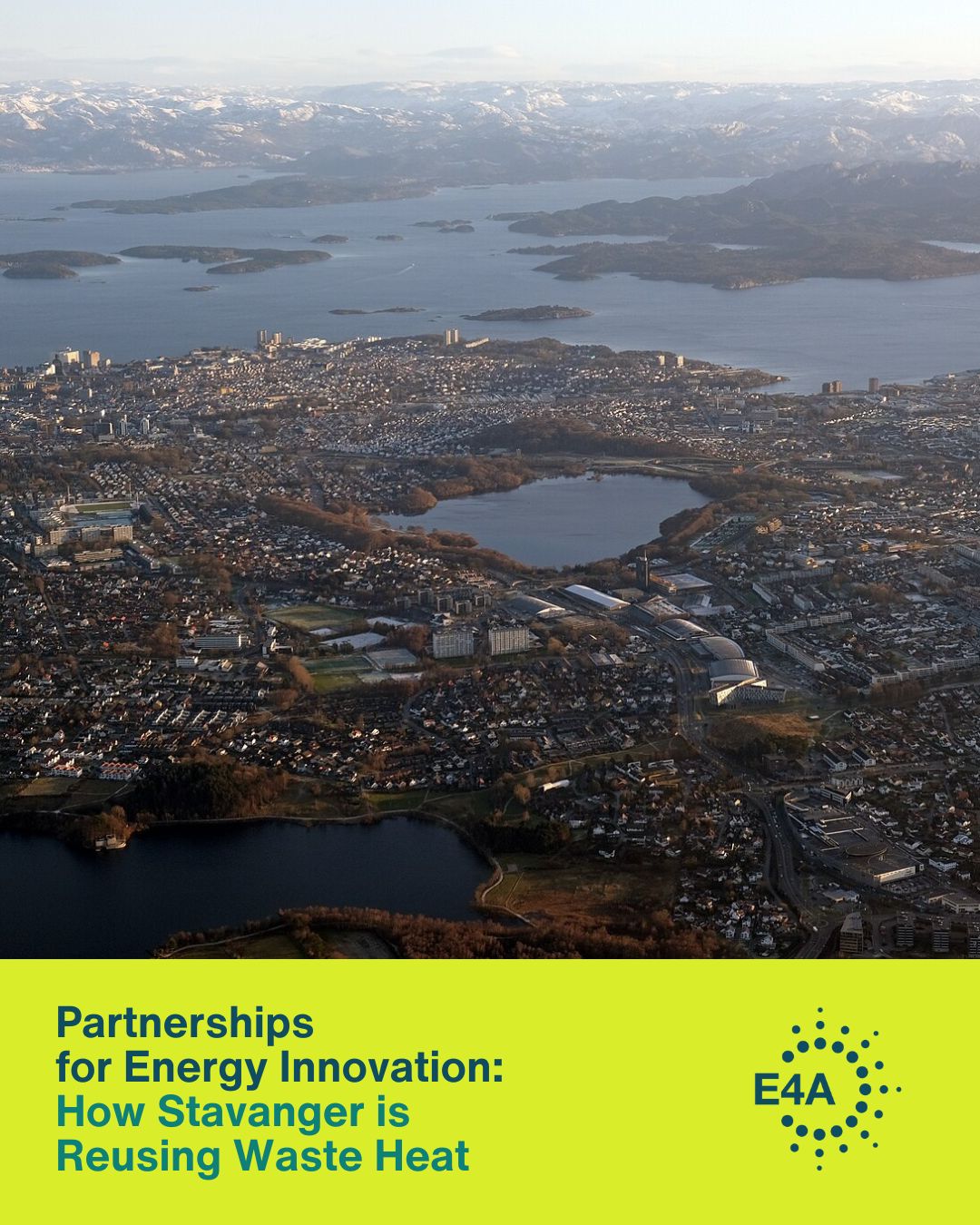
Partnerships for Energy Innovation: How Stavanger is Reusing Waste Heat
Stavanger’s Hillevåg district shows how reusing industrial waste heat could cut emissions, but faces regulatory, financial, and trust barriers.



Share on