Introducing The Renewable Energy Game
February 26 - 2025
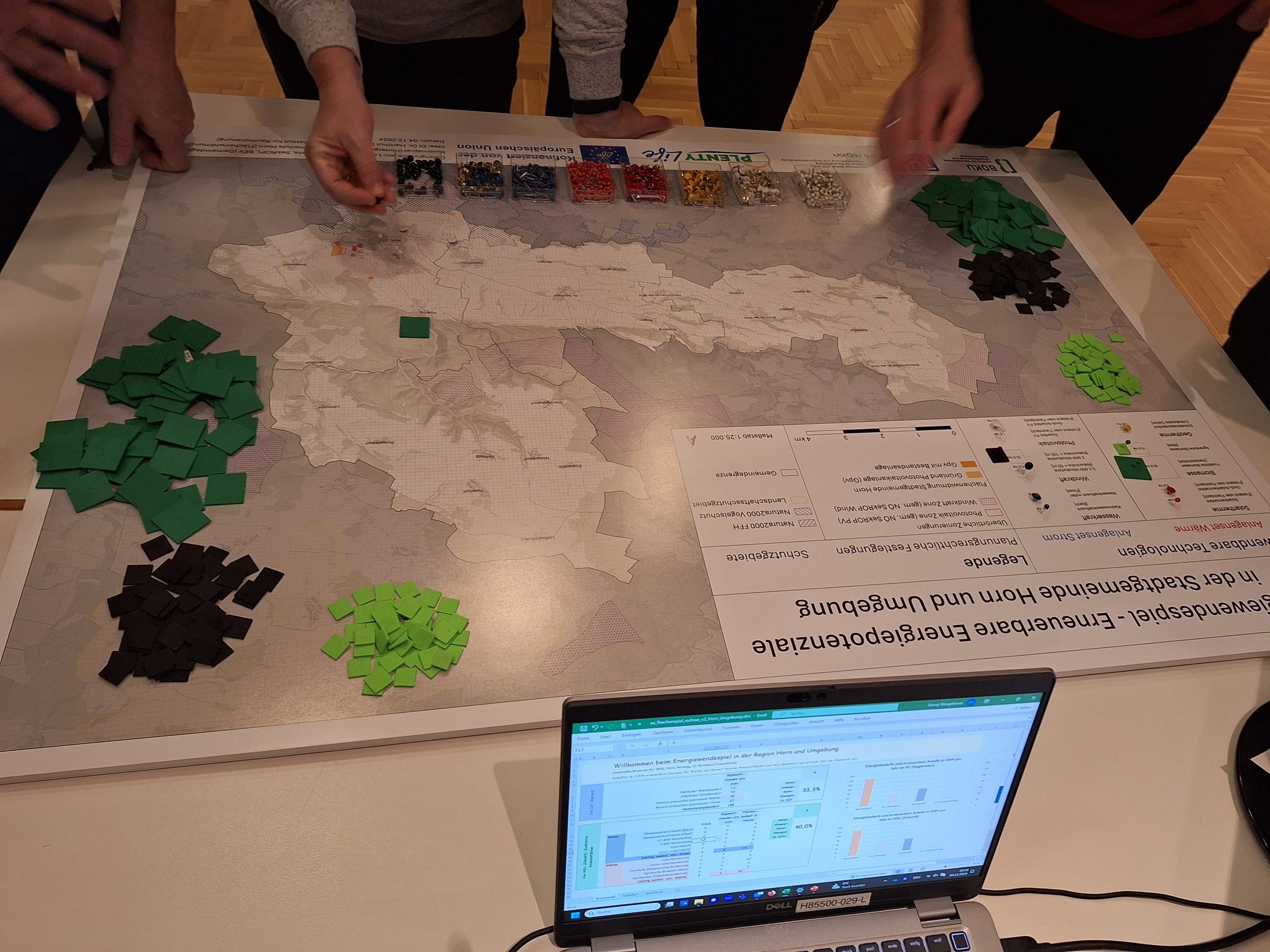
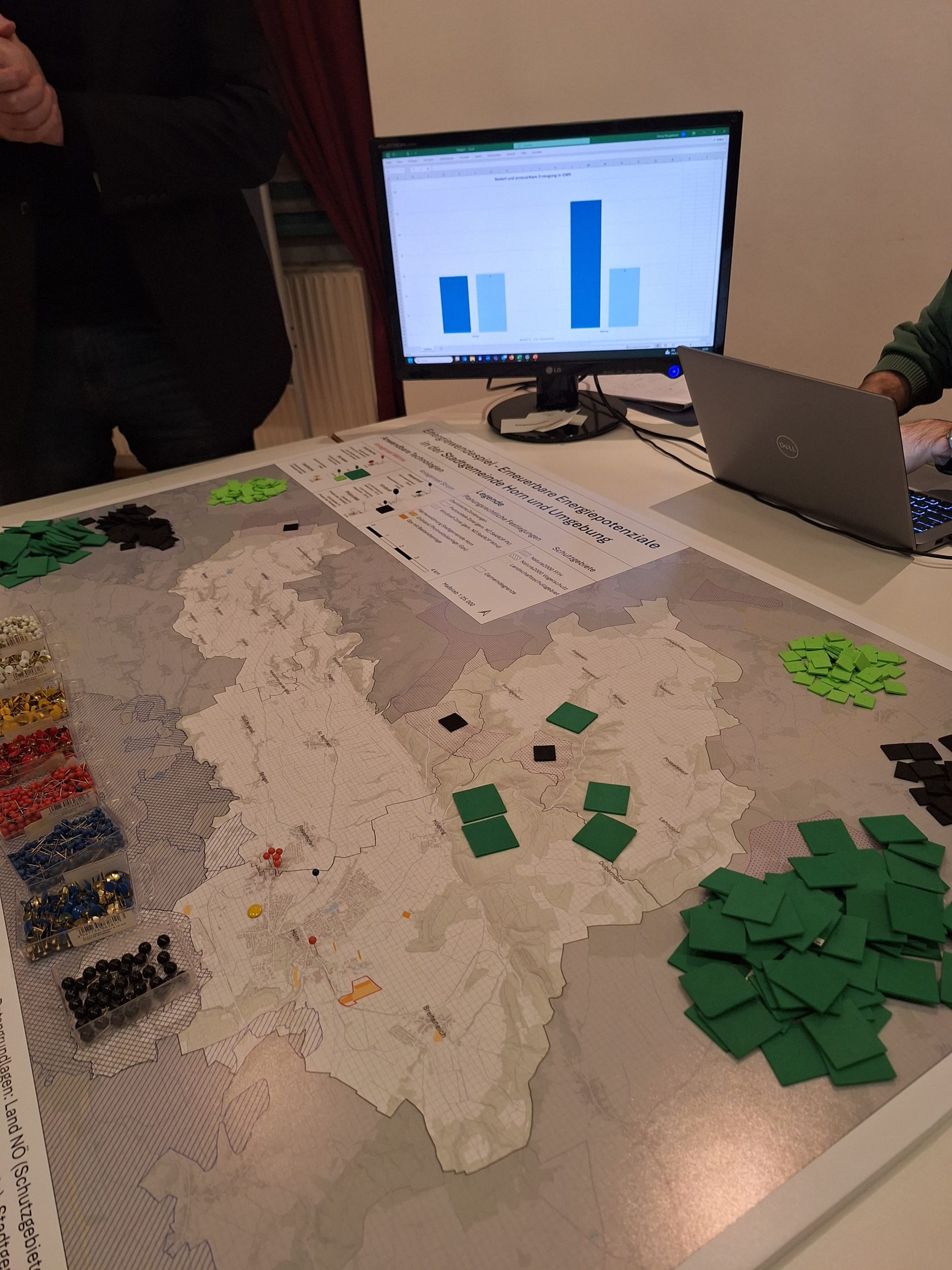
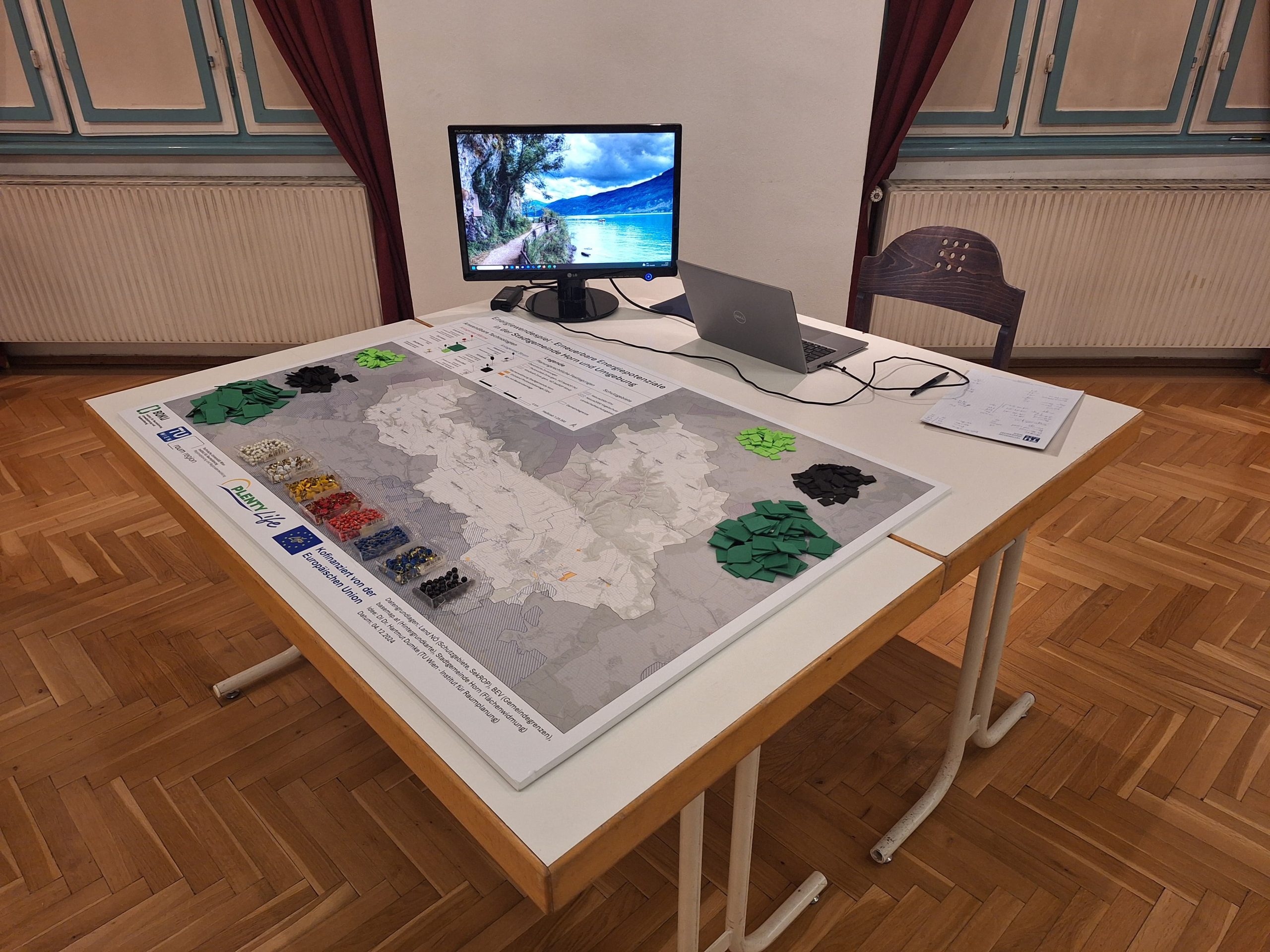
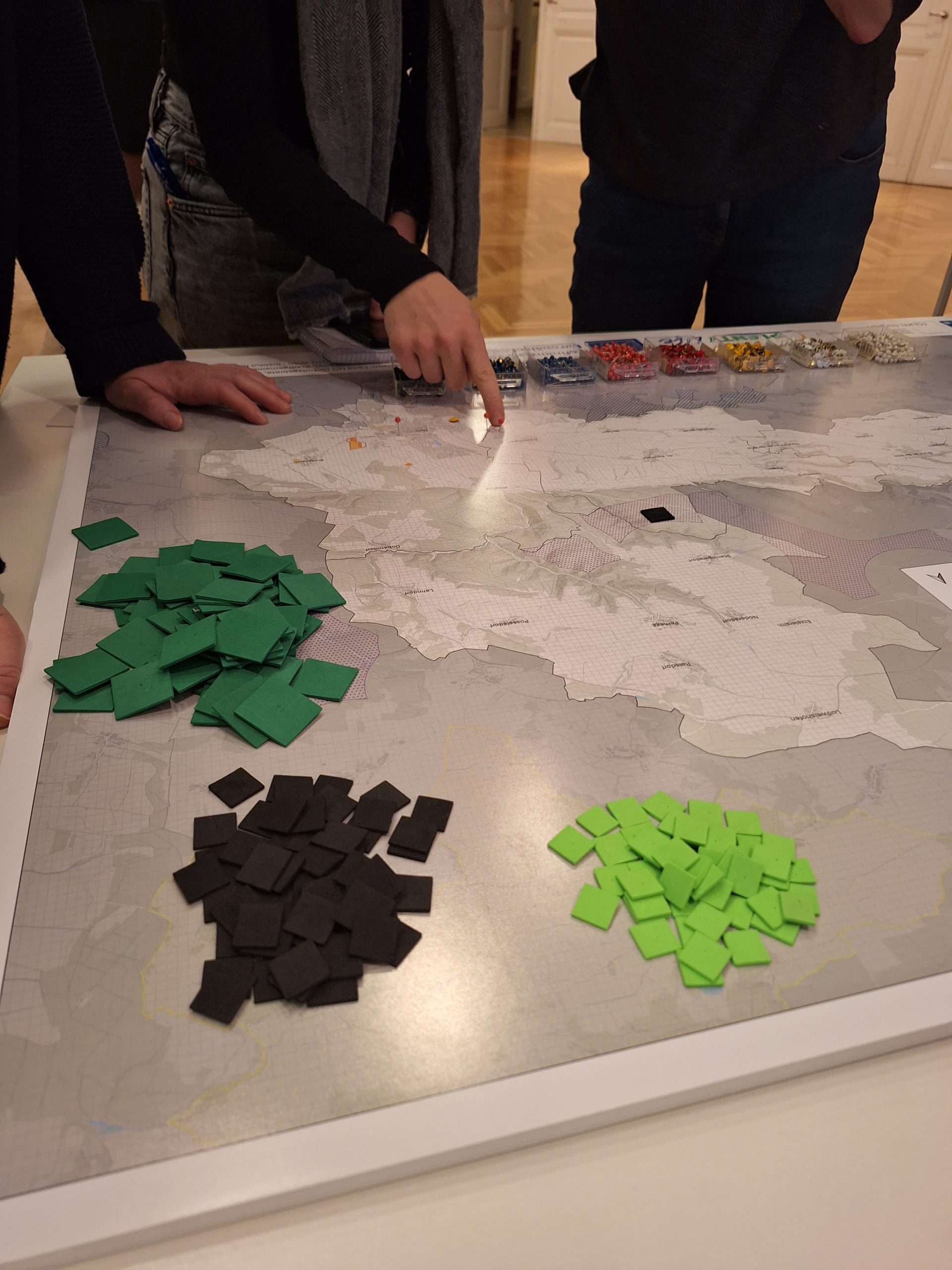
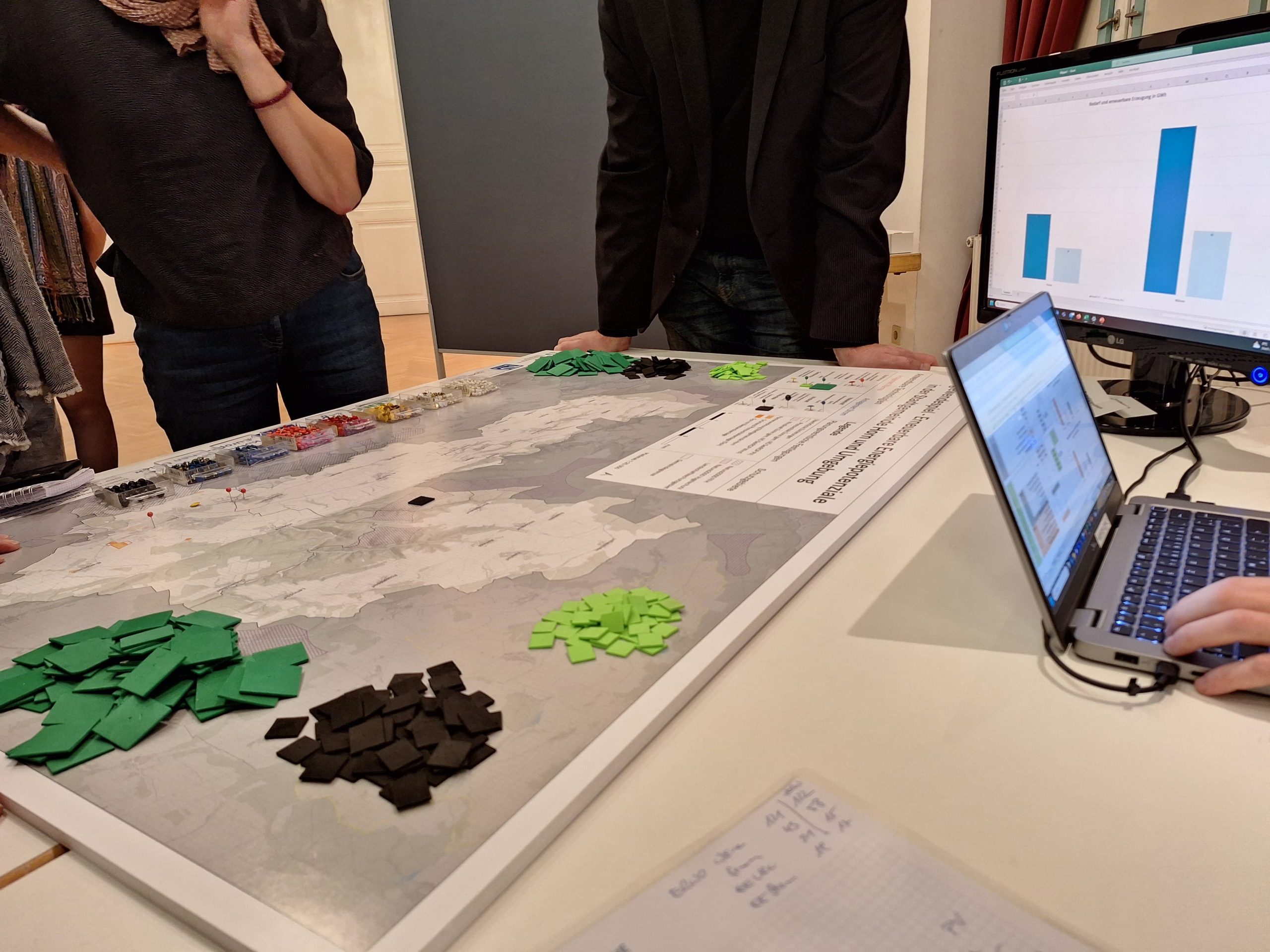
The Renewable Energy Game offers players an engaging way to learn about the land requirements for generating electricity and heat from renewable energy sources. The game is centered around a map of a municipality (or municipalities), which serves as the playing field. This map highlights key features such as protected areas, settlement boundaries, and priority zones for wind power and photovoltaics.
The objective of the game is to strategically place renewable energy facilities within the municipality to meet its electricity and heat demands. Different types of generation facilities are represented by distinct tokens. A moderator tracks the energy supply in real time and displays the results graphically on monitors. The monitors display graphical representations of both the energy demand for heat and electricity and the supply coverage according to the generation facilities placed on the map by the players.
The game has been successfully played with interested members of the public and municipal representatives. It is a great starting point for discussions on energy transition and sustainable planning, offering background knowledge on renewable energy and raising awareness of the energy transition’s requirements and difficulties. The game’s complexity is adaptable to the needs of different age groups and levels of expertise.
Based on the idea of Hartmut Dumke (TU Wien), further developed with BOKU University (IRUB). The featured photos were taken during a workshop in Austria, which was organised as part of the Plenty Life project in December 2024.
See the other article
September 14 - 2026
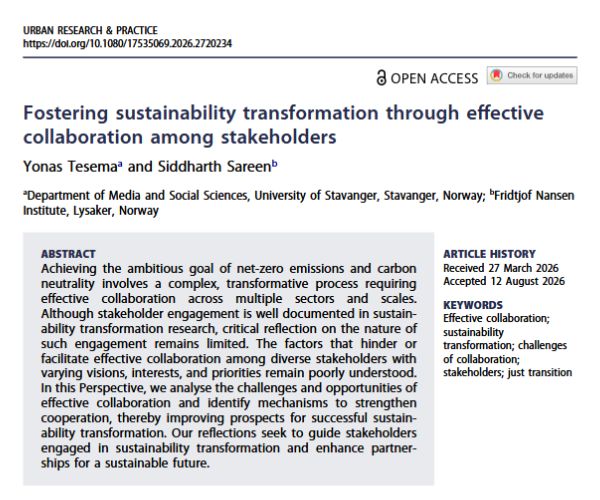
New policy article
Fostering sustainability transformation through effective collaboration among stakeholders” explores how collaboration among stakeholders can support sustainability transformation, and what factors enable or hinder effective collaboration and collective action.
July 22 - 2026
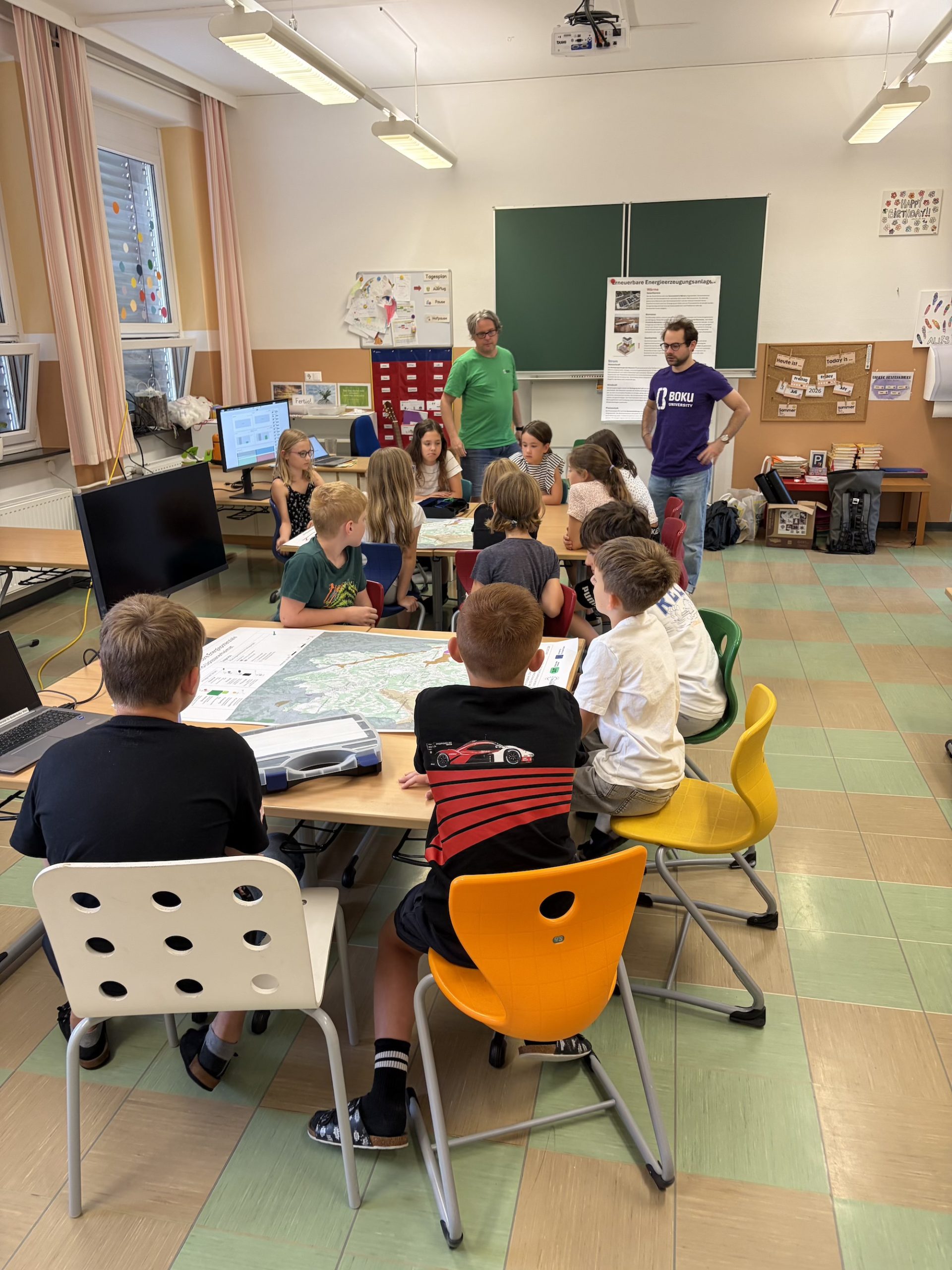
The Energy Transition Game empowers kids for a sustainable future – Workshops by BOKU & Austrian ECs schools
The "Energy Transition Game" transformed the elementary school in Ligist, Styria, into a renewable energy hotspot through workshops developed by BOKU University as part of Energy4all, focusing on knowledge transfer, raising awareness and community building among children, teachers and parents.
March 11 - 2026
The Human Cost of Net-Zero: Analyzing Stavanger’s Hillevåg PED Project
Stavanger’s Hillevåg Positive Energy District aims to produce a surplus of renewable energy while supporting climate-neutral urban living. However, the project also reveals socio-economic tensions between ambitious sustainability goals and local concerns about preservation and community impacts.
February 20 - 2026
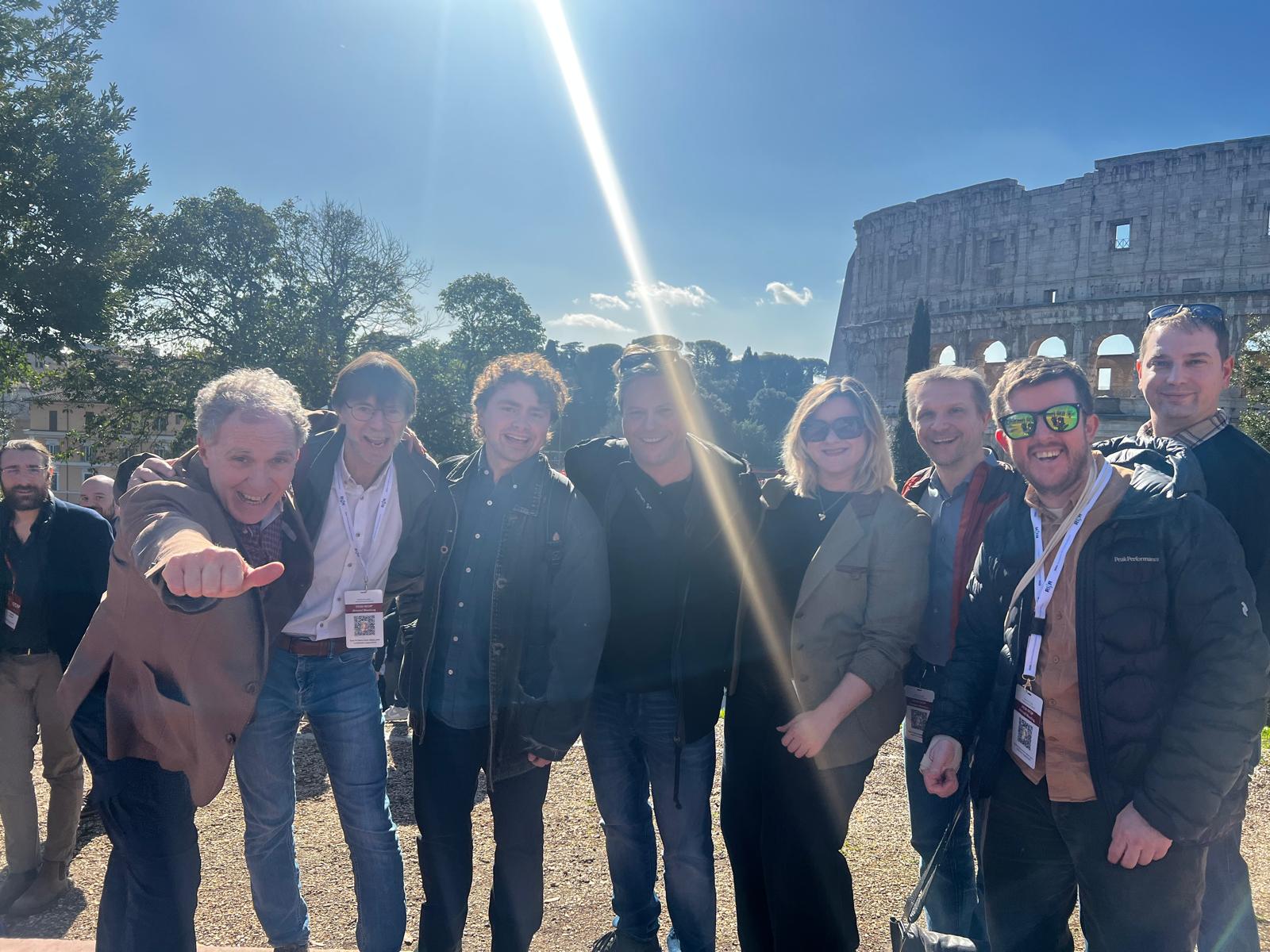
Key takeaways from the ENERGY4ALL consortium meeting in Rome
This year's consortium meeting in Rome was designed around participatory methodologies, including co-creation and gamification exercises, fostering an interactive and collaborative environment that encouraged collective reflection and forward-looking planning.
January 23 - 2026
Resource Analysis and Conceptual Planning of Co-Designed Interventions: Mid-Term Insights from Energy4All
The report offers a twofold contribution: a KPI-based evaluation framework and insights from the first co-design workshop held at Kazán on 23 April 2025.
January 23 - 2026
Transition Arenas — Systems Mapping Report
This report provides a structured, comparative analysis of how energy communities and related energy-sharing initiatives operate as complex systems shaped by interactions between social actors, technical infrastructures, economic incentives, and institutional frameworks.



Share on