What It’s Like Working with Energy Communities in Austria: An Insider’s View with Cornelia Desimini
October 21 - 2026
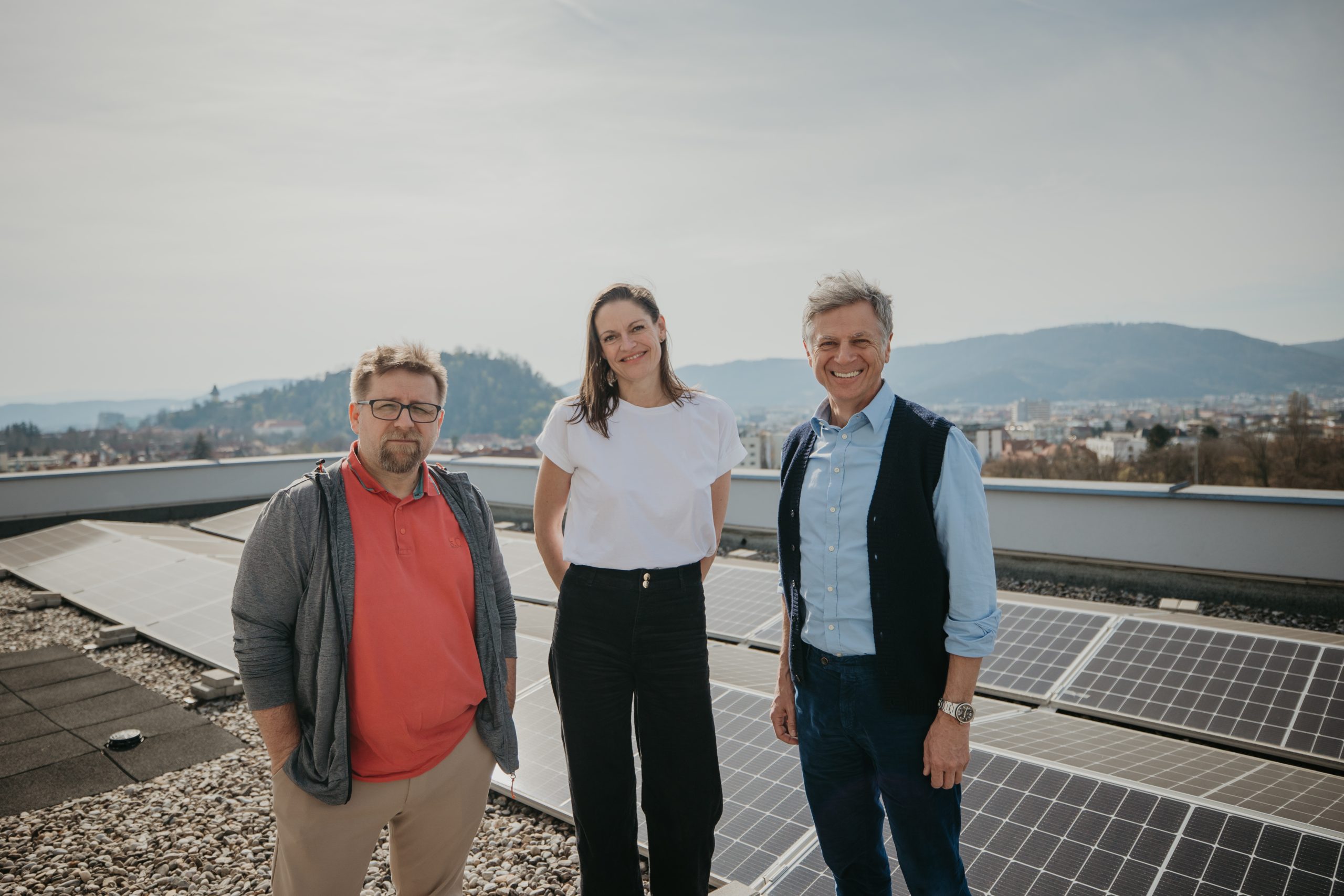
Energy communities in Austria are flourishing. In this interview, we spoke to Cornelia Desimini, a partner in our Energy4All project and deputy chair of the EEG Verbund Lipizzanerheimat. Cornelia tells us about the key messages that resonate with current and potential energy community members, the challenges of creating a more diverse membership, and what it takes to balance energy production and consumption.
While cost is a driving motivation for members, Cornelia sees energy communities within the broader energy transition. She is also a member of So-Strom, an Austrian company supporting the establishment, administration and billing of renewable energy communities. In her role as a communications and public relations expert, Cornelia supports their development throughout southeastern Austria.
What is a typical workday or work week?
A typical workday for me often involves checking new member applications for our energy communities. I manage the digital applications of the members, and I have an overview of the balance between feed-in energy and users who only consume energy. That is the administrative side. Also, every day I check our digital platform to see if the members’ smart metering points are active and if data transmission by the grid operators is functioning. Then I do social media work and media relations promoting projects and new updates in the energy community sector.
What is important is community building and how we get in contact with current members, new members, private households as well as businesses, initiatives and municipalities. Therefore, a core part of my work is project and stakeholder management. Outside work, I enjoy outdoor activities with family and friends and serve as a local councillor.
When you pitch your energy communities, who comes to your events?
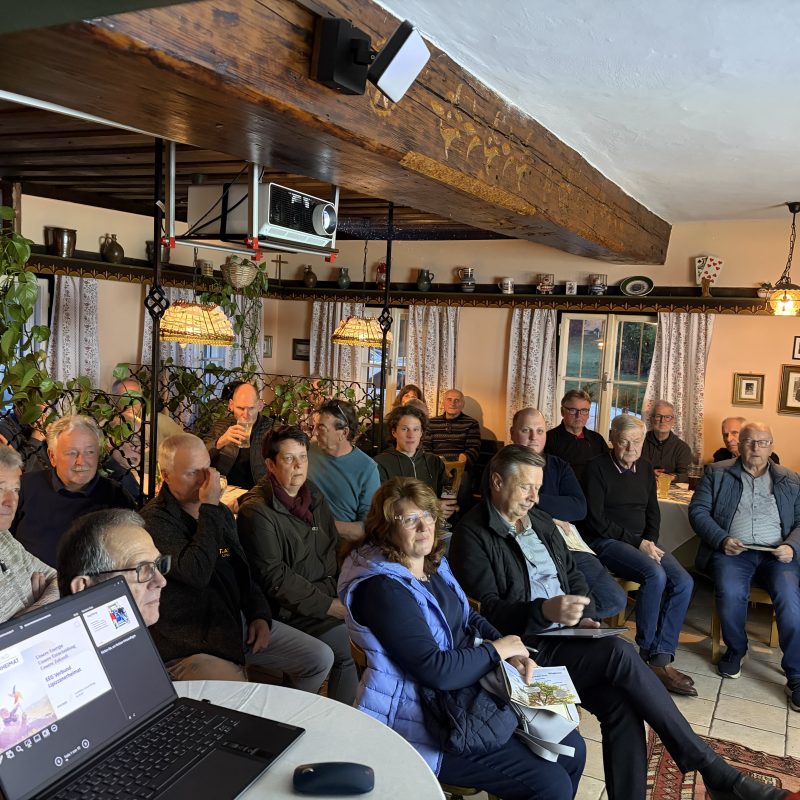
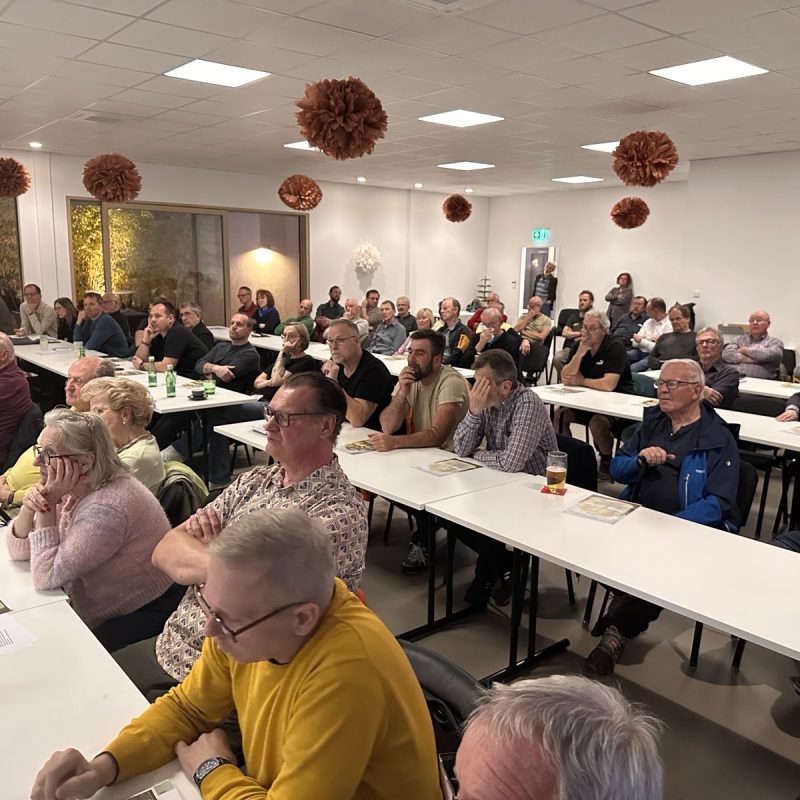
When we founded our energy community associations, we went public and invited community members to our launch events. What was really interesting is that the interested individuals were mainly men over 50 who own their property, own their house, and have solar panels on their roofs. This group of people is well-informed and interested; they want to sell and profit. They might even want to contribute to the energy transition. However, the main reason they join our energy communities is to save money or pay lower energy prices. This is the main group attending our information events, with approximately 80% men and 20% women, mostly aged over 50. This imbalance is really important and something that we are addressing and trying to solve by getting in touch with younger people and young families who could also benefit from joining us.
Why are younger people and women underrepresented in energy communities?
There are many young, environmentally minded people who are interested in energy issues, but they tend to be connected to green and ecological circles and mostly live in urban areas. So the challenge is not only about age or gender; it is also about the difference between urban and rural areas. People in these ecological urban circles are often already aware of energy communities. The challenge is making it easier for them to become members and actually take part.
I think the problem with energy communities in Austria is partly related to mindset. Creating your own energy community and participating in the energy exchange is quite technical and specialised. You really have to be interested in how energy prices and energy systems work. Most people simply want to pay less, and that is it.
We also live in an age of information overload. While it has never been easier to publish information, there is also so much information out there that it is difficult to catch people’s attention and reach specific groups.
What motivates you to be involved in energy communities?
In everything I do, I always try to think that we can contribute, that there is a bigger purpose behind the efforts we make.
That’s my approach to energy communities. I really do it from my heart. Throughout my childhood, my parents instilled the importance of climate protection and sustainability and modelled it in their daily habits; I grew up with these values, and they have shaped who I am. I want to pass on to my two daughters the message that,
in the spirit of Jane Goodall, we can always choose the kind of difference we want to make.
A difference that helps shape a future worth living for us all. This drives my commitment to the board of the EEG Verbund Lipizzanerheimat energy community: sharing ideas, resources and energy makes us more resilient and independent, strengthens our communities and opens up new horizons. Let’s start at the local level!
What is the message at your information events that draws people in?
The main message of our information events is lower energy prices, greater local, regional and economic independence, self-sufficiency, and being part of an energy community. Everyone can participate in the energy community, including private households, businesses, municipalities and farmers. Participation is open to tenants and homeowners, apartment and single-family house residents, and those with or without access to solar panels.
The next message is that creating energy communities keeps money in the region. It does not flow to big energy companies across the country. Instead, members pay less or earn more, and the money stays in the region. Last but not least, we highlight that by taking part in the energy transition, we are working for a more liveable future for us, our children, and future generations. It’s always a monetary approach, and then as a side effect, we can have a more ecological approach where we contribute to something bigger, a healthier and more sustainable future.
Can you tell us about the energy community associations you work with?
The energy communities that are part of our association include EEG Verbund Lipizzanerheimat, Anna EEG St Michael and EEG Graz-Geidorf. Most of them are regional communities, bringing together households, businesses and public buildings within a defined area to share locally produced renewable energy. EEG Verbund Lipizzanerheimat, for example, actually consists of three energy communities in the region.
We also work with a special type of energy community in Graz where all the members are located in the same building. This is different because the energy is shared through the building’s internal electricity network, rather than through the wider grid. As a result, there are zero network costs and no levies such as the Electricity Levy and Renewable Energy Contribution, leading to greater savings for members.
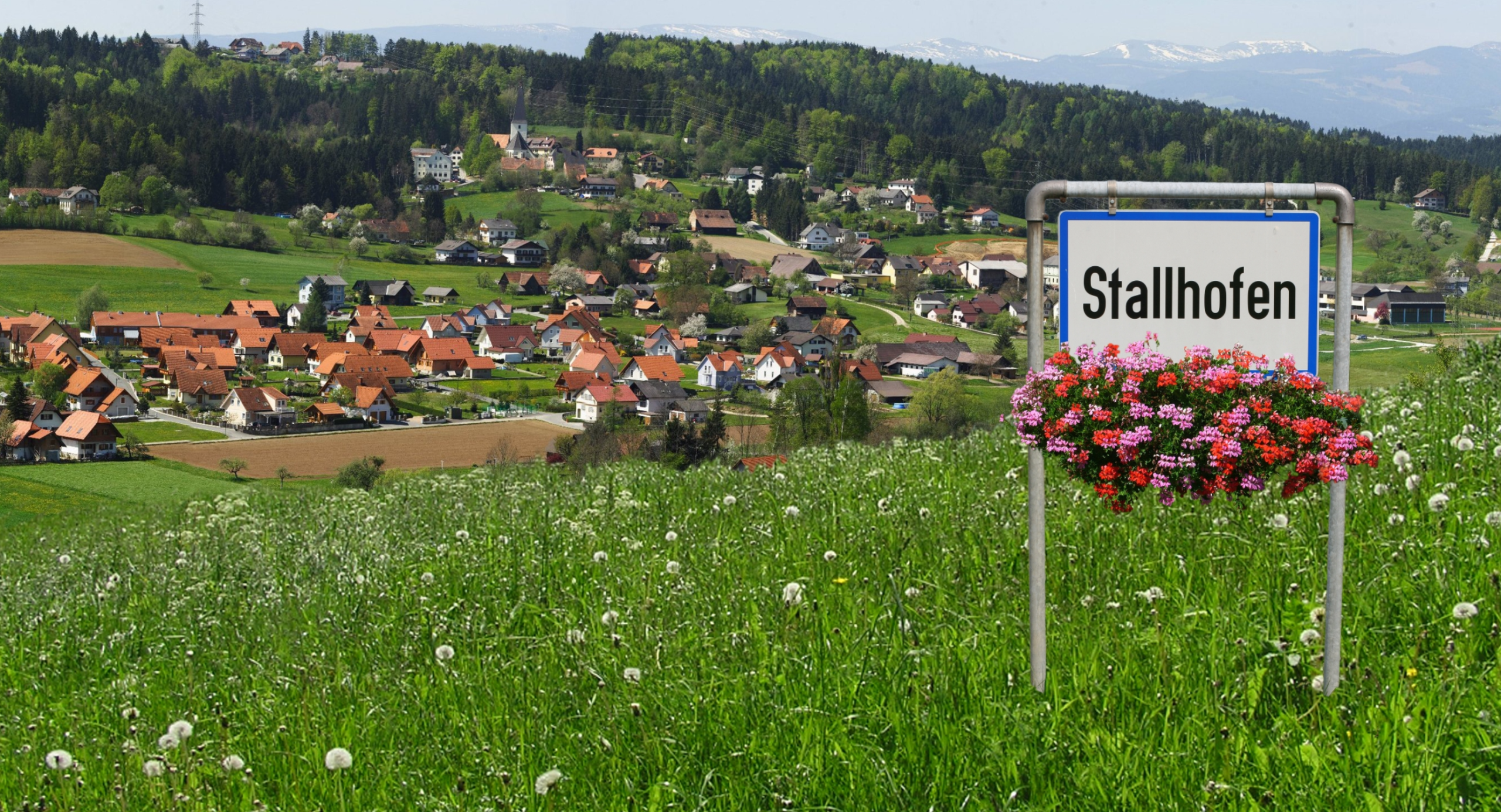
In EEG Verbund Lipizzanerheimat, we currently have around 80 members producing energy and we are trying to attract more consumers. In August 2026, the municipality of Stallhofen joined the energy community as a consumer, bringing 16 buildings including a primary school, kindergarten and retirement home. They can now buy part of their electricity through the community at a lower price and benefit from reduced network charges and levies.
This balance between producers and consumers is very important. At our first information events, we mostly meet people with solar panels who want to sell their energy. The bigger challenge is finding members who consume energy. Many of our producers are family houses, and in the summer they generate a lot of surplus energy. We therefore need to build a better balance between production and consumption, step by step, so that everyone in the community benefits. To support this, the integration of battery storage is one of our future topics.
You mentioned that finding consumers is the biggest challenge. How do you identify where you need more consumers or producers?
I can see the energy balance on our service provider’s digital platform. The platform of So-Strom allows us to see how much energy our members produce, how much they consume and how much is available at any given time. We can look at this data over the last seven days, a month or over a specific period of time.
The challenge is making sure we have enough consumers for the energy being produced. If we have too much surplus and cannot sell it within the community, it has to be sold on the outside market to large energy companies at a lower price. Within the energy community, we can offer producers 30–50% more than the outside market while also offering consumers lower prices.
So, technology is not the problem. The real challenge is getting the right mix of producers and consumers. That is why I am now focusing on companies and entrepreneurs in the region. One company can make a big difference because it can consume or produce much more energy than a household.
How does collaborating with So-Strom benefit energy communities?
Running an energy community without a service provider like So-Strom would be very difficult and time-consuming. So-Strom covers everything, from establishing an energy community and registering it with the utility sector to handling ongoing, automated billing and managing members via a digital platform. Their support and technical know-how guarantee efficient workflows and help us to quickly fix problems. They are very important when it comes to the activation of smart metering points and the communication with the grid operators who deliver data via smart metering. Smart metering measures what goes to or comes from the energy community versus the outside market by allocating the energy volumes for each member automatically. On So-Strom’s digital platform, our members have access to this data: the quantities of the exchanged energy.
Each member automatically receives their invoice as a PDF via email. As the manager of the energy communities, I get all the invoices and try to provide the best possible support to everyone. Members frequently have questions regarding the amounts of energy exchanged, so I check our online data portal and explain it to them. Others want to become a member and need help with the online registration. Elderly people who are not particularly tech-savvy are hugely relieved and grateful for any support.
What is unique about EEG Verbund Lipizzanerheimat compared to other energy communities in Austria?
What makes EEG Verbund Lipizzanerheimat unique is where it comes from. The initiator, Andreas Körbisch, comes from the real estate sector, not from the traditional energy or environmental sector. He had access to many multi-unit residential buildings with solar panels, and he started thinking about how these buildings could be used to bring renewable energy into the everyday lives of residents and tenants.
So, rather than starting with the idea of creating an energy community and then looking for buildings, he started with the buildings and asked how they could become part of a more sustainable energy system. I think that combination of real estate, renewable energy and regional economic development is quite unusual. The idea is not only to produce renewable energy, but also to create something that benefits residents and keeps money in the local and regional economy.
What is your hope for the future of energy communities in your region?
I hope that our energy communities continue to grow, gain as many members as possible, and inspire other regions, much like a tree firmly rooted here that bears fruit we can harvest: locally and sustainably produced energy, traded just as it might be at a farmers’ market.
A strong energy community makes us less dependent on large utility companies and geopolitical uncertainties; it enhances our resilience, helps us save money, and makes a truly valuable contribution to the energy transition. I hope that every single person realises that we shape our future best when we stand together, and that every bit of involvement counts and truly makes a difference!
Feature photo: (c) Maruša Puhek
See the other article
October 9 - 2026
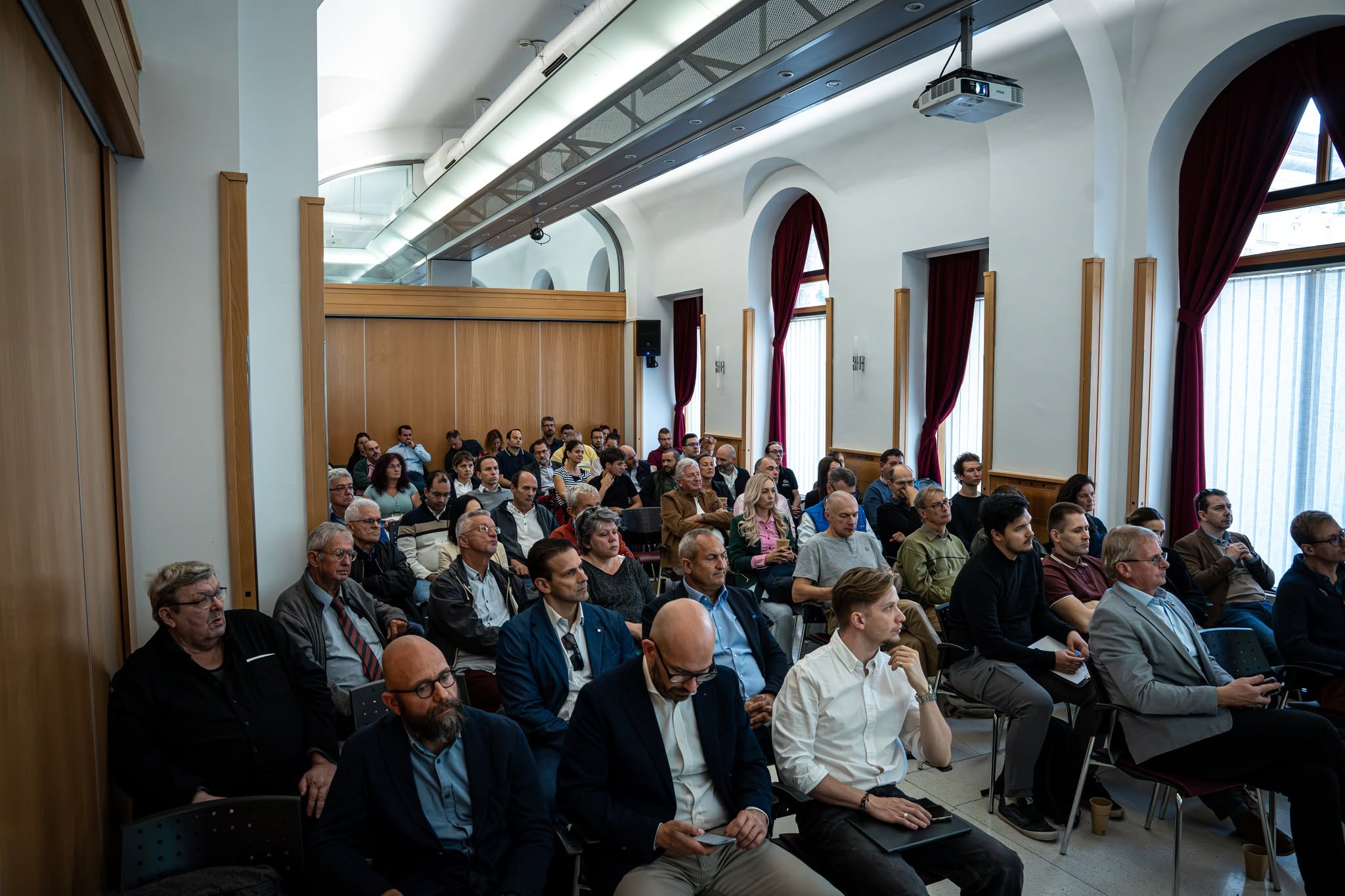
4th Energy Community Conference, Community Energy: New Opportunities?
On 7 October, our Energy4All partner, the Centre for Solidarity Economy (SZGK), co-organised the 4th Energy Community Conference, Community Energy: New Opportunities?, together with Transzformátor and the Hungarian Federation of Energy Communities.
September 14 - 2026
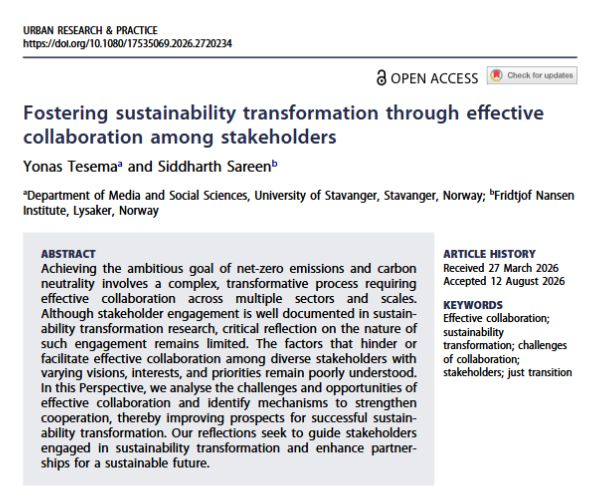
New policy article
Fostering sustainability transformation through effective collaboration among stakeholders” explores how collaboration among stakeholders can support sustainability transformation, and what factors enable or hinder effective collaboration and collective action.
July 22 - 2026
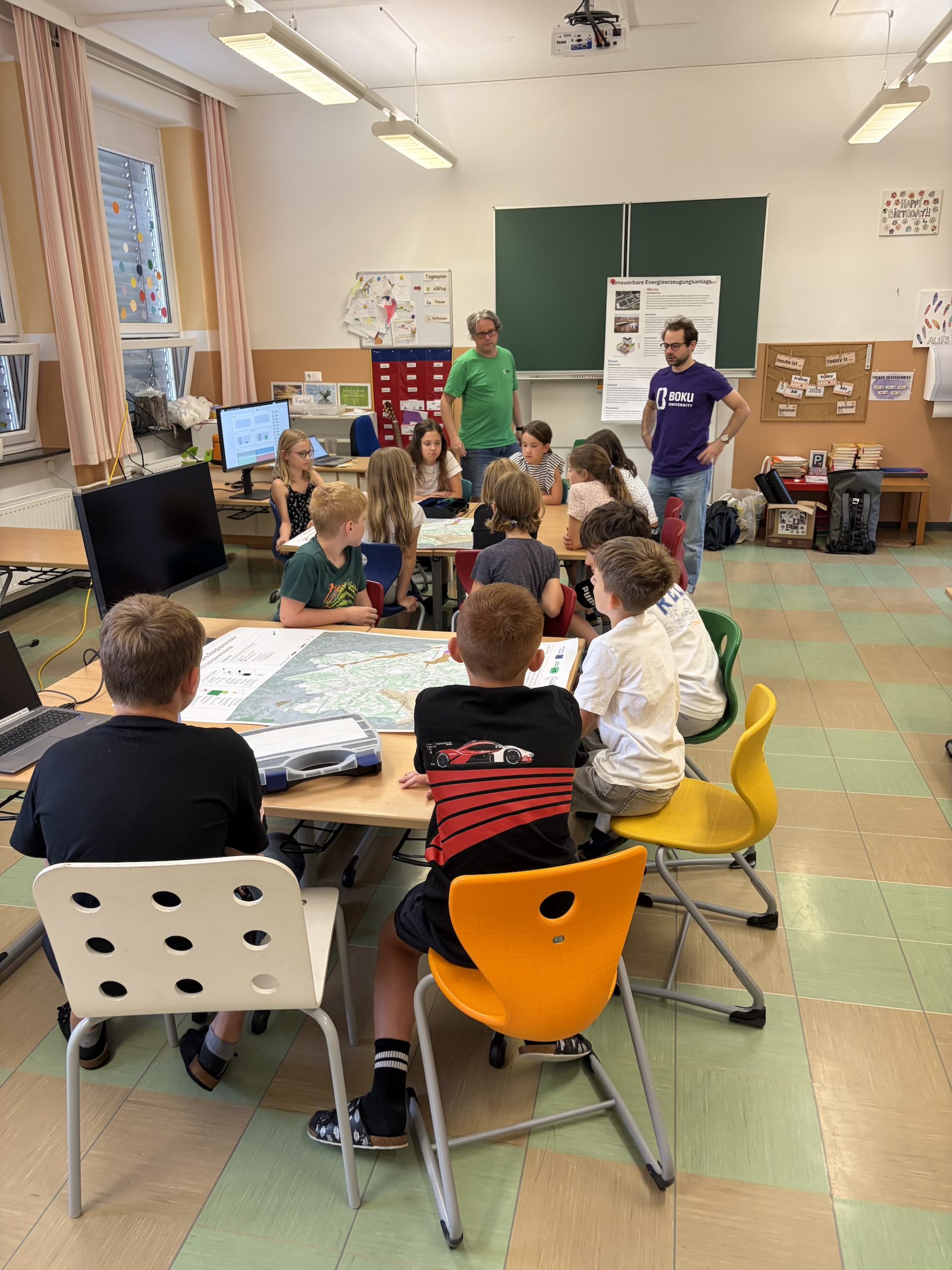
The Energy Transition Game empowers kids for a sustainable future – Workshops by BOKU & Austrian ECs schools
The "Energy Transition Game" transformed the elementary school in Ligist, Styria, into a renewable energy hotspot through workshops developed by BOKU University as part of Energy4all, focusing on knowledge transfer, raising awareness and community building among children, teachers and parents.
March 11 - 2026
The Human Cost of Net-Zero: Analyzing Stavanger’s Hillevåg PED Project
Stavanger’s Hillevåg Positive Energy District aims to produce a surplus of renewable energy while supporting climate-neutral urban living. However, the project also reveals socio-economic tensions between ambitious sustainability goals and local concerns about preservation and community impacts.
February 20 - 2026
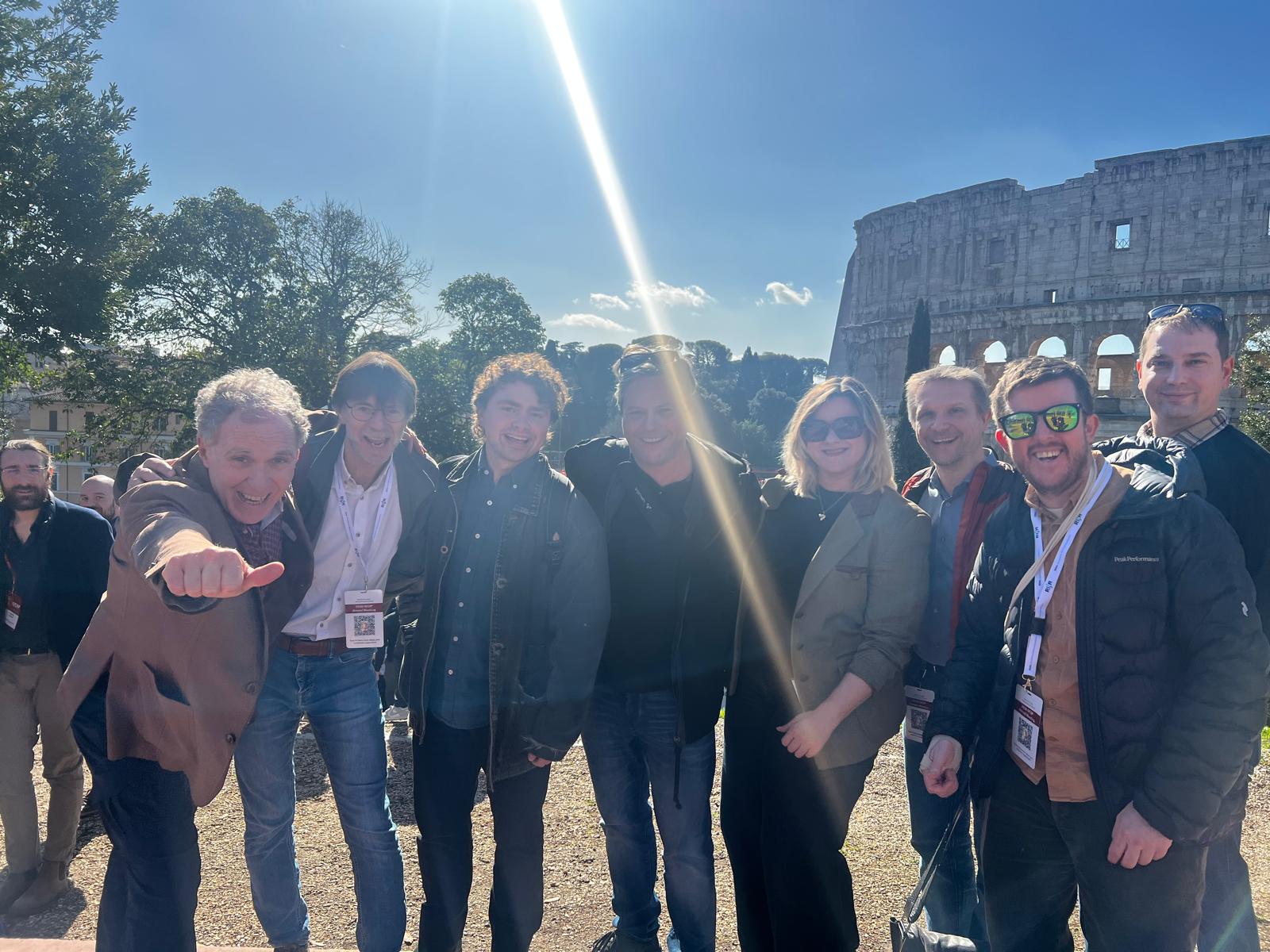
Key takeaways from the ENERGY4ALL consortium meeting in Rome
This year's consortium meeting in Rome was designed around participatory methodologies, including co-creation and gamification exercises, fostering an interactive and collaborative environment that encouraged collective reflection and forward-looking planning.
January 23 - 2026
Resource Analysis and Conceptual Planning of Co-Designed Interventions: Mid-Term Insights from Energy4All
The report offers a twofold contribution: a KPI-based evaluation framework and insights from the first co-design workshop held at Kazán on 23 April 2025.



Share on