The Energy Transition Game empowers kids for a sustainable future – Workshops by BOKU & Austrian ECs schools
July 22 - 2026
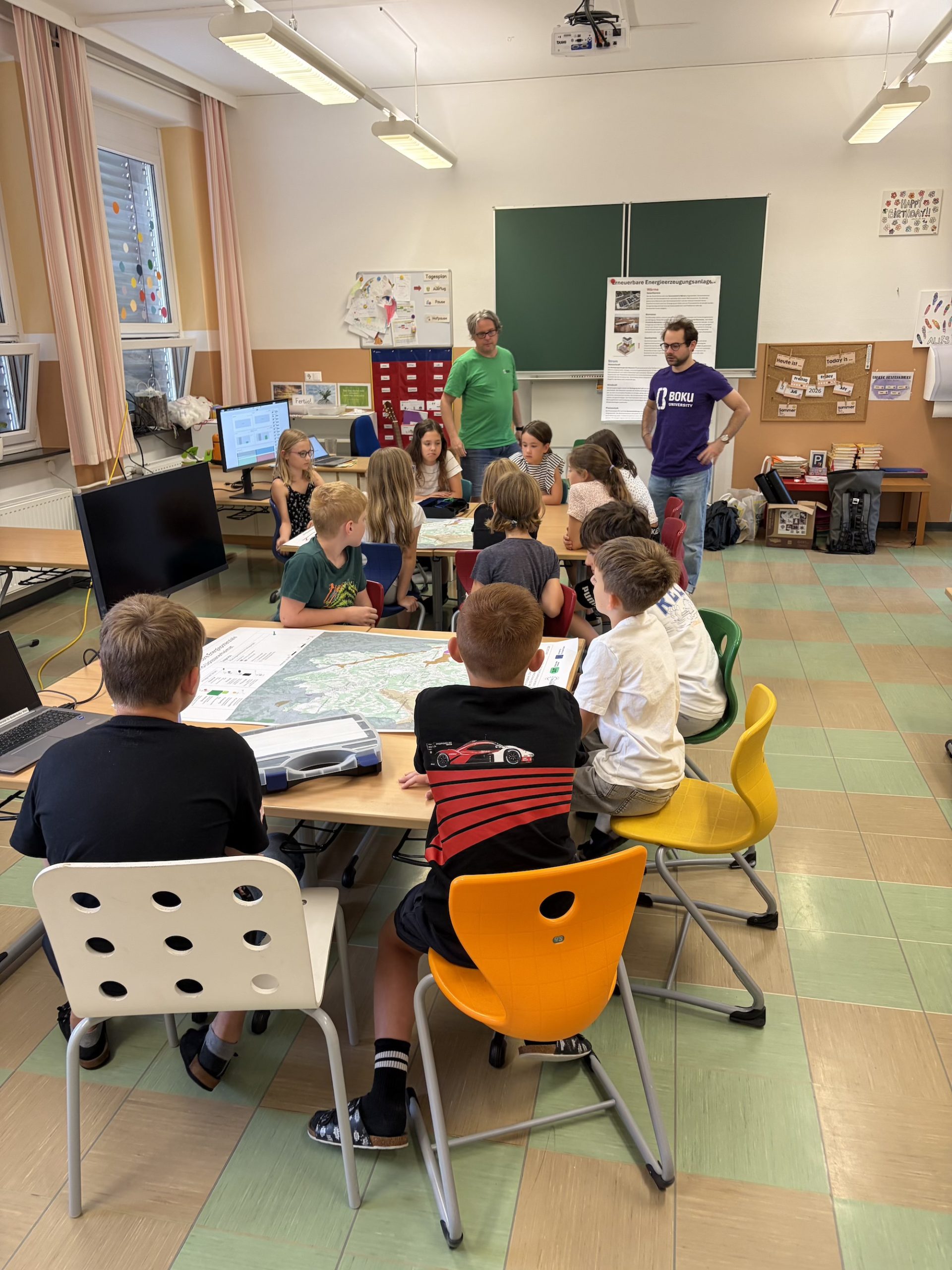
At the end of the school year, the “Energy Transition Game” transformed the elementary school in Ligist, Styria, into a renewable energy hotspot. Developed by BOKU University as part of Energy4all, the workshops focused on knowledge transfer, raising awareness, and community building, involving children, teachers, and parents. Forty-three kids turned into energy heroes, exploring various renewable sources of electricity and heat, gaining insight into the municipality’s energy needs, and investigating ways to meet those needs exclusively through renewables: solar thermal energy, biomass, geothermal energy, heat pumps, hydropower, wind power, and photovoltaics. The question was how, where, and in what combination these technologies could be deployed. A map of the municipality served as the game board, marking protected areas, settlement boundaries, and priority zones for wind and photovoltaics. Ligist is a municipality within the sphere of influence of the EEG-Verbund Lipizzanerheimat — one of Austria’s newly established energy communities (ECs) serving as an observation case for BOKU University.
Exploring renewable energies
The task involved strategically placing renewable energy facilities while taking into account land requirements and generation capacities. Monitors displayed the game’s progress and the balance between energy coverage and demand in real time, sparking enthusiastic participation. “We want to convey the complex interplay between energy demand and generation in a playful way and awaken the children’s curiosity about what is possible — meeting 100% of energy needs through renewables,” said Stefan Geier and Konstantin Lux of BOKU’s Institute of Spatial Planning, Environmental Planning and Land Consolidation, who led the workshops.
Energy communities as part of the energy transition
The energy community EEG Verbund Lipizzanerheimat organized the workshops and a prize draw featuring a quiz for parents, relatives, and neighbours on energy consumption, costs, and ways to share energy at home. By directing participants to the EC’s website, the message was clear: everyone can contribute to the energy transition by participating in an energy community. It enables the exchange of locally generated energy, saves money, and paves the way for a sustainable future worth living in for us all. Prizes included free memberships in the energy community as well as new perspectives:
“What you do makes a difference, and you have to decide what kind of difference you want to make.“
Dr Jane Goodall, ethologist
Photos: © EEG Verbund Lipizzanerheimat
See the other article
March 11 - 2026
The Human Cost of Net-Zero: Analyzing Stavanger’s Hillevåg PED Project
Stavanger’s Hillevåg Positive Energy District aims to produce a surplus of renewable energy while supporting climate-neutral urban living. However, the project also reveals socio-economic tensions between ambitious sustainability goals and local concerns about preservation and community impacts.
February 20 - 2026
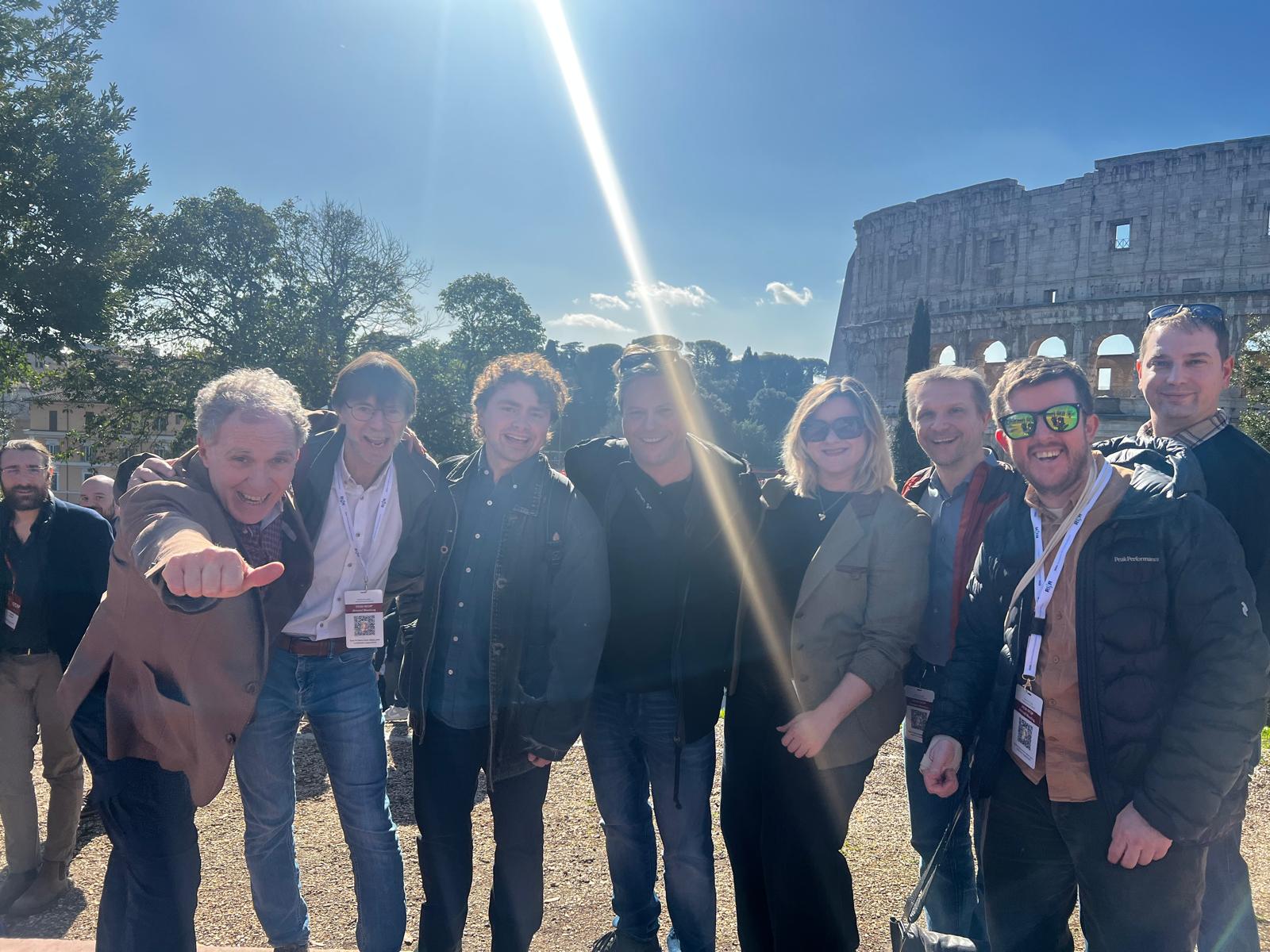
Key takeaways from the ENERGY4ALL consortium meeting in Rome
This year's consortium meeting in Rome was designed around participatory methodologies, including co-creation and gamification exercises, fostering an interactive and collaborative environment that encouraged collective reflection and forward-looking planning.
January 23 - 2026
Resource Analysis and Conceptual Planning of Co-Designed Interventions: Mid-Term Insights from Energy4All
The report offers a twofold contribution: a KPI-based evaluation framework and insights from the first co-design workshop held at Kazán on 23 April 2025.
January 23 - 2026
Transition Arenas — Systems Mapping Report
This report provides a structured, comparative analysis of how energy communities and related energy-sharing initiatives operate as complex systems shaped by interactions between social actors, technical infrastructures, economic incentives, and institutional frameworks.
December 2 - 2025
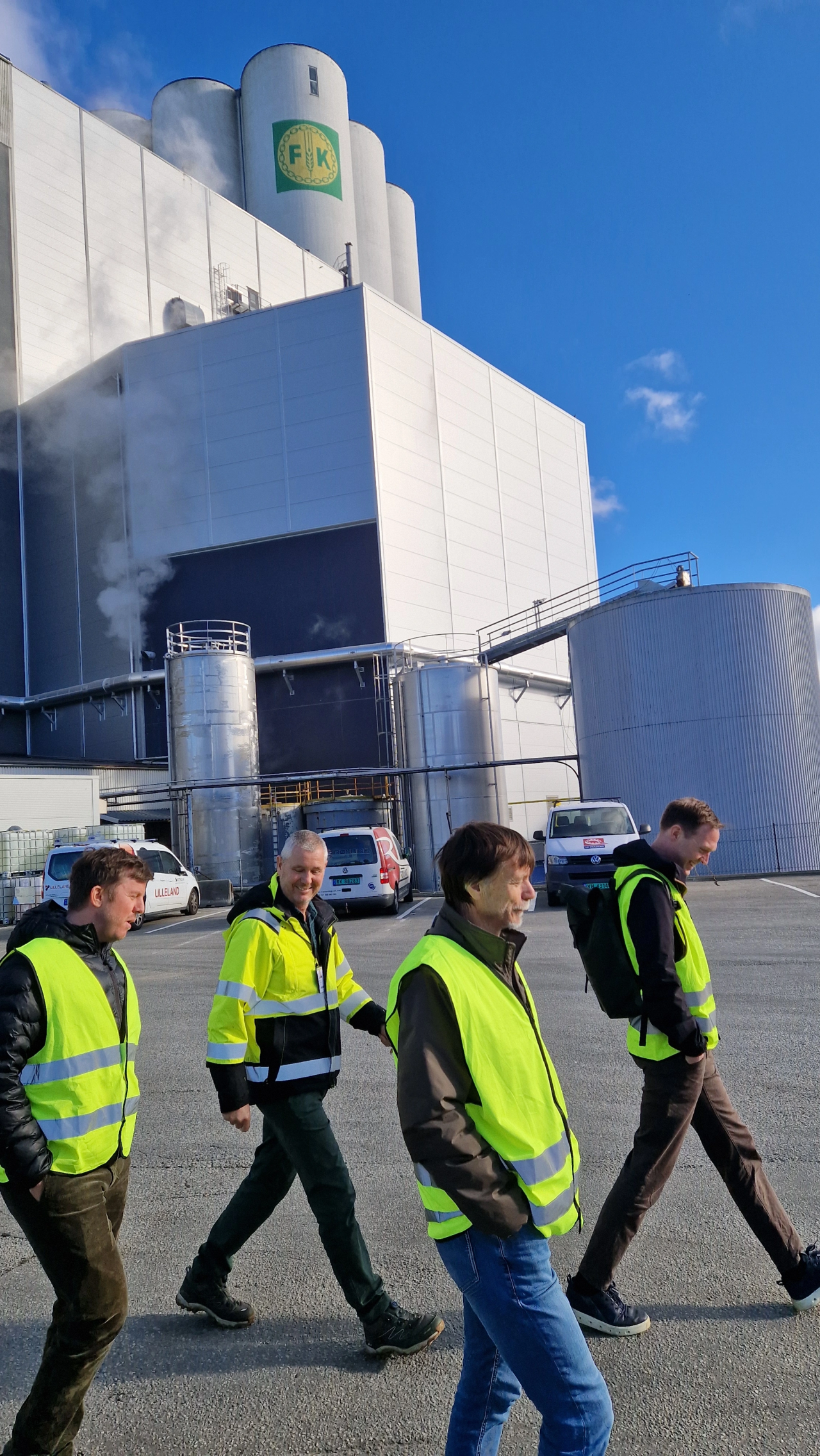
Drastic reduction in heavy industry carbon emissions at Felleskjøpet in Stavanger Municipality!
During a full-day seminar, Energ4all Norwegian partners received a guided tour of the massive new biomass plant at the Felleskjøpet factory. This site visit marked a major project milestone, highlighting how the 6 MWp facility—built with an investment of more than €10 million—now uses oat hulls to produce steam for feed manufacturing, achieving an approximate 90% reduction in carbon emissions since May 2025.
October 30 - 2025
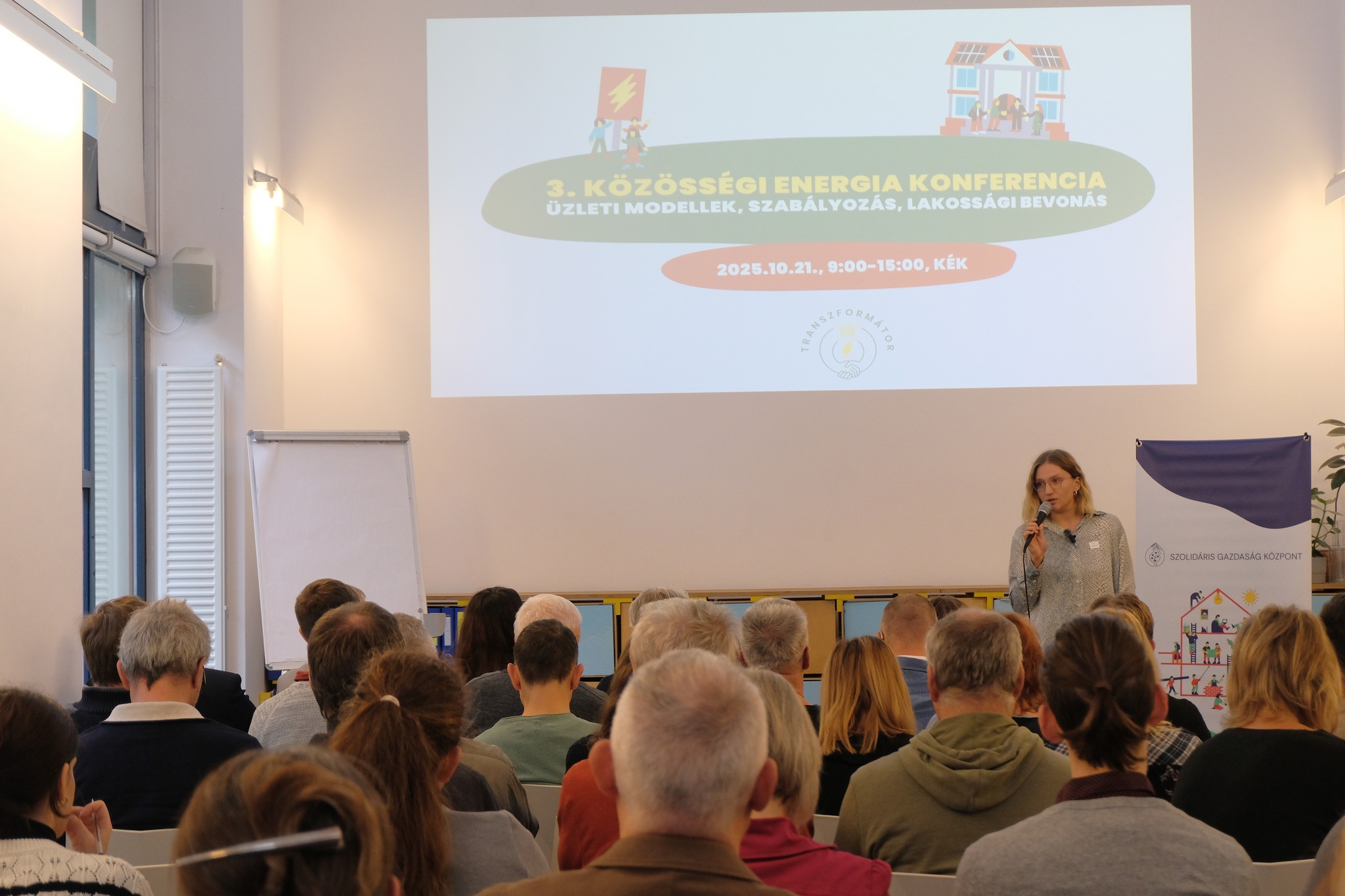
3rd Community Energy Conference – Business Models, Regulation, Citizen Participation
Hungary’s community energy movement is gaining momentum — and the 3rd Community Energy Conference in Budapest asked what it really takes to turn shared generation, fair regulation, and citizen participation into everyday reality.



Share on