Transition Arenas — Systems Mapping Report
January 23 - 2026
ENERGY4ALL | Work Package 2 | Report by ABUD, written by Rebeka Balázs and Viktor Bukovszki | 16 January 2025
What makes an energy community really work? How do energy communities and energy-sharing initiatives operate as complex systems? And what shapes their performance and transferability across Europe?
This report presents the results of the systems mapping activities carried out within the framework of the ENERGY4ALL project, focusing on the socio-technical systems underlying the pilot innovations. As part of Work Package 2, Deliverable 2.2 aims to provide a structured, comparative analysis of how energy communities and related energy-sharing initiatives operate as complex systems shaped by interactions between social actors, technical infrastructures, economic incentives, and institutional frameworks. By applying systems thinking methods, the report seeks to uncover the key elements, relationships, and dynamics that influence both the performance of the pilots and the transferability of their innovations to other contexts.
At the core of this deliverable is the assumption that energy communities cannot be understood through isolated technical or economic parameters alone. Instead, they function as socio-technical systems in which outcomes emerge from the interplay of stakeholder interests, governance arrangements, behavioral patterns, regulatory environments, and technological configurations. Systems mapping provides a methodological approach to capture this complexity in a structured way. It supports a shared understanding among project partners and stakeholders of “what matters” in each pilot, how different factors influence one another, and where potential leverage points for intervention or replication may lie.
From local experience to systems insight
The report builds primarily on qualitative data collected through Transition Arena (TA) workshops conducted at pilot level, complemented by structured questionnaires filled in by pilot teams and a subsequent review and synthesis process. These participatory methods were designed not only to collect information, but also to actively involve local stakeholders in reflecting on their own systems, thereby grounding the analysis in lived experience and contextual knowledge. Two closely connected analytical components structure the systems mapping work presented here: stakeholder mapping and causal loop diagramming.
Mapping the actors who shape each pilot
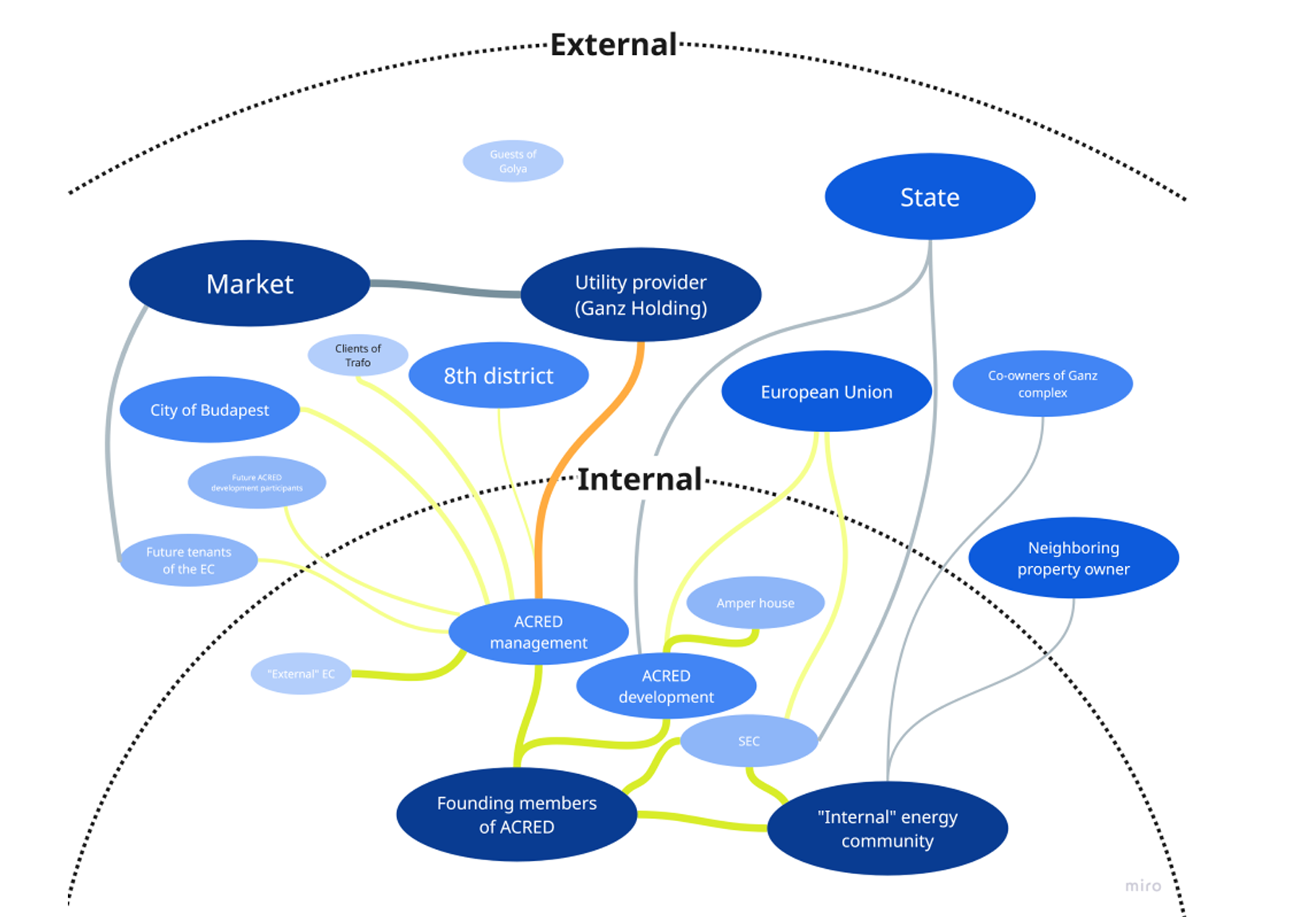
The first main part of the report focuses on stakeholder mapping. It documents how relevant actors were identified, categorized, and analyzed in each pilot with respect to their roles, interests, influence, expectations, and relationships. Stakeholder mapping is treated as a foundational step for systems analysis, defining the social boundaries of the system and identifying key drivers, enablers, and constraints. The report details the data collection process, the qualitative analytical strategy applied (including coding and review procedures) and presents pilot-level results that highlight similarities and differences in stakeholder configurations across national and institutional contexts.
Understanding the dynamics behind performance
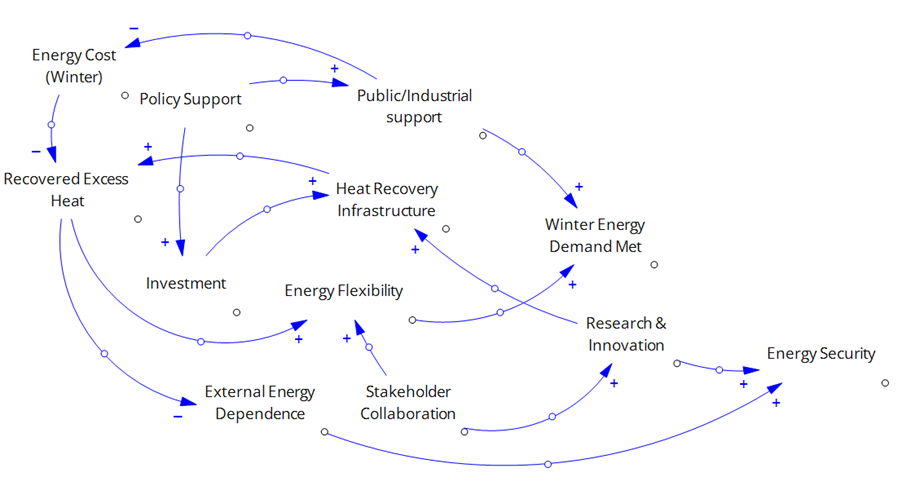
Building on this foundation, the second major part of the report introduces the use of Causal Loop Diagrams (CLDs) as a systems thinking tool to model dynamic interactions within each pilot. CLDs are used to visualize how variables identified by stakeholders are causally linked, to distinguish between drivers and outcomes, and to reveal reinforcing and balancing feedback loops. For each pilot case, the report presents and interprets the resulting CLDs, emphasizing how socio-technical dynamics shape energy-related outcomes such as participation, investment, energy demand, or system resilience.
From pilots to transferability
The final sections of the report provide a cross-case comparison of the systems mapping results, identifying recurring patterns, contextual specificities, and key insights relevant for transferability and upscaling. By synthesizing stakeholder structures and causal dynamics across pilots, the report contributes to a deeper understanding of energy communities as socio-technical systems and lays the groundwork for subsequent analytical and strategic tasks within the ENERGY4ALL project.
See the other article
March 11 - 2026
The Human Cost of Net-Zero: Analyzing Stavanger’s Hillevåg PED Project
Stavanger’s Hillevåg Positive Energy District aims to produce a surplus of renewable energy while supporting climate-neutral urban living. However, the project also reveals socio-economic tensions between ambitious sustainability goals and local concerns about preservation and community impacts.
February 20 - 2026
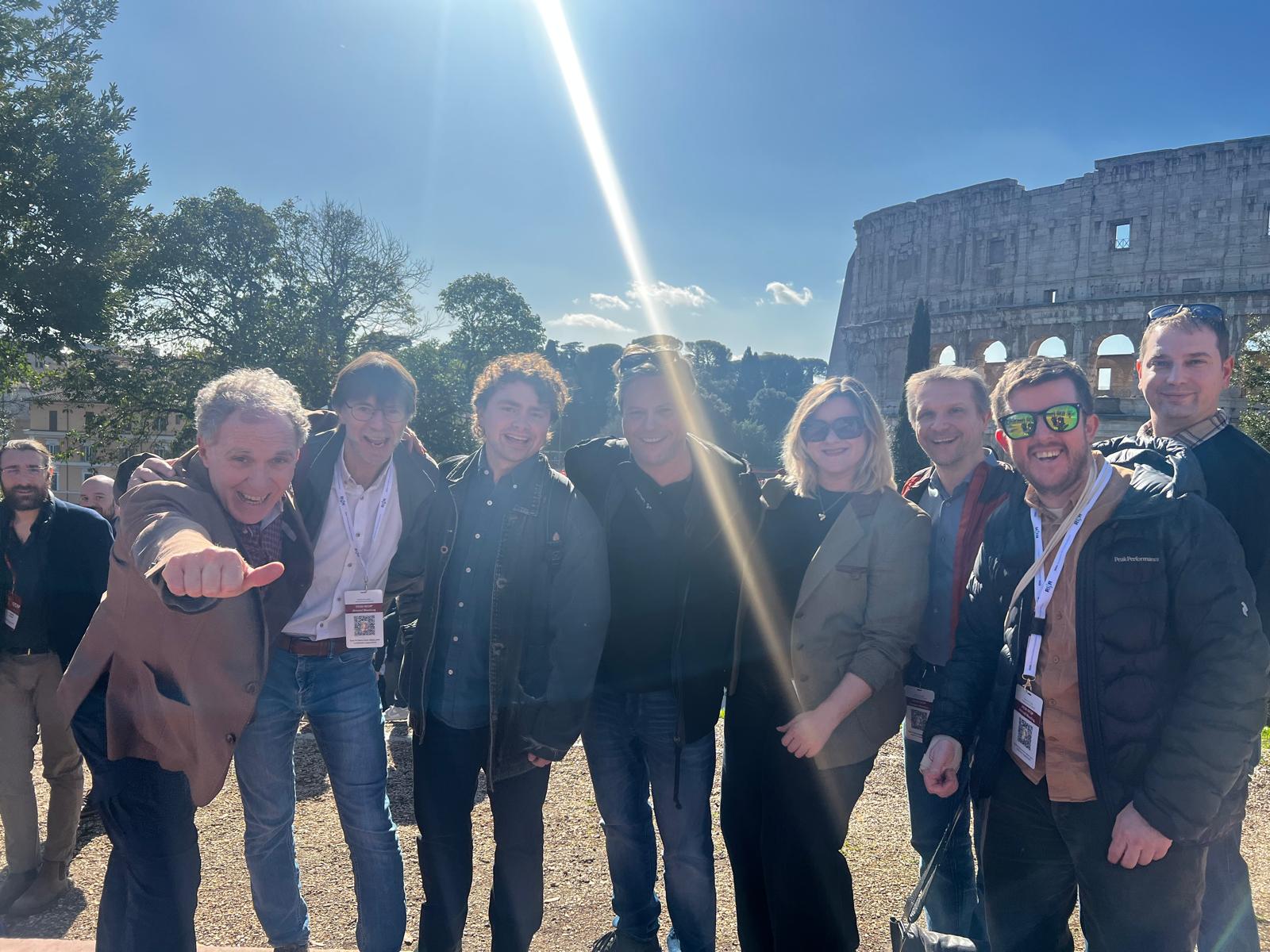
Key takeaways from the ENERGY4ALL consortium meeting in Rome
This year's consortium meeting in Rome was designed around participatory methodologies, including co-creation and gamification exercises, fostering an interactive and collaborative environment that encouraged collective reflection and forward-looking planning.
January 23 - 2026
Resource Analysis and Conceptual Planning of Co-Designed Interventions: Mid-Term Insights from Energy4All
The report offers a twofold contribution: a KPI-based evaluation framework and insights from the first co-design workshop held at Kazán on 23 April 2025.
December 2 - 2025
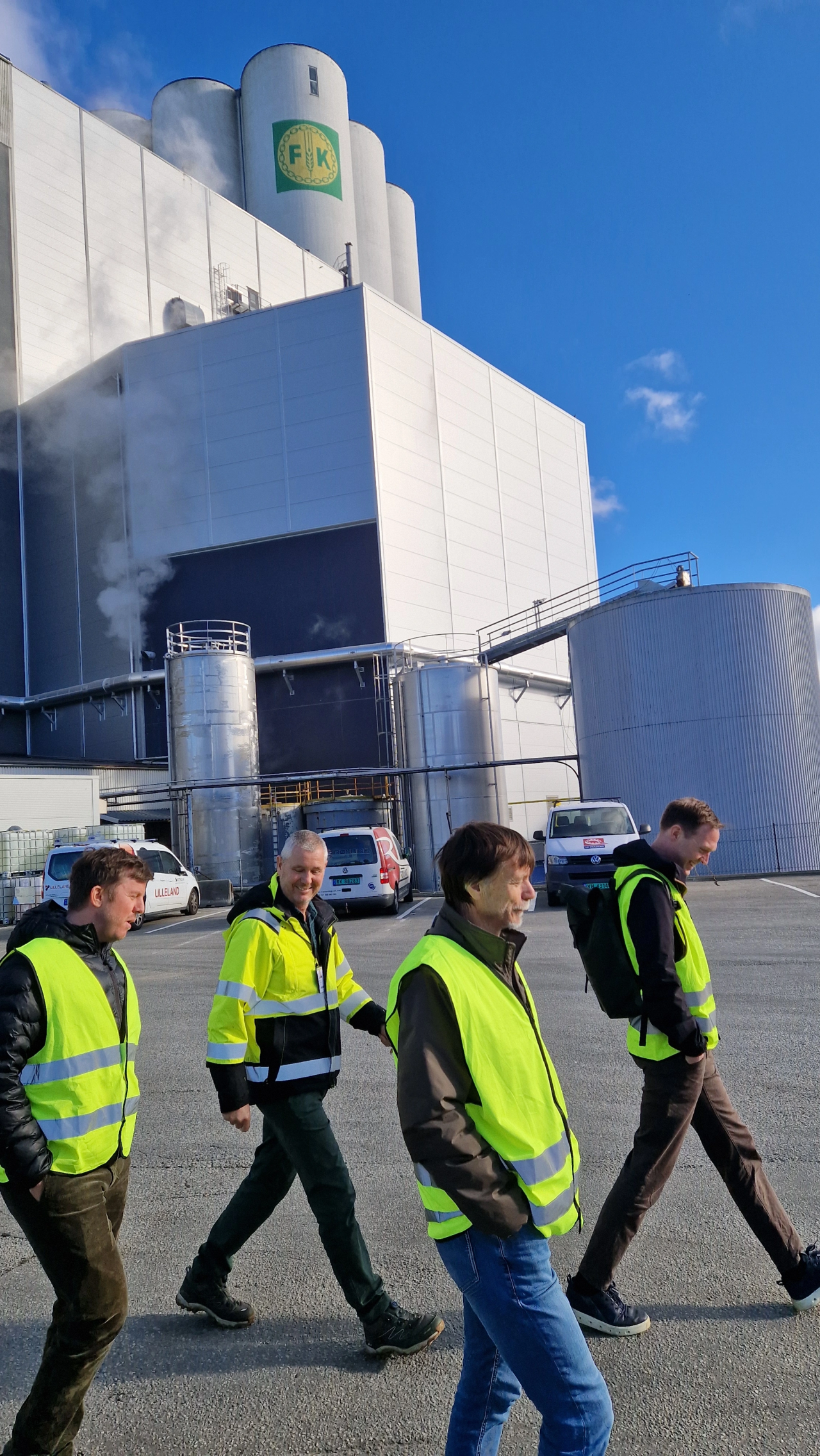
Drastic reduction in heavy industry carbon emissions at Felleskjøpet in Stavanger Municipality!
During a full-day seminar, Energ4all Norwegian partners received a guided tour of the massive new biomass plant at the Felleskjøpet factory. This site visit marked a major project milestone, highlighting how the 6 MWp facility—built with an investment of more than €10 million—now uses oat hulls to produce steam for feed manufacturing, achieving an approximate 90% reduction in carbon emissions since May 2025.
October 30 - 2025
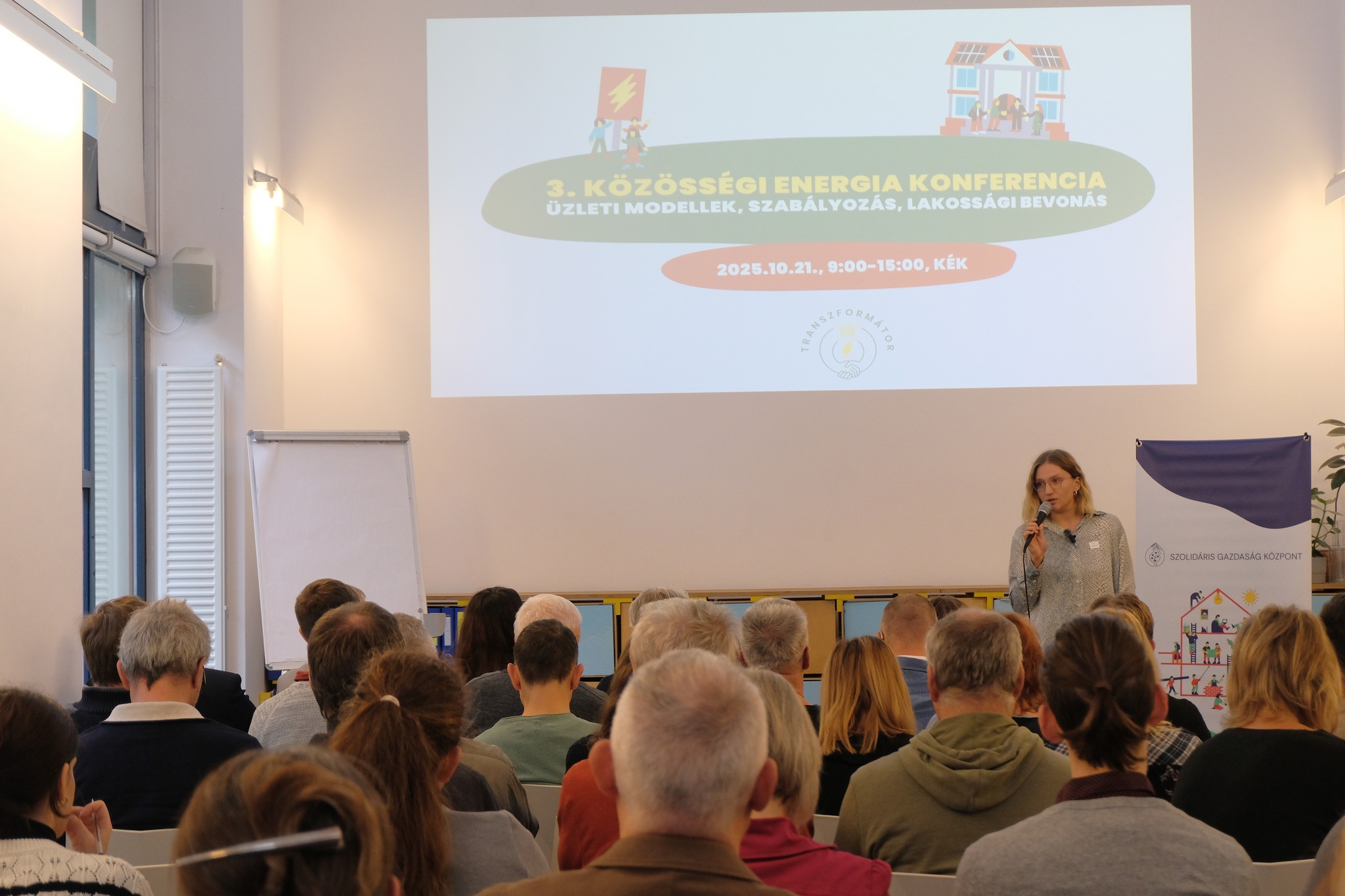
3rd Community Energy Conference – Business Models, Regulation, Citizen Participation
Hungary’s community energy movement is gaining momentum — and the 3rd Community Energy Conference in Budapest asked what it really takes to turn shared generation, fair regulation, and citizen participation into everyday reality.
September 18 - 2025
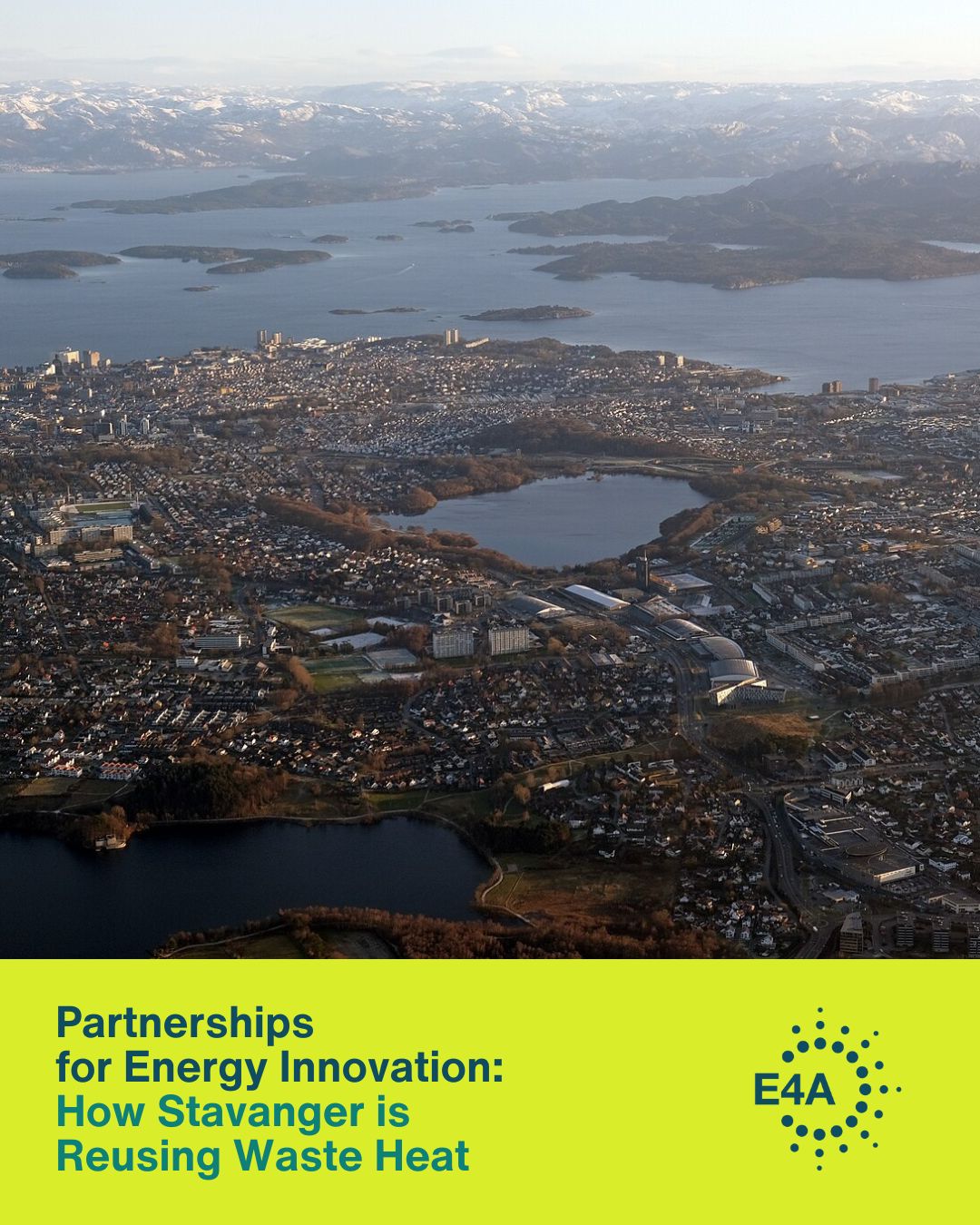
Partnerships for Energy Innovation: How Stavanger is Reusing Waste Heat
Stavanger’s Hillevåg district shows how reusing industrial waste heat could cut emissions, but faces regulatory, financial, and trust barriers.



Share on